Security is a priority for every business, but maintaining effective security systems requires more than simply installing locks or electronic access devices. Over time, facilities evolve, employees change roles, and new technologies emerge. These shifts can create hidden vulnerabilities in a company’s security infrastructure, especially if systems are not reviewed regularly.
For businesses in Fairfax, VA, where many organizations operate in competitive and highly regulated industries, protecting physical spaces and sensitive information is essential. Access control systems help companies manage who can enter specific areas of a building, but these systems are only effective when they are properly maintained and monitored.
An access control audit for Fairfax businesses rely on provides a detailed review of existing security systems, identifying weaknesses before they turn into serious problems. By examining how access points are managed and evaluating whether current systems align with company policies, an audit can reveal important opportunities to improve safety and efficiency.
Artie’s Lock And Key works with Fairfax businesses to conduct thorough security reviews that help organizations strengthen their access control strategies. Through professional security review services, companies gain valuable insight into how well their existing systems are performing and where improvements may be needed.
Understanding the Purpose of an Access Control Audit
An access control audit is a comprehensive evaluation of how a company manages entry and security throughout its facility. The process examines both the technology used to control access and the policies governing who is authorized to enter specific areas.
Many businesses install access control systems with the goal of restricting entry to sensitive spaces such as data rooms, financial departments, or inventory storage areas. However, as time passes, those systems may not be updated to reflect changes in personnel or operational structure. Employees may retain access privileges they no longer need, or outdated credentials may remain active long after someone has left the organization.
The importance of conducting an access control audit lies in identifying these inconsistencies. A professional review examines access permissions, evaluates physical entry points, and assesses whether the system is functioning as intended. This process helps ensure that security measures remain aligned with company policies and operational needs.
For Fairfax businesses that rely on compliance access systems, audits also serve an important regulatory function. Many industries require organizations to demonstrate that access to sensitive areas is controlled and monitored. An audit provides documentation that shows these controls are actively maintained.
Regular audits allow companies to maintain confidence in their security infrastructure while ensuring that policies remain effective as the organization grows.
Identifying Hidden Vulnerabilities in Business Security
Security vulnerabilities are not always obvious. In many cases, weaknesses develop gradually as systems age or operational changes occur. An access control audit helps uncover these hidden issues before they can be exploited.
One common vulnerability involves outdated access credentials. Employees who change roles within a company may retain permissions that allow entry into areas they no longer need to access. Similarly, former employees may still have active credentials if the system was not updated promptly after their departure.
Another issue involves physical access points that are overlooked during routine security checks. Secondary entrances, service doors, or storage room access points may not be monitored as carefully as main entrances. If these areas lack proper controls, they can create opportunities for unauthorized entry.
Technology itself can also present challenges. Older access control systems may not integrate with newer security technologies or may lack features that modern compliance standards require. Without regular evaluation, these limitations may go unnoticed.
Through professional security review services, Artie’s Lock And Key helps Fairfax businesses detect these vulnerabilities and implement practical solutions. By identifying risks early, companies can take corrective action before security issues escalate.
Strengthening Compliance with Modern Access Systems
Many businesses in Fairfax operate under regulatory frameworks that require strict security practices. Healthcare organizations must protect patient information, financial institutions must safeguard sensitive data, and government contractors often handle confidential materials.
Compliance access systems are designed to support these requirements by controlling entry and recording activity within secure areas. However, simply installing these systems does not guarantee ongoing compliance. Regular audits are necessary to verify that the systems continue to function properly and align with regulatory standards.
An access control audit examines how credentials are assigned, how access activity is logged, and whether records are maintained accurately. This information helps ensure that companies can demonstrate compliance during regulatory inspections or internal reviews.
For example, certain regulations require businesses to maintain records showing who accessed specific areas and when those entries occurred. If the access control system is not configured properly or if records are not being stored correctly, the organization may struggle to meet these requirements.
By reviewing system configurations and operational procedures, an audit helps businesses confirm that their security measures meet current compliance expectations. When necessary, adjustments can be made to improve recordkeeping, credential management, or system integration.
Artie’s Lock And Key assists Fairfax organizations in maintaining systems that not only protect their facilities but also support regulatory obligations.
Improving Operational Efficiency and Security Awareness
While the primary goal of an access control audit is to strengthen security, the process often produces additional benefits for businesses. Reviewing access policies and system performance can reveal opportunities to streamline operations and improve overall efficiency.
In some organizations, access permissions accumulate over time without clear oversight. Employees may gain additional access rights through temporary assignments or role changes, creating a complex network of permissions that is difficult to manage. An audit helps simplify this structure by aligning permissions with current job responsibilities.
Improved security awareness is another valuable outcome. When businesses conduct regular reviews of their access control systems, employees become more aware of security practices and the importance of protecting restricted areas. This awareness encourages greater accountability and reinforces company policies.
An audit may also identify opportunities to upgrade outdated technology. Modern access control systems often include features such as mobile credentials, remote management capabilities, and enhanced monitoring tools. Implementing these features can make it easier for businesses to manage access while maintaining strong security standards.
For Fairfax companies looking to improve both safety and efficiency, the insights gained from an access control audit can be extremely valuable.
Partnering with Experts for Ongoing Security Success
Conducting an effective access control audit requires technical expertise and a deep understanding of modern security systems. Businesses often benefit from working with experienced professionals who can evaluate both the physical and digital aspects of their security infrastructure.
Artie’s Lock And Key provides comprehensive security review services designed specifically for businesses in Fairfax. Their team works closely with clients to understand the unique needs of each facility, from small offices to larger commercial environments.
During an audit, technicians evaluate access points, credential management practices, and system performance. They also review how security policies are implemented across the organization. Based on these findings, they provide recommendations for strengthening protection and addressing any identified vulnerabilities.
This collaborative approach helps businesses create security systems that remain effective over time. As companies grow or adapt to new operational demands, ongoing evaluations ensure that access control systems continue to meet both security and compliance requirements.
For business leaders in Fairfax, the importance of conducting an access control audit cannot be overstated. Regular reviews provide clarity about how well security measures are functioning and highlight opportunities to improve protection.
By investing in periodic audits and working with trusted professionals, organizations can maintain strong security frameworks that support long-term success. With guidance from experienced providers like Artie’s Lock And Key, Fairfax businesses can confidently manage their access control systems while protecting the people, information, and assets that keep their operations running smoothly.
Businesses operating in regulated industries face a unique set of responsibilities when it comes to protecting their facilities, employees, and sensitive information. In areas like Fairfax, VA organizations must not only secure their physical spaces but also demonstrate that they are meeting specific regulatory requirements. From healthcare facilities and financial institutions to government contractors and data centers, compliance is often a critical part of daily operations.
Access control systems have become one of the most effective tools for managing these responsibilities. By controlling who can enter certain areas of a building and tracking access activity, modern systems help businesses maintain both security and accountability. For companies that must comply with strict regulations, these systems are often essential.
Understanding how compliance access solutions support regulatory requirements can help organizations avoid costly violations and strengthen overall security. Artie’s Lock And Key works with businesses throughout Fairfax to design and implement access control systems that align with regulatory expectations while maintaining operational efficiency.
Understanding the Importance of Compliance in Regulated Industries
Compliance requirements exist to protect sensitive information, maintain safety standards, and ensure responsible operations within industries that handle critical data or services. Businesses in sectors such as healthcare, finance, and government contracting often deal with confidential records, personal information, or controlled materials that must remain secure.
Regulatory frameworks may require companies to document who has access to certain areas, restrict entry to authorized personnel, and maintain records of entry activity. These requirements are not simply recommendations. Failure to meet compliance standards can result in serious consequences, including fines, legal liability, and damage to an organization’s reputation.
Physical security systems play a significant role in supporting these requirements. Access control technology allows businesses to monitor and manage building entry points with greater precision than traditional lock-and-key systems. Digital credentials, key cards, biometric systems, and electronic access logs all contribute to improved oversight.
Organizations seeking Fairfax compliance systems often look for solutions that combine security with clear documentation. The ability to demonstrate compliance during audits or regulatory reviews is just as important as the security measures themselves.
Despite understanding the importance of compliance, many organizations struggle with the practical aspects of implementing effective access control systems. One of the most common challenges is maintaining consistent control over who has access to specific areas of a facility.
In traditional lock-and-key environments, it can be difficult to track how many copies of a key exist or who may have received one over time. If an employee leaves the company or a key is lost, the entire lock system may need to be replaced to maintain security. This approach can quickly become expensive and inefficient.
Another challenge involves maintaining accurate records of access activity. Many regulatory standards require businesses to demonstrate that access to sensitive areas is carefully monitored. Without digital tracking, it becomes nearly impossible to provide reliable documentation during compliance reviews.
Organizations in regulated industries also face the challenge of balancing security with convenience. Employees need to move through their work environment efficiently while still adhering to strict access policies. Systems that are too restrictive can disrupt daily operations, while systems that are too loose may fail to meet compliance requirements.
Artie’s Lock And Key frequently works with Fairfax businesses that are looking to overcome these challenges by implementing modern access control technology. Their goal is to help companies build security systems that support compliance without creating unnecessary obstacles for employees.
How Access Control Systems Support Regulatory Requirements
Modern access control technology offers several advantages for organizations working to meet regulatory standards. Instead of relying on physical keys that can be copied or lost, electronic access systems allow businesses to assign unique credentials to each authorized individual.
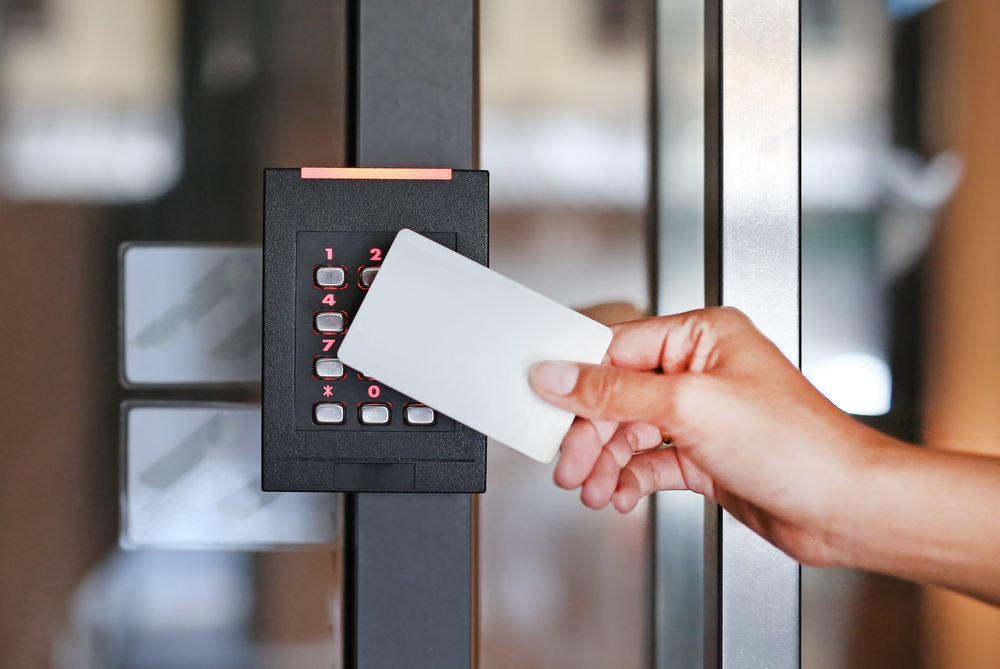
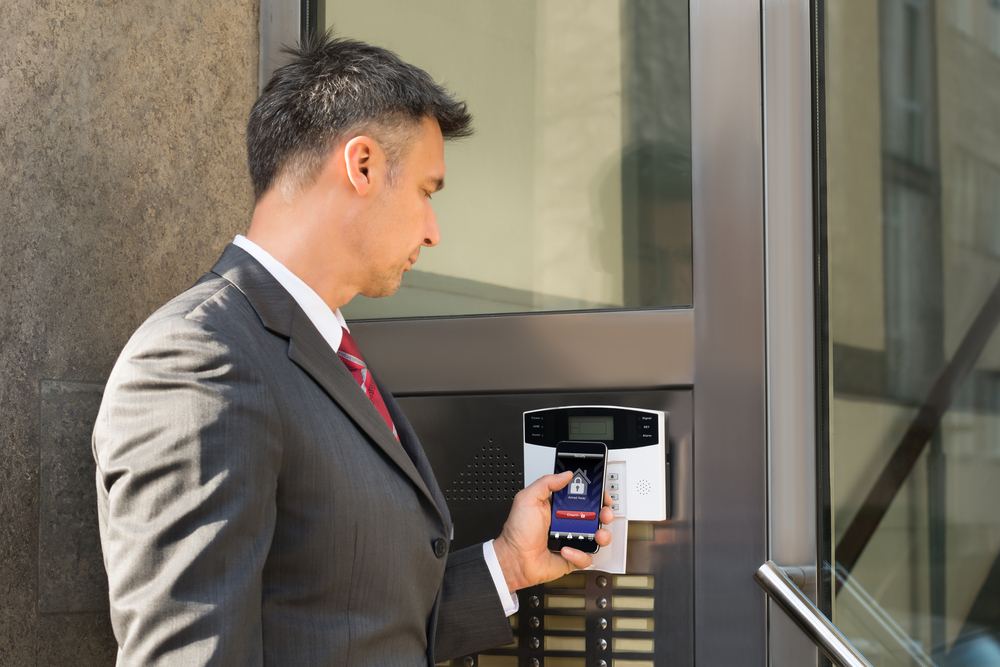
These credentials may take the form of key cards, key fobs, mobile access applications, or biometric identification. When someone uses their credential to enter a secured area, the system records the time, location, and identity associated with the entry. This information becomes part of a detailed activity log that can be reviewed at any time.
For businesses that must demonstrate compliance, these digital records provide valuable documentation. Access logs help confirm that only authorized personnel have entered restricted areas and that security policies are being followed consistently.
Another advantage of electronic systems is the ability to update permissions quickly. If an employee changes roles or leaves the organization, their access credentials can be modified or revoked immediately without replacing physical locks. This flexibility helps maintain security while reducing administrative effort.
Companies seeking compliance access solutions often find that modern access control systems offer both improved oversight and operational efficiency. By combining secure entry points with detailed monitoring capabilities, organizations can maintain stronger control over sensitive environments.
Designing Access Control Systems for Fairfax Businesses
Each regulated industry has its own set of security requirements, which means access control systems must be tailored to the specific needs of the organization. A healthcare facility handling patient records may have different compliance obligations than a financial institution managing confidential financial data.
Artie’s Lock And Key works closely with Fairfax businesses to design access control systems that address these unique requirements. The process begins with an evaluation of the facility’s layout, security needs, and regulatory obligations.
This evaluation often includes identifying areas that require restricted access, such as server rooms, medical records storage, executive offices, or research labs. Once these areas are identified, access policies can be established to ensure that only authorized individuals can enter.
Technology selection is another important aspect of the process. Some organizations benefit from key card systems that provide quick and convenient access, while others require more advanced solutions such as biometric authentication. In many cases, systems are integrated with existing security infrastructure, including surveillance cameras and alarm systems.
By designing systems that align with industry regulations, businesses can create environments that meet compliance standards while supporting daily operations.
Fairfax compliance systems must also remain adaptable as regulations evolve. Access control platforms that allow for system updates and expanded features ensure that businesses remain prepared for future compliance requirements.
Partnering with Experts Who Understand Compliance
Implementing access control technology is not simply about installing electronic locks. For businesses in regulated industries, the process involves understanding regulatory expectations, designing appropriate security policies, and ensuring that systems remain reliable over time.
Working with experienced security professionals can make this process significantly easier. A knowledgeable provider understands the common compliance concerns faced by local businesses and can recommend solutions that address both current and future needs.
Artie’s Lock And Key has developed a strong reputation among Fairfax businesses for delivering dependable access control solutions that support regulatory compliance. Their approach focuses on listening to each client’s concerns, evaluating security vulnerabilities, and implementing systems that provide both protection and accountability.
Businesses benefit from this expertise not only during installation but also as their operations grow. Access control systems often require updates, adjustments, or expansions as organizations evolve. Having a trusted security partner ensures that these changes can be managed without disrupting compliance efforts.
For companies operating in regulated industries, maintaining compliance is an ongoing responsibility. Access control technology plays a vital role in supporting that responsibility by creating clear, manageable security frameworks.
Organizations that invest in well-designed compliance access solutions position themselves for long-term success. By combining reliable technology with expert guidance, businesses can meet compliance standards with access control in Fairfax, VA, industries while protecting the people, data, and assets that matter most.
Keyless entry systems have moved from luxury features into everyday solutions that fit homes, offices, and rental properties. Instead of relying on a traditional key, these modern locks use codes, fobs, smartphones, or biometric scanning to manage access. Their popularity continues to grow because people want convenience, improved control, and security tools that integrate cleanly with a fast paced lifestyle. Understanding how these systems function provides a solid foundation for deciding whether they align with your needs.
A typical system operates through digital authentication. When a correct code or approved device is presented, the lock disengages electronically. Some versions store information locally, while others use cloud based systems that allow remote monitoring and updates. This distinction matters because every setup balances convenience and control in different ways. Since every home and business environment is unique, the best choice depends on evaluating how you interact with your property and what level of security oversight you prefer.
How Keyless Entry Systems Improve Everyday Convenience
People often turn to modern locks because they remove the hassle of carrying a physical key. Losing a key or being locked out becomes far less likely with digital access. If you have a family, employees, or guests who need short term access, you can issue temporary codes instead of cutting multiple keys. This also keeps you from changing locks if one key disappears.
Travel adds another layer of convenience. Many smart enabled locks allow you to check entry status, lock or unlock the door remotely, and receive notifications about who entered and when. This gives frequent travelers added peace of mind since they remain connected to their property. Some systems integrate with smart home ecosystems, allowing routines such as lights switching on when you unlock the door.
Convenience also extends to property managers and short term rental hosts. Instead of coordinating key exchanges, hosts can automate code generation and expiration. This saves time, prevents scheduling conflicts, and limits security risks that come with repeated manual key handoffs.
The Pros and Cons of Keyless Locks for Security
Security remains a core concern for anyone thinking about switching from a traditional key setup. The pros and cons of keyless locks depend on how each system is used and maintained.
On the positive side, keyless entry systems eliminate the vulnerabilities of a physical key that can be copied, stolen, or lost. Digital access logs help identify unusual activity, and remote access lets you respond quickly to concerns. Biometric and encrypted wireless options can also raise the overall security standard beyond what basic mechanical locks provide.
However, these advantages come with considerations. Digital systems require power, either through batteries or wired connections. If a battery dies without warning and you have not enabled backup methods, it could create an access challenge. Electronic components can also be affected by extreme weather depending on the model and installation quality. Another aspect involves cybersecurity. Although most reputable manufacturers use secure encryption, poorly configured networks or outdated software may weaken protection. Regular updates and good device hygiene reduce this risk.
Overall, the security performance of modern locks depends on upkeep, product quality, and the user’s willingness to stay current with software and maintenance guidelines. When these factors align, digital security can match or exceed the reliability of traditional locks.
When Modern Locks Make the Most Sense
New technology always brings questions about practicality. For some properties, keyless systems are ideal because they solve challenges that traditional locks cannot. Homes with active families benefit from easy access management, especially when children return home at different times. Aging homeowners may prefer not handling small metal keys, and biometric options remove the need to remember codes.
Businesses with rotating staff or contractors find great value in digital permissions. Instead of rekeying locks every time an employee leaves the company, administrators can simply revoke digital access. This reduces cost and risk while keeping entry records organized.
Short term rental hosts often consider keyless solutions essential. Automated check in reduces workload and eliminates late night key exchanges. Digital locks also lower liability risks since one code can serve one guest, then expire instantly.
Even for long term homeowners, keyless systems can provide a layer of confidence during vacations or busy seasons. Remote access helps you verify that doors are locked and allows trusted neighbors or maintenance workers inside without handing over a physical key that may never be returned.
How to Choose the Right System for Your Needs
Choosing between available keyless entry systems requires evaluating your environment and expectations. First, consider how you prefer authentication. Some users want numeric keypads, while others prioritize smartphone control. Biometric options appeal to people who want extremely fast access without carrying devices. Each method offers convenience, but each also introduces its own maintenance routines.
Next, review product durability and weather resistance. Exterior doors need locks that can endure temperature shifts, moisture, or dust. Selecting a model rated for outdoor use ensures long term stability. Interior locks can be more flexible and may focus on features rather than ruggedness.
Power management also deserves attention. Many battery powered locks offer alerts before the battery drains completely. Still, you should consider how often you are willing to replace batteries. Hardwired systems remove this concern but require professional installation and higher upfront costs.
Finally, think about integration with your current smart home ecosystem. If you already use connected devices, it may be helpful to select a lock that communicates with them smoothly. This can create routines that enhance convenience and security without extra effort.
Conclusion
Keyless entry systems continue to expand in popularity because they offer a flexible blend of convenience, control, and modern design. Understanding the pros and cons of keyless locks helps you decide whether the benefits align with your lifestyle. These modern locks can streamline daily routines, support remote access, and strengthen security when maintained properly. They are not perfect for every situation, but when selected and installed with care, they can significantly improve how you manage your home or business. By evaluating your habits, preferences, and property needs, you can determine whether a digital approach to access control is the right next step for you.
Need a Locksmith Near You?
We have been servicing the Greater Fairfax/DC area for over 40 years with services for residential, commercial, and automotive clients alike. We are proud to offer you the best locksmithing service in Fairfax, Arlington, Loudoun, Prince William counties, and the surrounding communities. Our professional locksmiths are here to handle any job. At Artie’s Lock and Key, we are fully equipped with the latest tools and professionally trained to handle locks of all kinds. Contact us to purchase a new lock, new car key or remote, rekey, or to schedule a job for repair or installation. The team at Artie’s Lock and Key can work on all your transponder keys, commercial locks, panic bars, and more. We are fully licensed, bonded, and insured. Contact us today to learn more about what we can do for you!
Ensuring the safety and security of your organization is always of the utmost importance. One of the most critical aspects of safeguarding your business is managing access to its premises, sensitive areas, and valuable resources. An outdated or inefficient access control system can put your organization at risk. Upgrading to a modern access control system provides enhanced security, improved operational efficiency, and a host of other benefits that will help protect your assets and ensure smooth business operations. Here are the top reasons why upgrading your business to a modern access control system is essential.
Enhanced Security and Protection
Modern access control systems offer a significantly higher level of security than traditional lock-and-key systems. The main advantage is that these systems often use advanced technologies such as biometric authentication, keycards, and mobile credentials, which are much more secure than conventional keys or combinations. Traditional lock-and-key methods can easily be bypassed by unauthorized personnel, and keys can be misplaced or copied, leading to potential security breaches.
In contrast, a modern system offers real-time tracking, so you can monitor who enters and exits your building, when, and for how long. Furthermore, these systems can be integrated with other security measures, such as surveillance cameras and alarm systems, to provide a comprehensive and cohesive approach to business access solutions. Modern systems also allow for remote management, enabling you to control access to your business premises from anywhere, ensuring a faster response time in case of an emergency.
Streamlined Operations and Increased Efficiency
A modern access control system does not only enhance security but can also significantly improve operational efficiency within your business. In traditional systems, managing and distributing physical keys can be a cumbersome process, especially in a large organization. A modern access control system eliminates this problem by offering centralized management, which makes it easier to track and control who has access to specific areas.
Additionally, modern systems allow you to set up customized access permissions for different employees or groups, granting access only to areas that are relevant to their job roles. This reduces the administrative burden and ensures that employees are not wasting time trying to locate keys or dealing with security-related issues. Moreover, the ability to track employee movement through access logs can help identify any inefficiencies, missed opportunities, or areas where operations can be optimized.
By automating certain tasks and simplifying the management of physical access, a modern security system can free up valuable time for managers and staff, allowing them to focus on other important aspects of business operations. This increased efficiency leads to smoother workflows and, ultimately, a more productive business environment.
Scalability and Flexibility
One of the key advantages of upgrading to a modern access control system is the scalability and flexibility it offers. As your business grows, so too will your security needs. A modern system can be easily scaled to accommodate new employees, additional locations, or expanded office space. With traditional access control systems, you may be faced with the challenge of re-keying locks or distributing new keys, a time-consuming and costly process that may disrupt operations.
With a modern system, you can simply add new users or modify access permissions through the software interface without the need for physical changes to the infrastructure. This makes it easier to adapt to business growth, whether you’re opening a new branch, adding staff members, or reorganizing internal operations. Moreover, modern access control systems can integrate with other business management tools, such as HR software, time and attendance systems, and building management systems, providing you with a unified platform for handling multiple aspects of your business.
Additionally, modern access control systems are designed with flexibility in mind, allowing you to choose the components that best suit your business’s unique needs. Whether you prefer biometric scanners, proximity cards, or mobile credentials, you can select the technology that aligns with your company’s goals and budget. This level of customization ensures that your security system is always in line with your business’s evolving requirements.
Cost-Effective Long-Term Investment
Although the initial cost of upgrading to a modern access control system may seem high, it is a cost-effective long-term investment that can save your business money in several ways. First, by eliminating the need for physical keys, lock replacements, and re-keying services, you can reduce ongoing maintenance costs associated with traditional access control methods. Modern systems also reduce the risk of theft, vandalism, or unauthorized access, minimizing the potential financial losses that could occur due to security breaches.
Moreover, modern access control systems often come with built-in features that reduce the need for additional security personnel. For example, automated access logs can eliminate the need for manual record-keeping, while integration with alarm and video surveillance systems means that fewer staff members need to monitor security in real time. This allows businesses to allocate resources more efficiently, directing them toward other areas that drive growth and profitability.
Additionally, a modern access control system can help you meet regulatory requirements and avoid potential fines or legal issues. Many industries, such as healthcare, finance, and education, are subject to strict security regulations, and failing to comply with these standards can result in costly penalties. By investing in a modern access control system, you ensure that your business stays compliant with industry-specific security protocols, helping you avoid expensive legal consequences.
Improved User Experience and Convenience
Lastly, a modern access control system enhances the overall user experience for both employees and visitors. Traditional key-based systems can be a hassle for employees who frequently forget or misplace their keys. On the other hand, modern systems such as mobile-based access or biometric authentication offer a seamless, touchless experience. Employees can use their smartphones, fingerprints, or facial recognition to gain access, making it easier and faster to enter restricted areas.
This improvement in user experience is especially beneficial for businesses with high employee turnover, as new employees can be granted access quickly without the need for physical keys or time-consuming paperwork. It also allows for greater flexibility in terms of access permissions, as employees can be granted or revoked access to specific areas in real-time, without any physical delays.
For visitors, modern access control systems can offer a more efficient check-in process. Many systems feature virtual visitor management platforms that allow guests to register online or through kiosks, reducing wait times and enhancing the visitor experience. Visitors can be granted temporary access credentials, ensuring that they only enter authorized areas and improving overall security.
Modern systems can also provide additional conveniences, such as integration with other building systems, like lighting, HVAC, and elevators, ensuring a fully optimized environment. As businesses increasingly prioritize employee well-being and productivity, the ability to automate and integrate building services with access control systems will become an important factor in enhancing both employee and visitor experiences.
Conclusion
Upgrading your business to a modern access control system provides a wide array of benefits that extend far beyond basic security. From enhanced protection and streamlined operations to scalability, cost savings, and improved user experience, the advantages are clear. With technological advancements paving the way for smarter and more efficient solutions, investing in a modern access control system is not just about protecting your business—it’s about improving how your organization operates and prepares for future growth. As your business evolves, ensuring you have the right security measures in place will be crucial in maintaining a safe, efficient, and productive environment. Embracing modern security systems is an investment in both the present and future success of your business.
Need a Locksmith in Fairfax, VA?
We have been servicing the Greater Fairfax/DC area for over 40 years with services for residential, commercial, and automotive clients alike. We are proud to offer you the best locksmithing service in Fairfax, Arlington, Loudoun, Prince William counties, and the surrounding communities. Our professional locksmiths are here to handle any job. At Artie’s Lock and Key, we are fully equipped with the latest tools and professionally trained to handle locks of all kinds. Contact us to purchase a new lock, new car key or remote, rekey, or to schedule a job for repair or installation. The team at Artie’s Lock and Key can work on all your transponder keys, commercial locks, panic bars, and more. We are fully licensed, bonded, and insured. Contact us today to learn more about what we can do for you!
As workplace security threats become more sophisticated, organizations must adopt measures that not only protect their physical assets but also ensure the well-being of their employees. One such measure that has proven to be indispensable is the implementation of access control systems. These systems provide businesses with a strategic way to safeguard their premises, limit unauthorized access, and ultimately create a safer work environment. In this blog post, we will explore how access control systems enhance employee safety in the workplace, examining their functionalities, benefits, and overall importance in modern business operations.
Understanding Access Control Systems
Access control systems are security mechanisms designed to regulate who can enter or exit a building or specific areas within it. These systems work by using various technologies, such as keycards, biometric scanners, PIN codes, and even mobile apps, to authenticate employees or visitors before granting them access to restricted areas. The idea behind access control is simple: to ensure that only authorized individuals can enter certain areas, thereby preventing unauthorized access that could lead to safety and security risks.
In the context of employee safety, these systems are a critical line of defense against potential threats. By restricting access to sensitive or high-risk areas, businesses can mitigate the risk of workplace violence, theft, and other safety-related incidents. Furthermore, modern access control systems are not just about locking doors; they often come with advanced features such as real-time monitoring, audit trails, and integration with other security systems, providing businesses with a comprehensive solution for enhancing employee safety.
Reducing the Risk of Unauthorized Access
One of the most significant ways that access control systems enhance employee safety is by reducing the risk of unauthorized access to the workplace. Whether it’s an intruder attempting to enter the building or a former employee seeking to gain entry after their access has been revoked, unauthorized access poses a severe threat to the safety and security of employees.
With an access control system in place, businesses can ensure that only authorized personnel can enter the premises. This is particularly important for companies operating in high-security industries, such as healthcare, finance, and manufacturing, where unauthorized access could result in significant harm. By limiting access to specific areas, companies can prevent unauthorized individuals from entering spaces that may contain sensitive data, valuable equipment, or hazardous materials.
Moreover, modern access control systems offer features that can prevent access from being easily bypassed. For example, biometric authentication, such as fingerprint or retina scanning, provides a higher level of security compared to traditional methods like keycards or PIN codes, which can be lost, stolen, or shared. By implementing such advanced security measures, businesses can significantly reduce the likelihood of unauthorized access and protect their employees from potential danger.
Enhancing Emergency Response Capabilities
In the event of an emergency, such as a fire, natural disaster, or active shooter situation, having an access control system can dramatically enhance an organization’s ability to respond quickly and efficiently. Many access control systems are equipped with features that allow for the rapid lockdown of certain areas, restricting movement and protecting employees from potential threats.
For instance, during a lockdown situation, an access control system can prevent unauthorized individuals from entering secure areas, such as break rooms or conference rooms, where employees may be seeking refuge. Simultaneously, the system can also enable the secure and controlled exit of employees from danger zones, ensuring that only authorized personnel can leave or enter certain parts of the building.
Furthermore, access control systems can be integrated with alarm and notification systems, allowing security personnel and first responders to quickly identify the location of individuals inside the building. This can be crucial in emergency situations where time is of the essence, as it ensures that help can be directed to the areas with the most people in need of assistance.
Tracking Employee Movement and Creating Audit Trails
Another key benefit of access control systems is their ability to track and monitor employee movement within the workplace. This feature not only enhances security but also helps improve overall workplace safety. By keeping a record of who enters and exits specific areas at any given time, businesses can ensure that employees are following safety protocols, particularly in high-risk zones like laboratories, warehouses, or construction sites.
In the event of an accident or safety violation, access control systems can provide a detailed audit trail that helps investigators determine what happened and how the situation unfolded. This information can be invaluable in identifying root causes and preventing similar incidents from occurring in the future. For example, if an employee is injured while working in a restricted area, the audit trail can reveal whether they had proper access authorization or if they had entered the area without proper clearance.
Additionally, tracking employee movement can also help in managing emergency evacuations. In the event of an evacuation, having a detailed log of who is inside the building can ensure that no one is left behind. This can save valuable time and resources, helping to safeguard the lives of employees in critical situations.
Encouraging a Culture of Safety and Responsibility
Access control systems also play a role in fostering a culture of safety and responsibility within the workplace. By requiring employees to use access cards, biometric identification, or other forms of authentication, businesses are signaling that security is a top priority. This helps to raise awareness among employees about the importance of workplace safety and the need to follow security protocols.
Moreover, access control systems can be used to enforce safety policies by limiting access to certain areas based on an employee’s role or department. For example, employees who are not authorized to work in a hazardous materials area will be denied entry, reducing the risk of accidents. This not only protects employees from potential harm but also helps ensure that safety procedures are being followed at all times.
In addition, businesses can use access control systems to track compliance with safety regulations. For example, in industries like construction or healthcare, certain employees may need to undergo regular safety training or certification to be granted access to specific areas. By integrating access control with training and certification records, businesses can ensure that only qualified employees are allowed to enter high-risk zones, further enhancing overall workplace safety.
Conclusion
In an era where workplace safety is of utmost importance, access control systems offer a powerful solution for businesses looking to protect their employees and assets. By restricting unauthorized access, enhancing emergency response capabilities, tracking employee movement, and encouraging a culture of safety, these systems play a critical role in fostering a secure and healthy work environment. As workplace security threats continue to evolve, investing in robust access control systems is not just a smart business decision; it is an essential step in ensuring the safety and well-being of employees. By leveraging technology to control access, businesses can create a safer and more secure workplace, ultimately enhancing both employee safety and organizational success.
Need a Locksmith in Fairfax, VA?
We have been servicing the Greater Fairfax/DC area for over 40 years with services for residential, commercial, and automotive clients alike. We are proud to offer you the best locksmithing service in Fairfax, Arlington, Loudoun, Prince William counties, and the surrounding communities. Our professional locksmiths are here to handle any job. At Artie’s Lock and Key, we are fully equipped with the latest tools and professionally trained to handle locks of all kinds. Contact us to purchase a new lock, new car key or remote, rekey, or to schedule a job for repair or installation. The team at Artie’s Lock and Key can work on all your transponder keys, commercial locks, panic bars, and more. We are fully licensed, bonded, and insured. Contact us today to learn more about what we can do for you!