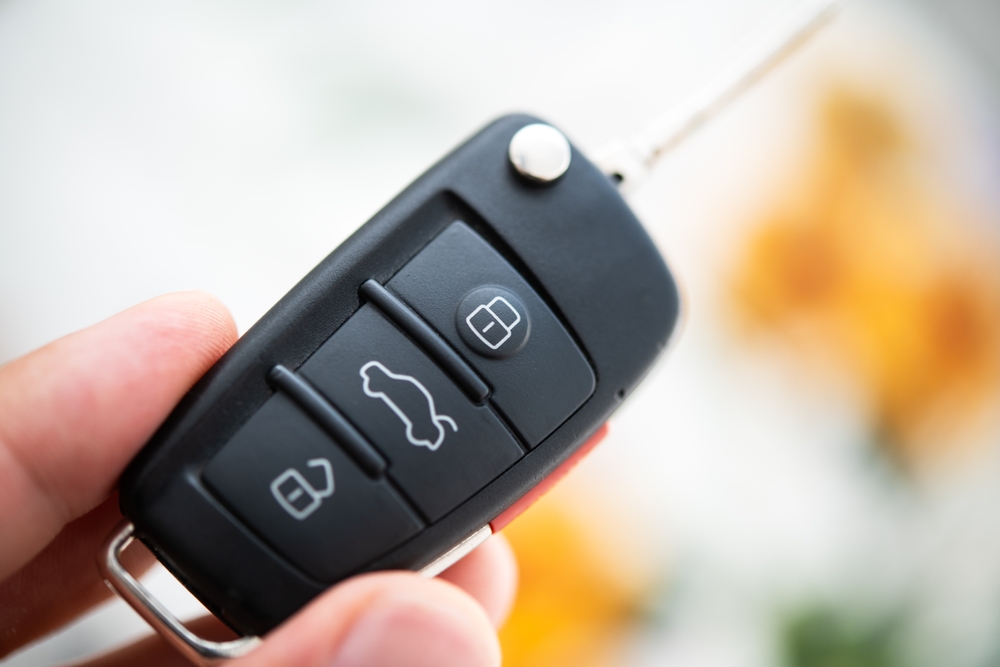
A key fob that suddenly stops working can turn a normal trip along Route 50, a commute toward I-66, or an errand near Old Town Fairfax into an unexpected problem. Sometimes the solution is as simple as replacing a battery, but other malfunctions involve programming, internal electronics, or the vehicle itself.
Quick answer: A malfunctioning key fob may be caused by a weak battery, damaged buttons, lost programming, electronic interference, internal circuit damage, or a problem with the vehicle’s receiver. Fairfax drivers can safely check the battery and try a spare fob, but persistent problems may require professional testing, programming, repair, or replacement.
What local drivers should know
A weak key fob battery is one of the simplest problems to check before assuming the entire fob needs replacement.
Summer heat inside parked vehicles around Fairfax County can be hard on batteries and electronic components over time.
If a spare key fob works normally, the problem is more likely related to the original fob than the vehicle.
A fob that unlocks doors but will not start the vehicle may have a different problem than one that is completely unresponsive.
Drivers around busy commercial areas such as Fair Oaks should avoid waiting until the last working key fails before addressing intermittent problems.
Why Do Key Fob Problems Matter for Fairfax Drivers?
Key fob problems matter for Fairfax drivers because a minor electronic issue can quickly become a lockout, starting problem, or major disruption to a daily commute. With residents regularly traveling between Fairfax, Vienna, Burke, George Mason University, and other parts of Northern Virginia, reliable vehicle access is easy to take for granted until the fob stops responding.
Modern vehicle keys can perform several functions. Depending on the vehicle, the fob may control door locks, the trunk, panic functions, remote start, or authorization for a push-button ignition.
That means a malfunction does not always look the same. One button may fail while everything else works. The remote range may become unusually short. In other situations, the vehicle may stop recognizing the key altogether.
Artie’s Lock And Key helps local drivers address automotive lock and key problems. When a fob issue goes beyond a straightforward battery check, we can help determine the appropriate next step without assuming every malfunction requires the same solution.
What Do We Commonly See With Key Fob Malfunctions?
Key fob malfunctions commonly appear as intermittent response, reduced range, failed buttons, or a vehicle that no longer recognizes the key correctly. These are practical field observations rather than a claim based on published Fairfax-specific failure statistics, since key fob problems vary considerably by vehicle make, model, age, and key system.
Intermittent operation deserves attention because it can be an early warning. A driver may press the unlock button several times before it works, need to stand closer to the vehicle, or notice that one function responds while another does not.
Local driving patterns can also make these problems inconvenient. A fob failure at home is frustrating, but a failure in a parking area near George Mason University, Fair Oaks, or a busy Northern Virginia commuter corridor can create a much larger disruption.
What Are the Warning Signs of a Failing Key Fob?
The clearest warning signs of a failing key fob are inconsistent operation, shorter range, unresponsive buttons, and difficulty getting the vehicle to recognize the key. Catching these symptoms early gives Fairfax vehicle owners more time to investigate the problem before they are left without reliable access.
Watch for:
The doors unlock only after several button presses.
The fob works only when you stand very close to the vehicle.
One button works while another consistently fails.
The vehicle displays a message indicating that the key is not detected.
Push-button starting becomes inconsistent even when the fob is inside the vehicle.
The fob works after changing its position or tapping the housing.
A spare fob works normally while the primary fob does not.
The fob stops working after being dropped, crushed, or exposed to moisture.
When Should You Call a Professional for a Key Fob Problem?
You should call a professional when a fresh battery does not restore normal operation, the vehicle no longer recognizes the key, the fob is physically damaged, or you need programming or replacement. Fairfax drivers should also consider service before an unreliable fob becomes their only nonworking key.
A battery replacement is generally a reasonable first check when the fob is still intact. You can also compare its behavior with a spare key if one is available.
DIY troubleshooting should stop when it involves opening or altering sensitive electronics beyond a basic battery change, guessing at programming procedures, or repeatedly attempting fixes without knowing whether the problem is in the key or vehicle.
What Commonly Causes Key Fobs to Stop Working?
Key fobs commonly stop working because of battery failure, physical damage, moisture, internal electronic faults, programming issues, or communication problems between the fob and vehicle. In Fairfax, everyday commuting, temperature exposure, and repeated handling can all contribute to normal wear.
Weak or dead battery: Reduced range or intermittent operation can be an early clue that the small battery inside the fob is losing power.
Worn buttons: Frequently used lock and unlock buttons can wear over time, especially on keys carried and used every day.
Drops and impacts: A key ring that falls onto pavement or a hard garage floor can damage the housing or internal components.
Moisture exposure: Water can damage electronic components inside a fob, even when the exterior looks relatively normal.
Programming or synchronization issues: In some situations, the vehicle may no longer communicate with the key as expected.
Vehicle-side issues: If multiple known-working fobs fail in the same way, the issue may not be the fob itself and could require further vehicle diagnosis.
How Can Fairfax Drivers Help Prevent Key Fob Trouble?
Fairfax drivers can reduce key fob trouble by replacing weak batteries promptly, protecting fobs from heat and moisture, keeping a functional spare, and responding to intermittent problems early. Basic preventive habits are especially useful for commuters who depend on the same vehicle every day.
Avoid leaving a key fob in direct sunlight or an extremely hot parked vehicle when possible. Northern Virginia summers can make vehicle interiors significantly hotter than outdoor conditions.
Keep the fob away from liquids, avoid overloading the key ring with unnecessary weight, and inspect the housing if the key has been dropped.
Most importantly, test your spare periodically. Discovering that both keys have problems on a busy morning is much less convenient than identifying an issue while one key still works reliably.
What Results Can You Expect From Key Fob Service?
The expected result of key fob service is a clear determination of whether the issue can be addressed through a battery, repair, programming, replacement, or additional vehicle diagnosis. The exact solution depends on the vehicle and the type of key system, so not every malfunction should be treated as a simple replacement job.
A professional can help narrow down whether the fob itself is the likely source of the problem. If replacement or programming is appropriate for the vehicle, the goal is to restore dependable access and key recognition.
What Key Fob Mistakes Should Car Owners Avoid?
The biggest key fob mistakes are ignoring intermittent symptoms, assuming every failure is a dead battery, and waiting until the only working key stops functioning. For Fairfax County drivers who rely heavily on their vehicles, addressing an unreliable key earlier can prevent unnecessary disruption.
Mistake: Repeatedly pressing a failing button for weeks. Consequence: The underlying issue remains unresolved and may eventually leave the fob unusable. Better approach: Investigate changing behavior before complete failure.
Mistake: Assuming a new battery fixes every fob. Consequence: Physical, electronic, or programming problems can remain. Better approach: Seek further diagnosis if a correct fresh battery does not restore operation.
Mistake: Ignoring the spare key. Consequence: You may discover too late that the backup also needs attention. Better approach: Test both keys periodically.
What Is a Common Key Fob Scenario in Fairfax?
A common local scenario is a commuter noticing that the key fob works inconsistently for several days before eventually becoming unreliable at an inconvenient location. This is an illustrative scenario, not a specific Artie’s Lock And Key customer case or documented service call.
For example, a driver living near Old Town Fairfax may notice that unlocking the car requires two or three button presses. The problem seems minor, so the driver continues commuting toward Tysons or another part of Northern Virginia.
Eventually, the fob stops responding consistently in a parking lot. Checking the battery and comparing the fob with a spare can help narrow down the issue. If those steps do not solve it, professional service is the practical next move.
Which Services Can Solve a Key Fob Problem?
Key fob problems may require battery-related troubleshooting, key fob programming, key replacement, or automotive locksmith service depending on the cause and vehicle. The correct service starts with identifying whether the problem involves the remote, the key’s electronic recognition, physical damage, or another part of the vehicle’s access system.
If your key is unreliable, addressing it while you still have access to the vehicle can make the situation easier to manage.
Should You Troubleshoot the Key Fob Yourself or Call a Professional?
DIY troubleshooting is appropriate for simple checks, while professional service is better for persistent malfunctions, programming needs, damaged electronics, or replacement keys. Fairfax drivers can start by inspecting the fob, checking the battery, and testing a spare before deciding whether specialized help is needed.
A simple battery change is inexpensive and low risk when performed correctly. Continuing to disassemble electronics, attempting unsupported programming methods, or purchasing an unknown replacement can create additional uncertainty.
Professional help is particularly useful when you need to know whether a replacement key is compatible with your specific vehicle.
Where Do We Serve Local Drivers?
We serve drivers in Fairfax and can assist customers seeking automotive locksmith solutions in the surrounding service area. Residents from nearby Northern Virginia communities such as Vienna and Burke may also contact us regarding service availability in their location.
Because service coverage can vary, confirm availability for your specific address when requesting assistance.
What Can Happen If You Ignore a Failing Key Fob?
Ignoring a failing key fob can turn an intermittent inconvenience into lost vehicle access or a starting problem at an inconvenient time. For someone commuting through Fairfax County or relying on a vehicle for work, school, or family responsibilities, the practical cost is often the unexpected downtime.
Waiting can also remove your easiest backup plan. If one fob is already unreliable and the spare is missing or untested, complete failure can leave fewer convenient options.
Why is my key fob suddenly not working in Fairfax?
A key fob can suddenly stop working because its battery has failed, the fob has been damaged, its electronics have malfunctioned, or the vehicle is no longer recognizing it properly. Start with the battery and a spare fob if available. If the problem continues, professional diagnosis may be appropriate.
Can hot Fairfax summers damage a key fob?
Heat can contribute to wear on batteries and electronic devices, so protecting a key fob from prolonged extreme temperatures is sensible. Avoid storing the fob inside a hot parked vehicle or leaving it in direct sunlight for extended periods, especially during Northern Virginia’s warmer months.
Why does my key fob work only when I am close to my car?
A key fob that works only at close range may have a weak battery or another issue affecting its signal. Replacing the battery with the correct type is a reasonable first step. If short-range operation continues, the fob or vehicle may need further evaluation.
Can an automotive locksmith program a key fob in Fairfax?
Programming availability depends on the vehicle’s make, model, year, and key system. Some automotive key fobs can be professionally programmed, while others may have different requirements. Fairfax drivers should provide their vehicle information when requesting service so the appropriate options can be determined.
Should I replace my key fob battery before calling for service?
Yes, checking or replacing the battery is often a sensible first step when the fob is intact but has become weak or inconsistent. Use the correct battery for your fob. If a fresh battery does not restore normal operation, another issue may be responsible.
Why does my spare key work but my main key does not?
If the spare key works normally while the main key fails, the primary fob is more likely to be the source of the problem. The issue could involve its battery, buttons, housing, electronics, or programming. Comparing two keys is a useful troubleshooting step for Fairfax County vehicle owners.
What should I do if my key fob stops working near George Mason University?
Start by staying in a safe location, checking whether you have a mechanical backup key, and trying a spare fob if one is available. If basic troubleshooting does not restore access or starting, contact an automotive locksmith or other appropriate service provider and provide your exact location and vehicle details.
Is it better to repair or replace a malfunctioning key fob?
Repair versus replacement depends on what has failed and whether the fob remains serviceable. A battery or minor physical issue may have a straightforward solution, while significant internal damage can make replacement more appropriate. Diagnosis helps avoid replacing a fob when the actual problem lies elsewhere.
Get Reliable Help With Key Fob Problems in Fairfax
A key fob problem is easier to handle when you address the warning signs before reliable vehicle access disappears. At Artie’s Lock And Key, we help local drivers understand their automotive lock and key options and determine the appropriate next step.
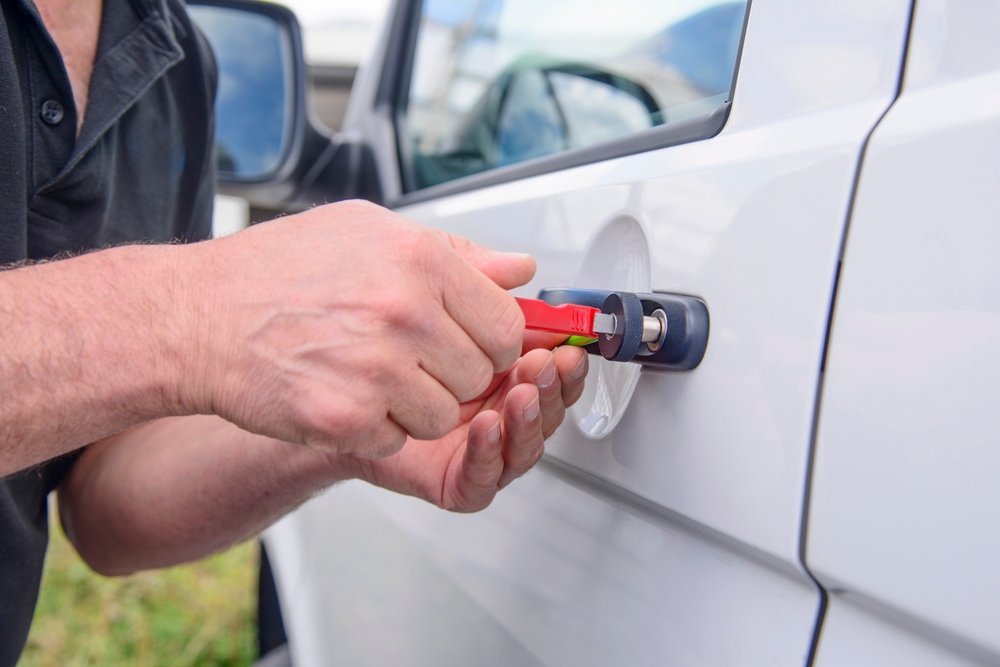
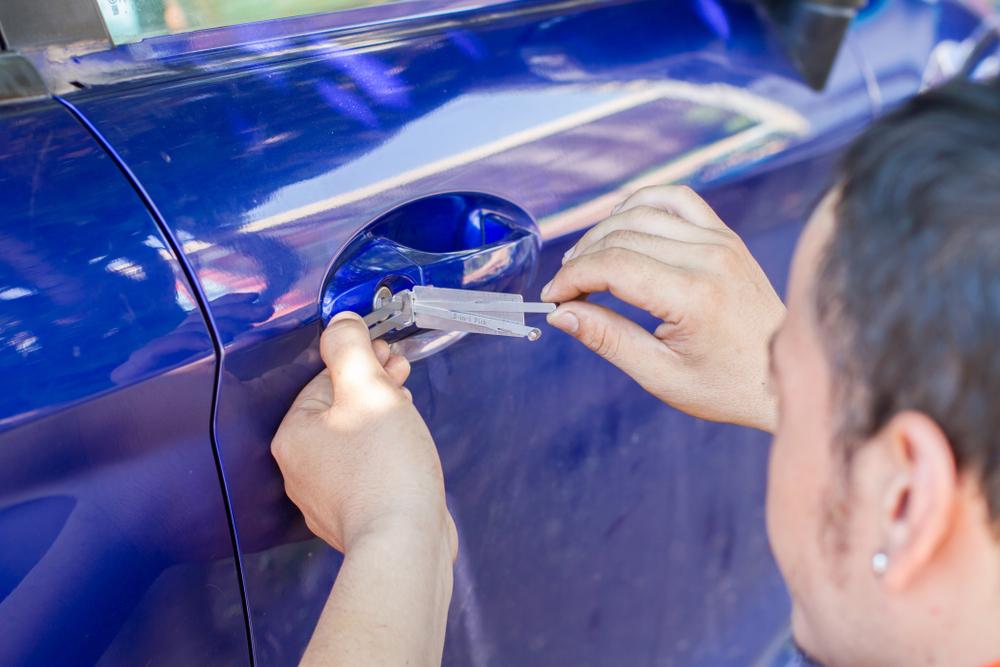
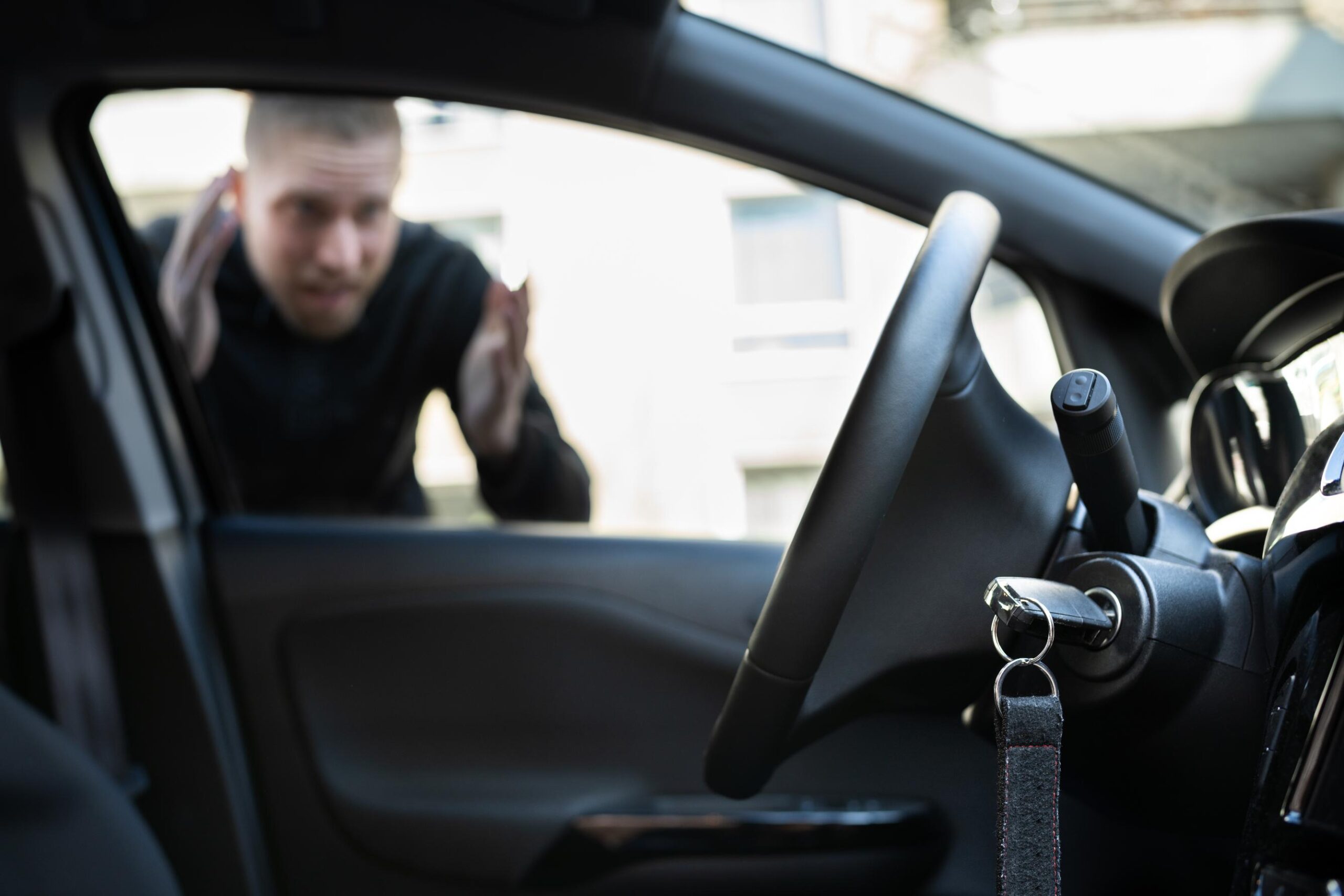
Getting locked out of your car can turn a routine stop in Fairfax, VA into an immediate problem. Whether you are parked near Old Town Fairfax, Fair Oaks Mall, George Mason University, or outside your home, the first question is often whether you should try to unlock the vehicle yourself or call a professional.
Quick answer: DIY car unlocking may seem faster or less expensive when the situation is simple, but modern vehicle locks, electronic systems, weather seals, and airbags can make improvised entry risky. Professional car unlocking generally offers a safer approach when you cannot access a spare key, the vehicle has complex locking technology, or DIY attempts could damage the door, glass, wiring, or locking mechanism.
What Fairfax drivers should know
DIY methods can cause damage that costs more to address than the original lockout.
Professional unlocking is generally the better choice when keys are locked inside a modern vehicle or the lock is difficult to access.
A lockout near busy roads such as Route 50 or Route 29 can create additional safety concerns, making quick assistance more important.
Drivers should avoid forcing tools into a door if they are unsure how the vehicle’s locking components are positioned.
If a child, vulnerable person, or pet is trapped inside and there is an immediate safety threat, contact emergency services rather than treating the situation as a routine lockout.
Why Does the DIY vs Professional Choice Matter in Fairfax?
Choosing between DIY and professional car unlocking matters in Fairfax because a quick attempt to save time can create vehicle damage, additional delays, or safety problems. The right choice depends on where the vehicle is located, how it is secured, and whether you have a genuinely safe way to regain access.
Fairfax drivers encounter lockouts in many settings, from residential areas around Mantua and Fairfax Villa to shopping areas near Fair City Mall and commercial corridors along Main Street. A lockout in your driveway gives you more time to consider your options than one in an exposed parking area or alongside a busy road.
Artie’s Lock And Key helps drivers facing vehicle lockouts in the Fairfax area. When you call us, the goal is to regain access without turning a straightforward lockout into unnecessary vehicle damage.
What Do We See With Local Vehicle Lockouts?
Local vehicle lockouts commonly involve keys left inside the cabin, inaccessible keys, or locking systems that drivers cannot safely manipulate themselves. Because no specific company field data or verified local lockout statistics were provided for this article, these observations should be understood as general professional lockout scenarios rather than measured Fairfax statistics.
The local setting still matters. A driver locked out near George Mason University may be dealing with traffic and scheduling pressure, while someone stranded near Fairfax Circle may be more concerned about staying safely away from moving vehicles. Weather also matters because Northern Virginia experiences hot, humid summers as well as cold winter conditions.
Those circumstances can make waiting, experimenting with improvised tools, or repeatedly pulling on a door less practical.
How Can a Car Lockout Affect Fairfax Drivers?
A car lockout can affect Fairfax drivers through lost time, missed appointments, towing complications, personal safety concerns, and possible vehicle damage from unsuccessful entry attempts. What begins as an inconvenience can become significantly more expensive if a door frame, seal, lock, window, or interior component is damaged.
For commuters traveling toward Vienna, Annandale, or other parts of Fairfax County, even a relatively short delay can disrupt work or family schedules.
Location also changes the urgency. Being locked out at home is usually different from being stuck in an unfamiliar parking lot after dark. Before trying any unlocking method, consider both the vehicle and your surroundings.
What Are the Warning Signs That DIY Unlocking Is a Bad Idea?
DIY car unlocking is a bad idea when entry requires force, unfamiliar tools, manipulation near sensitive vehicle components, or actions you cannot perform confidently. If an attempted shortcut begins bending, scraping, or separating parts of the vehicle, stop before the damage gets worse.
Watch for these warning signs:
The door frame begins flexing or bending as you apply pressure.
A tool is contacting wiring, controls, or other components inside the door.
Weather stripping is tearing, separating, or becoming permanently distorted.
You cannot clearly identify what the tool is touching inside the vehicle.
The vehicle uses an electronic or unfamiliar locking system.
Repeated attempts are producing scratches without getting you closer to entry.
You are stopped somewhere where remaining outside the vehicle creates a personal safety concern.
A child, pet, or vulnerable passenger is inside and conditions are becoming dangerous.
When Should You Call a Professional for Car Unlocking?
You should call a professional when you do not have a safe, non-damaging way into the vehicle or when the location makes experimenting with DIY methods impractical. Professional help is particularly appropriate when the vehicle has modern locking technology, your tools are improvised, or previous attempts have failed.
A driver safely parked at a Fairfax residence may first check for a spare key or another authorized access option. Those are sensible DIY steps because they do not involve manipulating the vehicle itself.
The threshold changes once DIY means inserting improvised objects into the door, prying the frame, or trying to manipulate components you cannot see. At that point, professional assistance can reduce the chance of turning the lockout into a repair problem.
What Commonly Causes Car Lockouts in Fairfax?
Common car lockouts are usually caused by everyday key mistakes, automatic locking behavior, lost access to keys, or problems that prevent the driver from opening the vehicle normally. The busy mix of commuting, shopping, school, and residential travel throughout Fairfax County creates plenty of opportunities for a momentary mistake to become a lockout.
Common situations include:
Keys left inside the vehicle. A driver may set down the keys while unloading groceries, bags, or other items and close the door.
Keys inaccessible in the trunk or cargo area. Loading or unloading can leave keys somewhere that becomes inaccessible after the vehicle is secured.
Lost or misplaced keys. A lockout may happen after leaving a restaurant, store, office, campus building, or other destination.
Unexpected locking behavior. Drivers may misunderstand how a particular vehicle’s automatic or electronic locking features operate.
Key or lock problems. Sometimes the issue is not simply where the key is located, which can make improvised unlocking attempts even less appropriate.
Can You Prevent a Car Lockout?
You can reduce the chance of a car lockout by developing consistent key habits, maintaining access to a spare key, and avoiding placing keys inside the vehicle while loading or unloading. Prevention is especially useful for Fairfax commuters who depend on their vehicles for tightly scheduled daily travel.
Keep a spare key somewhere secure and accessible rather than inside the locked vehicle. Before closing a trunk or door, make a habit of confirming that the keys are in your hand, pocket, or bag.
Learn how your vehicle’s locking system behaves, particularly after purchasing a different car. If a key, fob, or lock begins behaving inconsistently, address the problem before it leaves you stranded.
DIY prevention is worthwhile. DIY forced entry usually is not.
What Results Can You Expect From Professional Car Unlocking?
Professional car unlocking is intended to restore authorized access to a locked vehicle while minimizing unnecessary interference with the vehicle. The exact approach and outcome depend on the vehicle, its locking system, its condition, and the circumstances of the lockout.
A locksmith may first need to understand the vehicle and the nature of the problem before determining an appropriate entry method. Drivers should also be prepared to establish that they are authorized to access the vehicle.
Professional service does not mean every lockout is identical. Different makes, models, door designs, and locking technologies can require different approaches.
What Mistakes Should Fairfax Drivers Avoid During a Lockout?
Fairfax drivers should avoid forcing entry, repeatedly trying unsuccessful techniques, or prioritizing speed over vehicle and personal safety. The better approach is to start with harmless access options and recognize when the situation has moved beyond a reasonable DIY solution.
Mistake: Prying aggressively at the door. Consequence: Excessive force can affect the door frame, finish, seals, or nearby components. Better approach: Stop when entry requires force you cannot safely control.
Mistake: Using random household objects as unlocking tools. Consequence: Improvised objects can scratch surfaces or contact components you cannot see. Better approach: Check for a spare key or seek professional assistance.
Mistake: Continuing after several failed attempts. Consequence: Repetition can increase damage without increasing the likelihood of success. Better approach: Treat failed attempts as a signal to change strategies.
Mistake: Ignoring your surroundings. Consequence: A lockout near a busy Fairfax County roadway or in severe weather can become a safety issue. Better approach: Move to a safe location when possible and arrange appropriate help.
What Is a Common Fairfax Car Lockout Scenario?
A common Fairfax car lockout scenario is a driver realizing the keys are inaccessible immediately after closing a vehicle door or trunk. This is an illustrative local scenario, not a specific Artie’s Lock And Key customer case study.
Imagine finishing errands near Fair Oaks and discovering that your keys are visible inside the locked vehicle. You may be tempted to find a piece of wire or another object and attempt entry immediately.
Checking for a spare key or another legitimate access method is reasonable. If neither is available, however, forcing an improvised tool through the door can create a second problem. Calling for professional unlocking allows the situation to be approached as a vehicle access issue rather than an experiment with the door.
What Services Can Help With a Vehicle Lockout?
Professional automotive lockout service can help when an authorized driver cannot safely regain access to a locked vehicle. The appropriate solution depends on whether the problem is simply a locked door or involves another key or lock issue.
We can evaluate the lockout situation and determine an appropriate approach based on the vehicle and circumstances.
DIY vs Professional Car Unlocking: Which Is Better?
Professional car unlocking is usually the better option when DIY entry would require manipulating or forcing the vehicle, while DIY makes sense for harmless steps such as locating a spare key. Comparing the two approaches helps Fairfax drivers decide where safe self-help ends and unnecessary risk begins.
Factor
DIY Approach
Professional Approach
Spare key available
Often the simplest option
Usually unnecessary
Improvised entry tools required
Higher risk of unintended damage
Avoids relying on improvised methods
Modern locking system
Can be difficult to assess safely
Vehicle-specific approach can be considered
Time
May be quick if a spare is accessible, but failed attempts add delays
Requires arranging service
Vehicle damage risk
Can increase when force or unfamiliar tools are used
Intended to minimize unnecessary damage
Roadside or exposed location
DIY attempts may prolong time outside the vehicle
Can provide a direct path toward resolving the lockout
The strongest DIY option is usually the one that does not involve trying to defeat the vehicle’s locking system. Check for a spare key, confirm whether another authorized person can bring one, and consider any legitimate access features your vehicle already provides.
If those options are unavailable, professional help is generally the more practical next step.
Where Does Car Unlocking Service Help Around Fairfax?
Car unlocking service can assist drivers throughout Fairfax and surrounding Fairfax County communities when they are unable to access their vehicles. Local lockouts may occur around residential neighborhoods, shopping areas, George Mason University, or major travel corridors connecting nearby communities such as Vienna and Annandale.
The exact availability and service area for Artie’s Lock And Key should be confirmed directly when requesting assistance.
What Can Happen If You Keep Trying to Force Entry?
Continuing to force entry can turn a basic lockout into damage involving the vehicle’s finish, seals, door alignment, glass, locking components, or interior systems. For Fairfax drivers, that can mean more downtime and additional repairs after the original access problem is solved.
Waiting also matters when conditions are uncomfortable or the vehicle is stopped in an exposed location. The goal should be to resolve the lockout efficiently without creating another problem.
Accessing your own vehicle is different from attempting to enter a vehicle without authorization, and drivers should be prepared to establish their right to access the car. This article does not provide legal advice. If ownership or authorization is unclear, avoid attempting entry and seek appropriate professional or legal guidance.
Should I use a coat hanger to unlock my car in Fairfax?
Using an improvised coat hanger is generally not a good choice if it requires inserting the object into areas where you cannot see or control what it contacts. Modern doors can contain wiring, controls, seals, and other components, so an unsuccessful Fairfax lockout attempt may create unnecessary damage.
What should I do first if I lock my keys in my car in Fairfax?
First, confirm that every legitimate, non-damaging access option has been checked, including a spare key or another authorized way into the vehicle. If those options are unavailable, assess your surroundings and consider professional unlocking rather than immediately forcing tools into the door.
Is a car lockout more urgent during Northern Virginia summer weather?
A car lockout can become more urgent during hot Northern Virginia weather when someone vulnerable is trapped inside the vehicle or the driver is stranded in an exposed location. If a child, vulnerable person, or pet faces an immediate safety threat inside the vehicle, contact emergency services rather than waiting for routine lockout assistance.
Can DIY unlocking damage my vehicle?
Yes, DIY unlocking can damage a vehicle if tools scrape finishes, distort weather seals, bend components, or interfere with mechanisms inside the door. The risk varies by vehicle and technique, but Fairfax drivers should stop if an attempt requires uncontrolled force or contact with components they cannot identify.
Is professional unlocking always necessary in Fairfax County?
No, professional unlocking is not always necessary if you have a safe and legitimate alternative such as an accessible spare key. Professional assistance becomes more useful when those options are unavailable and getting inside would otherwise require manipulating the lock, door, or other vehicle components.
What information should I have when requesting car unlocking service?
Be ready to provide basic information about the vehicle, your location, and the nature of the lockout when requesting service. You should also expect to establish that you are authorized to access the vehicle. Clear information can help a locksmith understand the Fairfax lockout situation before service begins.
Should I keep trying if my first DIY unlocking attempt fails?
Repeated attempts are usually a reason to stop rather than apply more force, especially if the door, weather stripping, paint, or other components are being affected. Once harmless options have been exhausted, continuing an unsuccessful DIY attempt can increase the eventual cost and inconvenience of the Fairfax lockout.
Get Back Into Your Vehicle Without Creating a Bigger Problem
A car lockout is frustrating, but the safest solution is usually the one that restores access without adding unnecessary vehicle damage. For drivers throughout Fairfax and nearby Fairfax County communities, knowing when to stop DIY attempts can save time and prevent a simple inconvenience from becoming a repair issue.
Need dependable car unlocking help in the Fairfax area? We can help you evaluate the situation and work toward restoring access to your vehicle.
Getting locked out of your vehicle rarely happens at a convenient time. Whether you’re parked outside Eden Center after lunch, leaving a workout at the Falls Church Community Center, or loading groceries near West Broad Street, a lockout can quickly turn an ordinary day into a frustrating delay.
A well-stocked emergency lockout kit helps you stay safe, organized, and prepared until you can regain access to your vehicle. While no kit guarantees you can unlock your own car safely, having the right items can reduce stress, protect your vehicle, and make it easier to get back on the road.
What Local Readers Should Know
A vehicle lockout kit is designed to help you stay safe and organized while waiting for assistance, not to bypass modern vehicle security systems.
Northern Virginia’s changing weather can affect batteries, electronic key fobs, and vehicle locks throughout the year.
Busy destinations such as Seven Corners, Mosaic District, and downtown Falls Church often mean a lockout can disrupt work, appointments, or family schedules.
Keeping emergency supplies in your vehicle can make unexpected delays much more manageable.
Professional automotive locksmiths have specialized tools and training to unlock modern vehicles without unnecessary damage.
Why This Matters Locally
An emergency lockout can happen anywhere, but it feels especially stressful when you’re rushing through traffic on Route 7, commuting along I-66, or heading toward Arlington or McLean during peak travel times. Falls Church residents often rely on their vehicles for commuting throughout Northern Virginia, making quick access to dependable help especially important.
Older neighborhoods may have residents driving a mix of newer vehicles with advanced security systems and older models with traditional locks. Commercial areas, shopping centers, schools, and commuter parking lots all create situations where lost or locked-in keys can interrupt an already busy schedule.
At Artie’s Lock And Key, we’ve seen how a little preparation can reduce frustration when unexpected lockouts occur. That’s why we encourage drivers to build a practical emergency kit that focuses on safety and readiness rather than attempting risky DIY entry methods.
Local Field Observations
Based on our experience serving vehicle owners throughout the Falls Church area, many lockout situations involve everyday distractions rather than equipment failures. Common scenarios include:
Keys accidentally left inside while unloading groceries.
Key fobs with depleted batteries.
Lost keys during errands or outdoor activities.
Doors automatically locking after closing.
Dead vehicle batteries preventing electronic access features from working.
These situations are common across residential neighborhoods, office complexes, shopping areas, and commuter lots throughout Fairfax County.
Local Impact
A vehicle lockout affects more than convenience. Missing work, delaying school pickups, or sitting in a parking lot during extreme summer heat or winter cold can quickly become more than a minor inconvenience.
Falls Church commuters often travel significant distances throughout Northern Virginia each day. A lockout may disrupt multiple appointments, impact work schedules, or leave family members waiting. Preparing ahead helps reduce those disruptions.
Warning Signs Your Lockout Kit Needs Updating
A lockout kit is only useful if its contents remain functional. Check your kit if you notice any of these signs:
Your flashlight batteries are dead or weak.
Your spare key location is no longer secure or accessible.
Your phone charging cable is damaged.
Your portable battery pack no longer holds a charge.
Your first aid supplies have expired.
Important emergency contact information is outdated.
Your key fob battery has shown signs of weakening.
What Every Vehicle Owner Should Include
The best emergency lockout kit focuses on communication, visibility, and personal safety.
Spare Key
A properly stored spare key remains one of the most valuable items you can have. Avoid hiding it on the exterior of your vehicle. Instead, consider leaving it with a trusted family member or using another secure solution appropriate for your situation.
Portable Phone Charger
A fully charged power bank can make the difference between quickly calling for assistance and being stranded without communication.
Flashlight
A reliable LED flashlight helps during nighttime lockouts, especially in parking garages or poorly lit areas.
Reflective Safety Vest
If your vehicle is stopped along a roadside or shoulder, increased visibility improves personal safety while waiting for assistance.
Emergency Contact Card
Include phone numbers for family members, roadside assistance, and your preferred locksmith.
First Aid Kit
Even though it does not help unlock your vehicle, basic first aid supplies are always worthwhile during unexpected roadside situations.
Bottled Water
Virginia summers can become quite warm, making hydration important if assistance takes time to arrive.
Weather Protection
Consider including:
Compact umbrella
Emergency blanket
Light gloves
Cooling towel during summer months
When to Call a Professional
Professional assistance is the safest choice whenever you’re locked out of a modern vehicle.
Avoid attempting to unlock your vehicle if:
Electronic locks are malfunctioning.
A child or pet is inside the vehicle.
The keys have broken inside the lock.
Your vehicle uses advanced security technology.
You’re considering using improvised tools that could damage the door or weather stripping.
Professional locksmiths use specialized equipment designed for automotive entry while helping minimize the risk of unnecessary damage.
Common Local Causes of Vehicle Lockouts
1. Busy Daily Schedules
Residents often juggle work, school, shopping, and commuting across Fairfax County, increasing the likelihood of accidentally leaving keys inside.
2. Electronic Key Fob Batteries
Weak batteries may prevent reliable remote unlocking.
3. Automatic Locking Features
Many newer vehicles automatically lock under certain conditions, sometimes catching drivers off guard.
4. Lost Keys
Busy shopping centers, parks, and recreational areas create opportunities for keys to be misplaced.
5. Weather Conditions
Heat, cold, and moisture can all affect batteries and electronic components over time.
Prevention and Maintenance
Simple habits can greatly reduce the chance of a lockout.
Replace key fob batteries before they completely fail.
Keep your phone charged whenever traveling.
Verify you have your keys before closing the driver’s door.
Test your spare key periodically.
Store emergency supplies in a secure location inside the vehicle.
Review your emergency contacts every few months.
Expected Results
An emergency lockout kit will not unlock a vehicle by itself, but it can significantly improve your ability to handle the situation calmly and safely. Having communication tools, emergency supplies, and a plan in place often shortens delays and reduces stress while waiting for professional assistance.
Common Mistakes
Mistake: Using coat hangers or homemade tools.
Consequence: Damaged weather stripping, scratched paint, bent door frames, or broken lock mechanisms.
Better Approach: Contact a qualified automotive locksmith with professional vehicle entry equipment.
Mistake: Ignoring a weak key fob battery.
Consequence: Unexpected lockout when the remote suddenly stops working.
Better Approach: Replace batteries during routine vehicle maintenance.
Mistake: Hiding a spare key outside the vehicle.
Consequence: Increased security risk.
Better Approach: Store spare keys securely with someone you trust or another protected location.
Common Local Scenario
Imagine finishing dinner near Cherry Hill Park before realizing your keys are sitting on the driver’s seat. It’s already getting dark, your phone battery is low, and you still have another stop before heading home.
With a charged power bank, emergency contacts readily available, and a clear plan for professional assistance, the experience becomes far less stressful than scrambling for solutions.
Related Service Solutions
Vehicle lockouts are only one part of automotive locksmith services. Depending on the situation, professional assistance may include:
We proudly assist drivers throughout Falls Church and nearby communities, including Arlington, McLean, Merrifield, Seven Corners, and surrounding areas of Fairfax County. Our goal is to help local vehicle owners get back on the road as safely and efficiently as possible.
Cost of Ignoring the Issue
Waiting until after a lockout occurs often leads to greater inconvenience. Missed appointments, extended delays, exposure to harsh weather, and the possibility of damaging your vehicle through DIY attempts can all cost more than preparing ahead.
What should every driver in Falls Church keep in an emergency lockout kit?
Every driver should keep a flashlight, portable phone charger, emergency contacts, bottled water, basic first aid supplies, and a secure plan for accessing a spare key. These items help you stay safe while waiting for assistance.
Can I unlock my own car without damaging it?
Modern vehicles often have complex locking systems that are easy to damage with improvised tools. Professional locksmiths use equipment designed specifically for automotive entry.
Does weather in Northern Virginia affect vehicle locks?
Yes. Summer heat, winter cold, and changing humidity can affect batteries, electronic key fobs, and some locking components over time.
How often should I replace my key fob battery?
Most manufacturers recommend replacing key fob batteries every few years or whenever you notice reduced operating range or inconsistent performance.
Is a roadside emergency kit different from a lockout kit?
Yes. A roadside emergency kit focuses on breakdowns and vehicle safety, while a lockout kit emphasizes communication, preparedness, and items that help during accidental lockouts.
Should I keep a spare key inside my vehicle?
No. Leaving a spare key inside the vehicle defeats its purpose during a lockout. Store spare keys in a secure location that remains accessible when needed.
Stay Prepared for Unexpected Vehicle Lockouts
A little preparation today can save significant stress tomorrow. Building a practical emergency lockout kit helps you stay safe, organized, and ready when unexpected situations arise around Falls Church or anywhere else your travels take you.
Ready for dependable locksmith assistance?
Whether you need help with a vehicle lockout, replacement car keys, or automotive locksmith services, we’re here to help local drivers throughout Falls Church and the surrounding communities.
Getting locked out is rarely convenient. Whether you’re stepping outside to grab the mail, rushing to work, or closing up your business after hours, a simple mistake can leave you stranded outside your home, office, or vehicle. In Fairfax, VA, busy schedules, changing weather, and daily routines all contribute to lockout situations that are often preventable.
Quick Answer
The best way to avoid common lockout scenarios is to build simple habits, maintain your locks and keys, and have a backup plan before an emergency happens. Keeping spare keys in secure locations, checking your keys before locking doors, maintaining electronic locks, and addressing lock problems early can significantly reduce the chances of getting locked out.
What Local Readers Should Know
Many residential lockouts happen because homeowners accidentally leave keys inside while taking out trash, walking pets, or checking the mailbox.
Businesses around Old Town Fairfax and busy commercial corridors can reduce employee lockouts by creating clear key management procedures.
Cold winter mornings and summer storms in Northern Virginia can affect older locks and electronic access systems if they are not properly maintained.
Vehicle lockouts often occur during errands around shopping centers, schools, and community events when people are distracted or in a hurry.
Simple preventive habits are usually much less expensive than dealing with an unexpected emergency lockout.
Why This Matters Locally
Avoiding lockouts matters because daily life in Fairfax often involves commuting, family activities, shopping, and work schedules that leave little room for unexpected delays. Residents frequently travel between neighborhoods such as Mantua, Greenbriar, Fair Lakes, and nearby communities like Burke, Vienna, and Fairfax Station. A lockout can quickly disrupt appointments, school pickups, or business operations.
Artie’s Lock And Key helps property owners throughout the area with residential, commercial, automotive, and emergency locksmith services. Once you know the most common causes of lockouts, you can take simple steps that help prevent them before they become emergencies. From that point on, we focus on helping our customers stay prepared instead of reacting after the problem occurs.
Local Field Observations
The most common lockout situations we see are not caused by broken locks. Instead, they typically result from everyday routines. People often set keys on kitchen counters while carrying groceries, leave them inside vehicles during quick stops, or accidentally lock office doors while stepping away for a brief moment.
Older homes throughout Fairfax County may also have aging lock hardware that sticks or becomes difficult to operate over time. Electronic locks can experience battery issues if routine maintenance is overlooked.
Local Impact
Lockouts affect more than convenience.
Homeowners may be left outside during extreme temperatures while children or pets remain inside. Business owners can lose valuable operating time if employees cannot access the building. Vehicle lockouts can delay commutes along Route 50, Interstate 66, or the Fairfax County Parkway.
Taking preventive measures helps reduce stress, avoids unnecessary disruptions, and protects your daily schedule.
Warning Signs That a Lockout Could Be More Likely
The following warning signs often appear before a lockout occurs:
Your lock sticks or requires extra force to turn.
You regularly forget where you leave your keys.
Your key shows signs of bending or excessive wear.
Your electronic keypad occasionally fails to recognize the code.
You rely on only one house or vehicle key.
Family members frequently borrow keys without a consistent storage location.
Office staff share keys without a documented check-in and check-out process.
When to Call a Professional
A professional locksmith should be contacted when your locks become unreliable or difficult to use consistently.
You can safely monitor issues such as loose hardware, weak keypad batteries, or worn key rings. However, if a key repeatedly sticks, breaks, or requires excessive force, professional inspection is recommended before a complete lock failure occurs.
It is also a good idea to schedule service after moving into a new home, changing tenants, or experiencing a lost or stolen key.
Common Local Causes of Lockouts
1. Rushing Through Daily Routines
Morning commutes and busy family schedules often lead people to leave keys behind while rushing out the door.
2. Aging Lock Hardware
Many older homes in Fairfax County still have original lock hardware that wears over time, increasing the chance of keys sticking or locks failing.
3. Electronic Lock Maintenance
Smart locks provide convenience but require battery replacement and occasional software updates to remain reliable.
4. Vehicle Convenience Features
Modern vehicles sometimes lock automatically, catching drivers off guard when keys remain inside.
5. Poor Spare Key Planning
Many people either have no spare key or store one in an obvious location that creates security concerns.
Prevention and Maintenance
The best prevention starts with consistent habits.
Before leaving your home, make checking for your keys part of your daily routine. Store keys in the same location every day so they become easier to find.
Replace batteries in electronic locks according to the manufacturer’s recommendations instead of waiting for low battery warnings.
Inspect keys regularly for bending or excessive wear, and replace damaged copies before they fail.
If your lock feels rough or unreliable, schedule an inspection before it becomes an emergency.
Expected Results
Most lockouts can be prevented with routine maintenance and better key management.
Regular inspections help identify worn locks before they fail, while duplicate keys and backup access plans reduce the chance of becoming stranded. Property owners who stay proactive typically experience fewer emergency locksmith situations over the life of their locks.
Common Mistakes
Mistake: Hiding a spare key under a doormat.
Consequence: This remains one of the first places intruders check.
Better Approach: Store a spare key with a trusted family member or use a secure lockbox.
Mistake: Ignoring a sticking lock.
Consequence: The key may eventually break or the lock may fail completely.
Better Approach: Have the lock inspected before it becomes unusable.
Mistake: Waiting until an emergency to make spare keys.
Consequence: A simple oversight becomes a stressful and costly lockout.
Better Approach: Prepare duplicate keys while your originals are still in good condition.
Common Local Scenario
A homeowner leaves the house to walk the dog through the neighborhood, pulling the front door closed behind them without realizing the keys remain on the kitchen counter. Because there is no spare key available and the garage door is also locked, what started as a short walk turns into an unexpected lockout that interrupts the rest of the day.
Situations like this are common because they occur during ordinary routines rather than unusual circumstances.
Related Service Solutions
Several locksmith services can help prevent future lockouts:
We proudly assist customers throughout Fairfax, as well as nearby communities including Vienna, Burke, Fairfax Station, Oakton, and other surrounding areas across Fairfax County.
Cost of Ignoring the Issue
Waiting until a lockout occurs often results in unnecessary stress, disrupted schedules, and emergency service calls that could have been avoided through routine maintenance and better preparation.
How can I reduce my chances of getting locked out in Fairfax?
The best way is to establish consistent habits, maintain your locks, keep spare keys in secure locations, and address lock problems before they become emergencies.
Should I replace old locks in my Fairfax home?
Replacing worn locks is often recommended when they become difficult to operate, show signs of damage, or no longer provide the level of security you want.
Are smart locks a good option for Fairfax homeowners?
Yes. Smart locks can reduce traditional key-related lockouts when they are properly installed and maintained with fresh batteries.
What should businesses in Fairfax do to prevent employee lockouts?
Businesses should establish clear key management policies, maintain access systems, and keep backup access procedures for authorized personnel.
Can weather affect locks in Fairfax County?
Yes. Seasonal temperature changes and moisture can contribute to sticking locks, particularly older hardware that has not been maintained.
When should I have my locks inspected?
Locks should be inspected whenever they become difficult to operate, after moving into a new property, after losing keys, or whenever security concerns arise.
Closing
Preventing lockouts is usually much easier than dealing with one after it happens. By building good habits, maintaining your locks, and planning ahead, homeowners and businesses throughout Fairfax can reduce the likelihood of unexpected lockouts while improving overall security.
Avoid Lockouts Before They Disrupt Your Day
Whether you want to improve security, maintain your existing locks, or prepare for the unexpected, we’re here to help with professional locksmith solutions throughout Fairfax and the surrounding communities.
Running a business in Fairfax, VA comes with a long list of responsibilities, and building security sits near the top of that list. Your commercial locks are the first line of defense between your assets and the outside world. Yet many business owners overlook the warning signs that their locks are failing until it is too late. Understanding when to act on business lock repair needs can save you from costly break-ins, liability issues, and operational disruptions.
Here is what to watch for before a small problem turns into a serious security risk.
1. Your Keys Are Sticking, Jamming, or Difficult to Turn
One of the earliest and most obvious signs that something is wrong with your commercial locks is when your keys no longer operate smoothly. If employees are struggling to unlock the front door at the start of the day, or if the key requires extra force to turn, that friction is not something to ignore. It typically points to internal wear, dirt and debris buildup inside the cylinder, or a lock mechanism that has shifted out of alignment.
In a commercial setting, this kind of problem compounds quickly. Multiple people use the same locks every day, and that repeated use accelerates wear. Over time, a sticking lock can become a jammed lock, and a jammed lock can leave you locked out of your own building during business hours. Routine lock maintenance in Fairfax businesses means addressing these friction issues early, before they lead to a complete failure. A locksmith can clean, lubricate, and realign the cylinder, or recommend a replacement if the internal components are too worn to recover.
2. Visible Damage, Rust, or Weathering on the Lock Hardware
Commercial properties in Fairfax, VA are exposed to the full range of Mid-Atlantic weather conditions. Hot and humid summers, cold winters, and heavy rain throughout the year all take a toll on exterior lock hardware. If you notice rust forming on the lock body, corrosion around the keyhole, or physical damage such as cracks, dents, or a loose handle, those are signs that the hardware is compromised.
Rust and corrosion are not just cosmetic issues. They weaken the structural integrity of the lock and can cause the internal components to seize or break unexpectedly. Physical damage, especially around the strike plate or deadbolt area, may indicate a past forced entry attempt that went unreported or unnoticed. Any business owner serious about security should treat visible hardware damage as an urgent matter. Depending on the extent of the deterioration, business lock repair may mean replacing individual components or upgrading the entire lockset to a more weather-resistant model suited for commercial use.
3. The Door Latch or Deadbolt Is Misaligned
A door that does not close properly, or a deadbolt that requires lifting the handle to engage, is telling you that something is off with the alignment between the lock and the door frame. This is a surprisingly common issue in commercial buildings, where heavy foot traffic, building settling, and temperature-related expansion and contraction can all cause doors and frames to shift over time.
When a latch or deadbolt is misaligned, the lock may appear to be engaged while actually providing very little resistance to forced entry. This is a serious vulnerability. Employees may believe the door is secure when it is not, and that false sense of safety can lead to incidents that could have been prevented. Lock maintenance in Fairfax commercial properties should include periodic checks of door alignment, not just the lock mechanism itself. Adjusting the strike plate, realigning the door, or retrofitting the latch can often resolve the problem without a full replacement.
4. You Have No Record of Who Has Keys to Your Building
This sign is less about physical lock failure and more about access control failure, which is equally dangerous for a business. If your company has gone through employee turnover, vendor changes, or office relocations without a clear key management protocol, there is a good chance that copies of your building keys are out in the world with people who no longer have any business accessing your property.
Unrestricted key duplication is one of the most overlooked security risks for small and mid-sized businesses in Fairfax. Standard commercial keys can be copied at hardware stores without any verification of authorization. If you cannot account for every key to your facility, a security upgrade in Fairfax is not just advisable, it is necessary. Rekeying the locks is the most immediate solution, as it renders all existing keys useless and gives you a fresh start with controlled copies. For higher-security needs, upgrading to a restricted keyway system or transitioning to electronic access control eliminates the duplication problem altogether and gives you a digital record of who enters and when.
5. Your Locks Are Outdated or Do Not Meet Current Security Standards
Security technology has evolved significantly over the past decade, and many commercial properties in Fairfax are still running on lock hardware that was installed years or even decades ago. Older pin tumbler locks, worn master key systems, and low-grade deadbolts that passed inspection in the past may no longer provide adequate protection against modern bypass techniques.
Experienced burglars and intruders are familiar with the vulnerabilities of older lock hardware. Lock picking, bump keys, and shimming are techniques that work effectively on low-security or worn commercial locks. If your business handles sensitive data, valuable inventory, or hosts employees after hours, you have a responsibility to ensure that your locks meet current commercial security standards. A security upgrade in Fairfax does not have to mean a complete overhaul. A qualified commercial locksmith can assess your current hardware, identify the weakest points, and recommend targeted upgrades such as high-security deadbolts, anti-drill cylinders, or smart lock systems that integrate with your existing building management setup.
Beyond the technology itself, outdated locks may also fall short of current insurance requirements or commercial lease agreements. Some property insurers now require specific grades of lock hardware as a condition of coverage. Discovering that your locks do not qualify after a loss event is a situation no business owner wants to face.
Protecting Your Business Starts with Paying Attention
The locks on your commercial property work silently in the background every day, and it is easy to take them for granted until something goes wrong. The warning signs covered here, ranging from stiff keys and visible corrosion to misalignment and uncontrolled key access, are all manageable problems when caught early. The real danger comes from ignoring them.
Businesses in Fairfax, VA operate in a competitive and active environment, and maintaining a secure facility is part of running a professional operation. Whether you need a straightforward business lock repair or a broader security upgrade in Fairfax, the key is to act before the problem escalates. Scheduled lock maintenance in Fairfax properties does not require a large budget or a significant time investment. It requires awareness and a willingness to call a qualified commercial locksmith when the signs point to trouble.
Do not let worn hardware, a key that sticks, or an untracked set of building keys become a liability. Inspect your commercial locks regularly, respond quickly to the warning signs, and partner with a local locksmith who understands the specific security needs of businesses in Fairfax and the surrounding Northern Virginia area. Your building, your employees, and your assets deserve nothing less than a fully functioning and up-to-date lock system.
Need a Locksmith Near You?
We have been servicing the Greater Fairfax/DC area for over 40 years with services for residential, commercial, and automotive clients alike. We are proud to offer you the best locksmithing service in Fairfax, Arlington, Loudoun, Prince William counties, and the surrounding communities. Our professional locksmiths are here to handle any job. At Artie’s Lock and Key, we are fully equipped with the latest tools and professionally trained to handle locks of all kinds. Contact us to purchase a new lock, new car key or remote, rekey, or to schedule a job for repair or installation. The team at Artie’s Lock and Key can work on all your transponder keys, commercial locks, panic bars, and more. We are fully licensed, bonded, and insured. Contact us today to learn more about what we can do for you!