Locks are one of those household features most people ignore until something goes wrong. A sticky deadbolt, a key that refuses to turn smoothly, or a latch that no longer lines up properly can go from a minor annoyance to a full-blown security problem faster than you might expect. The good news is that with a few lock maintenance hacks and some basic supplies, you can keep every lock in your home functioning like new for years.
This guide walks you through practical, beginner-friendly DIY locksmith tips that require no special training and very little money.
Why Regular Lock Maintenance Matters More Than You Think
Most homeowners focus their maintenance energy on plumbing, HVAC systems, and appliances. Locks, however, rarely make the to-do list until they fail. That neglect adds up over time. Dirt, dust, moisture, and metal fatigue quietly degrade your locks from the inside out, weakening the very hardware that keeps your home secure.
A lock that has not been maintained can develop internal corrosion, worn-down pins, and dry tumblers that grind against the key with every use. Over time, this friction wears down both the lock cylinder and the key itself. A worn key in a worn lock is a recipe for a broken key stuck inside the mechanism, which is not a situation anyone wants to deal with on a busy morning or late at night.
Beyond security, there is a financial case for home lock care. Replacing a high-quality deadbolt or smart lock can cost anywhere from $50 to several hundred dollars. Regular maintenance costs almost nothing by comparison and dramatically extends the lifespan of your hardware. Think of it the same way you think about changing your oil: a small, routine effort prevents a much larger and more expensive problem down the road.
Cleaning Your Locks: The Foundation of Good Home Lock Care
Before you apply any lubricant or make any adjustments, cleaning is the essential first step. Over time, the keyhole and internal cylinder collect dust, debris, and even fragments of worn metal. This buildup creates resistance and can eventually jam the mechanism entirely.
Start by spraying a small amount of compressed air into the keyhole. This dislodges loose particles without pushing them deeper into the lock. For the exterior of the lock, use a dry microfiber cloth to wipe down the faceplate, knob, or lever. Avoid using water directly on lock hardware, especially on exterior doors, since moisture can work its way into the cylinder and cause rust over time.
For deeper cleaning, a cotton swab lightly moistened with isopropyl alcohol works well for reaching around the keyhole opening and the edges of the strike plate. Isopropyl alcohol evaporates quickly and does not leave behind residue the way soap and water would. Once you have cleaned the exterior surfaces, insert and remove your key a few times to work out any grit still sitting inside the cylinder. If the key comes out with visible grime on it, repeat the process until it comes out clean.
This cleaning step alone is one of the most underrated lock maintenance hacks available to homeowners. Many locks that feel stiff or sticky simply need a thorough cleaning before any other intervention is necessary.
Lubrication: The Right Products and the Right Technique
Lubrication is at the heart of DIY locksmith tips for a very good reason. Proper lubrication reduces friction between the internal pins and the cylinder walls, allowing the key to turn with minimal effort. The catch is that not all lubricants are created equal, and using the wrong one can cause more harm than good.
Graphite powder is widely considered the gold standard for lock lubrication. It is dry, non-sticky, and does not attract dust the way oil-based products do. You can apply it directly to the key or use a small puffer bottle to blow it into the keyhole. After applying, insert the key and turn it back and forth several times to distribute the graphite evenly through the cylinder.
Many people reach for WD-40 as a default lubricant, and while it can provide temporary relief for a stiff lock, it is actually a degreaser and solvent rather than a true lubricant. Over time, WD-40 can strip existing lubrication and leave behind a residue that attracts dirt. If you use it in a pinch, follow up with a proper lubricant as soon as possible.
Teflon-based lubricants are another solid option. They are dry, long-lasting, and safe for most lock types, including padlocks, deadbolts, and doorknob locks. Silicone spray is also effective and works particularly well on locks exposed to outdoor conditions since it repels moisture and holds up in temperature extremes.
For best results, lubricate your locks at least once a year as part of your regular home lock care routine. If you live in a humid climate or your locks are exposed to heavy weather, consider doing it twice a year.
Adjusting Strike Plates and Fixing Misalignment
A lock that technically works but still gives you trouble often has a misalignment problem rather than an internal mechanical issue. When a door shifts due to seasonal expansion, settling of the home’s foundation, or wear on the hinges, the bolt or latch may no longer line up cleanly with the strike plate opening. This forces you to lift or push the door just to get the key to turn, which puts unnecessary stress on both the lock and the door frame.
The fix is simpler than most people expect. Start by examining the strike plate on the door frame. Look for shiny scratch marks on the metal, which indicate exactly where the bolt is making contact. If the bolt is hitting slightly high or low, you have two options: you can either adjust the strike plate position by loosening its screws and moving it slightly, or you can use a metal file to enlarge the opening in the direction the bolt needs to travel.
Before making any permanent changes, check the door hinges first. Loose hinge screws are one of the most common causes of misalignment, and tightening them sometimes resolves the problem entirely without touching the strike plate at all. Use longer screws when re-tightening hinges; standard hinge screws are often too short to grip the door frame studs properly, and switching to 3-inch screws gives you a much more stable connection.
Fixing misalignment is one of those DIY locksmith tips that takes very little time but makes an enormous difference in how your locks feel and function on a daily basis.
Maintaining Padlocks, Deadbolts, and Specialty Hardware
Different lock types have slightly different maintenance needs, and a well-rounded home lock care routine accounts for all of them.
Padlocks, especially those used outdoors, benefit from a silicone or Teflon lubricant applied to both the shackle and the keyhole. If a padlock has been exposed to rain or humidity, dry it thoroughly before lubricating to prevent trapping moisture inside. Storing padlocks in a covered location when not in use extends their lifespan considerably.
Deadbolts are the workhorse locks of most homes, and they deserve special attention. In addition to lubrication, check the bolt itself periodically to make sure it extends and retracts smoothly without catching. Tighten any loose mounting screws on the lock body, since a deadbolt that shifts in the door can gradually warp the cylinder alignment.
Smart locks and keypad locks have electronic components that require a different approach. Keep the exterior clean and dry, replace batteries on schedule (most manufacturers recommend doing so annually), and check for firmware updates if the lock connects to a home automation system.
Conclusion
Maintaining your locks does not require professional skills or expensive tools. A consistent routine built around cleaning, proper lubrication, and occasional hardware adjustments is all it takes to keep your locks reliable and your home secure. By applying these lock maintenance hacks throughout the year, you protect your investment, avoid inconvenient failures, and give yourself genuine peace of mind knowing that your first line of defense is always in top condition.
Need a Locksmith Near You?
We have been servicing the Greater Fairfax/DC area for over 40 years with services for residential, commercial, and automotive clients alike. We are proud to offer you the best locksmithing service in Fairfax, Arlington, Loudoun, Prince William counties, and the surrounding communities. Our professional locksmiths are here to handle any job. At Artie’s Lock and Key, we are fully equipped with the latest tools and professionally trained to handle locks of all kinds. Contact us to purchase a new lock, new car key or remote, rekey, or to schedule a job for repair or installation. The team at Artie’s Lock and Key can work on all your transponder keys, commercial locks, panic bars, and more. We are fully licensed, bonded, and insured. Contact us today to learn more about what we can do for you!
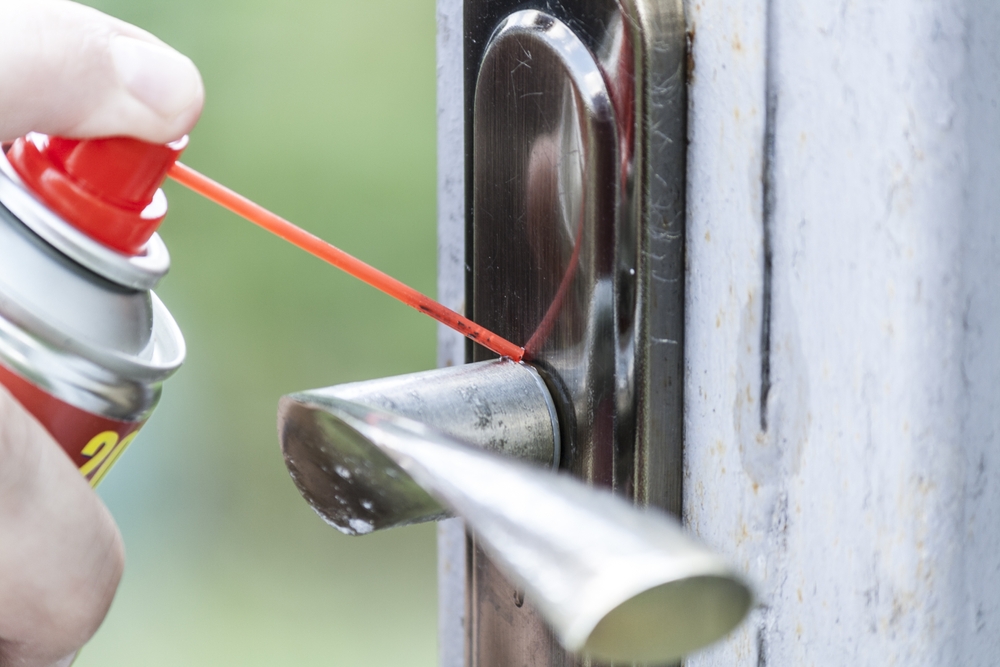
Maintaining the locks in your home, office, or workshop is one of the simplest yet most often overlooked aspects of security care. Just like any mechanical system, locks require regular maintenance to remain effective, smooth, and reliable. Over time, dirt, grime, moisture, and even seasonal temperature shifts can cause locks to stick, keys to jam, or internal components to corrode. This comprehensive lock care guide focuses on practical, do-it-yourself strategies that ensure your locks stay in top condition year-round. Whether you’re a homeowner looking to preserve your front door lock or a small business owner maintaining high-traffic entry points, this blog delivers essential tips for seamless, functional locks.
Why Lock Maintenance Matters
Most people don’t give much thought to their locks until they stop working properly. However, locks are intricate mechanisms that endure constant use and exposure to environmental elements. Ignoring their upkeep can lead to costly locksmith visits, compromised security, or full lock replacements. Proper diy lock maintenance extends the lifespan of your locks and preserves the integrity of your property’s security.
A neglected lock can develop several issues over time. Dust and debris infiltrate the internal cylinder, leading to stiff movements. Rust and corrosion caused by humidity or rain can damage key pins and springs. Seasonal temperature fluctuations may cause locks to contract and expand, resulting in sticking or jammed keys. All these complications could lead to a lockout scenario, which is not only frustrating but can also compromise your property’s safety.
Lock maintenance isn’t just about preventing breakdowns. Regular care also ensures that keys insert smoothly, turn effortlessly, and that locking mechanisms engage fully every time. When maintained, locks offer maximum resistance against tampering and forced entry. Understanding these benefits highlights why a consistent maintenance routine is essential for anyone serious about their property’s security.
How to Clean and Lubricate Your Locks Properly
A cornerstone of any lock care guide is the cleaning and lubrication process. Cleaning removes built-up grime, while lubrication minimizes friction between moving parts. However, it’s crucial to approach this process correctly to avoid inadvertently damaging your locks.
Begin by cleaning the external surfaces of the lock. Use a damp cloth to wipe away visible dirt, dust, or cobwebs from the lock’s face and handle. Avoid using harsh chemicals that could strip away protective coatings or paint.
Next, turn your attention to the keyway—the slot where your key is inserted. A can of compressed air is ideal for blowing out dust and tiny particles trapped inside the cylinder. Alternatively, a soft-bristled brush can help dislodge debris from the keyhole.
Once cleaned, apply a lubricant specifically formulated for locks. Avoid greasy oils or heavy lubricants, such as WD-40, which can attract dirt over time. Instead, opt for graphite powder or a dry Teflon-based spray. Insert the nozzle directly into the keyway and apply a short burst of lubricant. Afterward, insert and remove your key several times to distribute the lubricant evenly across the internal pins and springs.
Perform this cleaning and lubrication process every six months or whenever you notice stiffness. For locks exposed to harsh weather, such as gates or outdoor padlocks, consider repeating the process quarterly.
Seasonal Considerations for DIY Lock Maintenance
Different seasons bring distinct challenges to lock functionality, which makes it important to adapt your diy lock maintenance approach throughout the year. During colder months, freezing temperatures can cause moisture inside the lock to solidify, leading to frozen locks. To prevent this, ensure your locks remain dry and apply lubricant regularly to displace moisture. A small application of lock de-icer can be a useful emergency solution, but it’s better to focus on prevention.
In spring and summer, pollen, dust, and humidity pose threats to smooth lock operation. Increased dust levels require more frequent cleaning, especially for outdoor locks. Meanwhile, the higher humidity can accelerate rusting in metal components. Using a corrosion-inhibiting lubricant can help protect against moisture accumulation inside the lock mechanism.
During autumn, falling leaves and increased debris may clog external locks, especially gate locks or those at ground level. Regular inspections and cleanings can prevent this buildup from compromising your locks.
Regardless of the season, make it a habit to check your locks every few months. Look for signs of difficulty turning the key, residue buildup, or moisture intrusion. Adapting your lock care guide to the changing seasons ensures your locks remain fully functional no matter the weather.
Preventing Common Lock Problems with Simple Habits
Beyond cleaning and lubrication, adopting simple habits can prevent the majority of common lock issues. Avoid using excessive force when inserting or turning your key. If you encounter resistance, stop and investigate—forcing the key can cause it to bend or snap, or worsen the internal blockage.
Keys themselves require maintenance as well. Dirty, bent, or worn-out keys can damage the internal pins of your locks. Keep your keys clean, avoid using them for prying or opening packages, and replace them if they begin to wear unevenly.
One critical yet often ignored element of diy lock maintenance is keeping moisture away from your locks. Be mindful of water exposure, especially for locks located outdoors or in bathrooms. After heavy rains, wiping down exterior locks can help minimize the risk of rusting.
Inspect door alignment periodically, as doors that sag or warp can misalign with the lock strike plate, placing strain on the lock. Ensure your door latches easily without requiring force to engage the lock. Adjust hinges or strike plates if necessary to preserve the lock’s mechanical integrity.
Lastly, when you move into a new home or office, always consider rekeying or replacing locks. This ensures that old keys no longer provide access, reinforcing your security while giving you the opportunity to start fresh with clean, well-maintained locks.
When to Seek Professional Assistance
While most aspects of lock care fall within the realm of diy lock maintenance, there are situations when professional intervention is necessary. If a key consistently jams despite cleaning and lubrication, or if the lock feels loose or unstable, a locksmith’s inspection is recommended. Internal damage, such as bent pins or broken springs, can’t always be resolved through home maintenance alone.
Additionally, electronic or smart locks have distinct maintenance requirements and sensitive components that should be handled with care. If your electronic lock malfunctions or the keypad becomes unresponsive, consult the manufacturer’s instructions or seek professional help rather than attempting internal repairs yourself.
Professional locksmiths can also perform deep cleaning and full cylinder servicing, particularly for commercial locks or antique mechanisms requiring specialized tools and expertise. Scheduling a professional lock maintenance service every few years, especially for high-traffic locks, can complement your own maintenance efforts and prolong your locks’ functional lifespan.
Ultimately, recognizing when a problem exceeds basic diy lock maintenance is crucial. Seeking timely expert assistance not only protects your investment but also ensures the ongoing security of your property.
Conclusion
By integrating these strategies into your routine, you can safeguard the smooth operation and longevity of your locks with minimal effort. This lock care guide empowers homeowners and small business owners alike to take proactive steps, reducing the risk of lockouts and expensive repairs. Locks are your first line of defense; treat them with the care they deserve.
Need a Locksmith Near You?
We have been servicing the Greater Fairfax/DC area for over 40 years with services for residential, commercial, and automotive clients alike. We are proud to offer you the best locksmithing service in Fairfax, Arlington, Loudoun, Prince William counties, and the surrounding communities. Our professional locksmiths are here to handle any job. At Artie’s Lock and Key, we are fully equipped with the latest tools and professionally trained to handle locks of all kinds. Contact us to purchase a new lock, new car key or remote, rekey, or to schedule a job for repair or installation. The team at Artie’s Lock and Key can work on all your transponder keys, commercial locks, panic bars, and more. We are fully licensed, bonded, and insured. Contact us today to learn more about what we can do for you!
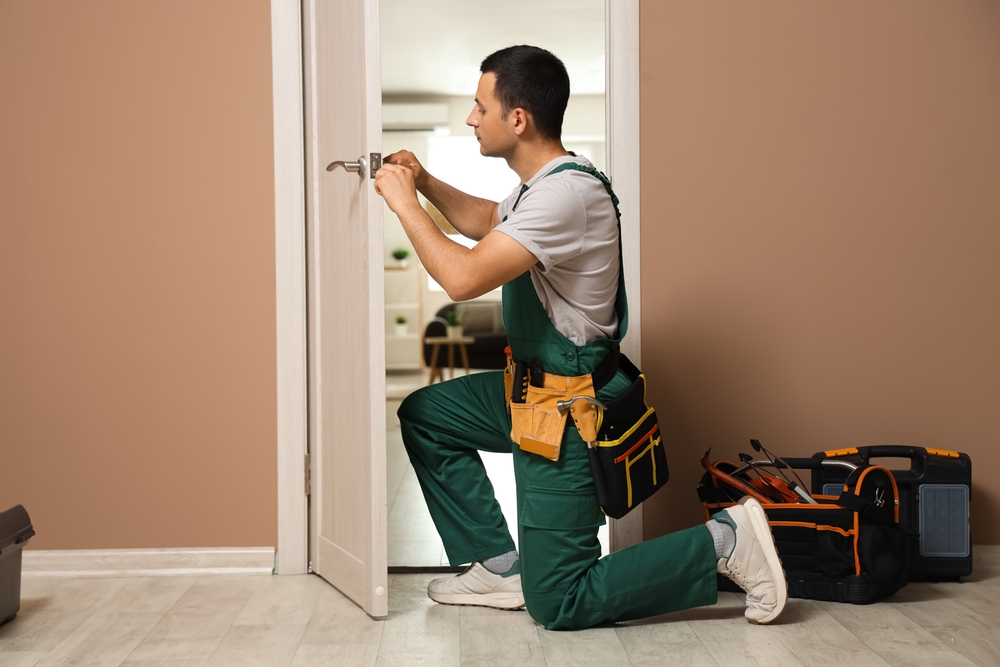
Ensuring the safety of your home and business is a top priority in Fairfax County, VA, where security concerns are ever-present. One of the most often overlooked aspects of home and business security is lock maintenance. While many people assume that locks are a one-time installation that will work indefinitely, they are mechanical devices that require regular care and attention. Regular lock inspections and proper maintenance can help prevent lock malfunctions, enhance security, and save you from the cost of potential repairs or replacements. In this blog, we will explore why regular lock maintenance and inspection are essential for ensuring the safety of your property in Fairfax County.
The Significance of Lock Maintenance in Fairfax County, VA
Locks serve as the first line of defense against unwanted intruders. They play a crucial role in securing doors, windows, safes, and other vulnerable areas of a property. In Fairfax County, where both residential and commercial properties are valued investments, the need for robust security cannot be overstated. Lock maintenance goes beyond simply ensuring that your locks are working. It involves checking the mechanisms, cleaning the internal parts, and making sure that everything is functioning correctly.
Over time, locks can accumulate dirt, dust, and grime, which may cause them to become less effective. Additionally, weather conditions, like humidity or extreme temperatures, can affect the condition of locks, leading to rusting, corrosion, or wear and tear. A malfunctioning lock not only compromises security but may also lead to inconvenience, such as being unable to unlock doors when needed. Regular lock inspections and maintenance can detect these issues before they escalate, preventing costly repairs and avoiding potential security breaches.
Lock maintenance should not be seen as a one-time task but rather an ongoing responsibility. In Fairfax County, where properties are often subject to changing weather patterns and other environmental factors, it is vital to stay on top of lock care to ensure that locks continue to operate at their best.
Benefits of Regular Lock Inspections for Your Home
Home security is a top concern for homeowners in Fairfax County, VA. Whether it is to protect valuable belongings, ensure the safety of family members, or safeguard against break-ins, the integrity of your home’s locks is essential. Regular lock inspections offer multiple benefits for your property’s security.
First and foremost, a lock inspection helps identify potential weaknesses in the locking mechanisms. Locks that are worn down or improperly installed can be easy targets for burglars who are familiar with common lock vulnerabilities. By having a professional locksmith perform regular inspections, you can ensure that all of your locks are functioning properly and securely. This can help prevent break-ins and provide peace of mind knowing that your home is well-protected.
Additionally, regular lock inspections provide an opportunity to upgrade outdated or damaged locks. For instance, older locks may lack the advanced security features found in modern models, leaving your home more susceptible to unauthorized access. A locksmith can recommend and install updated locking systems that enhance the security of your home, such as smart locks, which offer remote control and monitoring capabilities.
Lastly, regular lock inspections allow you to check the overall condition of your property’s security system. A thorough inspection ensures that all access points, including doors, windows, gates, and safes, are adequately secured. This holistic approach to home security maintenance helps prevent vulnerabilities and ensures that every area of your property is safeguarded.
How Lock Maintenance Helps Prevent Emergency Situations
Imagine being locked out of your home or business at the most inconvenient time. Whether it is because a lock is jammed, the key has broken off inside, or a malfunction occurs, emergency lockouts are stressful and frustrating situations that no one wants to experience. Regular lock maintenance can help avoid these emergency scenarios by detecting potential problems before they arise.
For example, one common issue that many property owners face is a worn-out or damaged key that no longer works smoothly with the lock. Over time, keys can become bent, chipped, or worn down, which can cause them to get stuck or break inside the lock. A locksmith can inspect your keys and locks to ensure they are in good working condition and replace or repair any damaged keys. By addressing these issues early, you can avoid being stranded outside your property and prevent the costly expense of having to call an emergency locksmith.
Furthermore, regular lock maintenance can help identify issues with the locking mechanisms themselves. Problems like rust, misalignment, or lack of lubrication can gradually affect how well a lock functions. If left unaddressed, these issues can escalate to the point where the lock completely fails to function, making it impossible to open or close doors and windows. In some cases, this may require replacing the entire lock system, which can be both costly and time-consuming. By staying on top of regular lock inspections, you can avoid these potential issues and ensure that your locks are always in proper working order.
Why You Should Trust Professionals for Lock Inspections and Maintenance
While some property owners may attempt to maintain their locks on their own, it is highly recommended to leave lock inspections and maintenance to the professionals. Locksmiths are trained experts who have the experience and tools necessary to thoroughly inspect, repair, and maintain locks. Hiring a professional locksmith ensures that all aspects of your lock system are checked and properly serviced.
Professional locksmiths have access to the latest technology and equipment, allowing them to diagnose and address issues that may not be immediately obvious to the untrained eye. Whether it’s dealing with high-security locks, electronic locks, or advanced smart locks, locksmiths are equipped with the knowledge and skills to handle a wide variety of locking systems.
Additionally, a professional locksmith will be able to offer advice on how to improve the security of your property. They can recommend upgraded locks or offer tips on how to better secure your home, such as adding additional locks or security features to vulnerable points like windows and gates. A locksmith’s expertise ensures that your home or business is protected with the most up-to-date and reliable locking systems.
The Cost-Effectiveness of Regular Lock Maintenance
While many people may view lock maintenance as an unnecessary expense, it is actually a cost-effective investment in the long run. Regular inspections and maintenance can help you avoid expensive repairs or the need for premature lock replacements. By catching minor issues early, you can prevent them from turning into major problems that require costly interventions.
Moreover, lock maintenance extends the lifespan of your locks. Locks that are properly maintained and serviced regularly will last much longer than those that are left unattended. The money saved from avoiding unnecessary replacements or repairs can be better spent on other security measures for your property, such as upgrading to smart locks or installing a comprehensive security system.
Regular lock maintenance also saves you the frustration and inconvenience of dealing with a malfunctioning lock when you least expect it. Instead of waiting for an emergency to arise, staying proactive about lock care ensures that your locks continue to perform optimally, providing constant security for your home or business.
Conclusion
Lock maintenance and regular inspections are vital for ensuring the security and longevity of your locking systems in Fairfax County, VA. By staying on top of lock care, you can prevent lock malfunctions, enhance security, and save money in the long term. Whether you are a homeowner or a business owner, making lock maintenance a priority will provide peace of mind and help safeguard your property against potential threats. Trust professionals to handle your lock inspections and maintenance, and always ensure your property is secure.
Need a Locksmith in Fairfax, VA?
We have been servicing the Greater Fairfax/DC area for over 40 years with services for residential, commercial, and automotive clients alike. We are proud to offer you the best locksmithing service in Fairfax, Arlington, Loudoun, Prince William counties, and the surrounding communities. Our professional locksmiths are here to handle any job. At Artie’s Lock and Key, we are fully equipped with the latest tools and professionally trained to handle locks of all kinds. Contact us to purchase a new lock, new car key or remote, rekey, or to schedule a job for repair or installation. The team at Artie’s Lock and Key can work on all your transponder keys, commercial locks, panic bars, and more. We are fully licensed, bonded, and insured. Contact us today to learn more about what we can do for you!

When it comes to home security, locks are your first line of defense. While many homeowners prioritize alarm systems and surveillance cameras, regular lock maintenance is often overlooked. However, ensuring that your locks are in optimal condition can make a significant difference in protecting your home from potential break-ins. This is especially important in areas like Fairfax, VA, where maintaining the security of your home is essential. In this blog, we’ll explore why lock maintenance in Fairfax, VA, is crucial, how you can keep your home secure year-round, and when to call a home security locksmith in Fairfax, VA, for professional assistance.
Why Regular Lock Maintenance is Important
Locks endure wear and tear over time due to frequent use, environmental factors, and general aging. Regular lock maintenance ensures that your locks remain functional and continue to provide the level of security you need. Here’s why this is critical:
Preventing Lock Failures
Locks, like any mechanical device, can fail if they are not properly maintained. This can happen at inconvenient times, such as when you’re rushing out the door or trying to secure your home for the night. Routine maintenance prevents these unexpected failures, reducing the risk of being locked out or leaving your home vulnerable to intruders.
Increasing the Lifespan of Your Locks
Locks are an investment in your home security. Without proper maintenance, locks can corrode, rust, or seize up, rendering them useless. Regular upkeep helps increase the lifespan of your locks, saving you money on early replacements.
Enhancing Overall Security
A well-maintained lock operates smoothly and efficiently, making it difficult for intruders to tamper with. Neglected locks may develop weaknesses that criminals can exploit. Regular inspections and maintenance help identify vulnerabilities before they can be used against you.
How to Perform Lock Maintenance
Basic lock maintenance can be performed by homeowners with minimal tools and expertise. Following these steps will help keep your locks in good working order throughout the year.
Lubricate Your Locks
One of the simplest ways to maintain your locks is by lubricating them. Locks should be lubricated at least once a year to ensure that the internal components move freely. Be sure to use a lubricant that is specifically designed for locks, as other lubricants can attract dirt and cause additional wear.
To lubricate your locks:
- Apply the lock lubricant to the keyhole and internal mechanisms.
- Insert the key and turn it a few times to distribute the lubricant evenly.
- Wipe away any excess lubricant to prevent dirt from accumulating.
Check for Wear and Tear
Over time, locks can show signs of wear, including rust, corrosion, or physical damage. Regularly inspect your locks for any signs of deterioration. If you notice that a lock feels loose, difficult to turn, or has visible damage, it may be time for repairs or replacement.
Tighten Loose Screws
Loose screws can cause locks to shift out of alignment, making them harder to operate. Check the screws on your locksets and door handles regularly. Tighten any screws that have come loose to ensure that your locks remain properly aligned and functional.
Clean Your Locks
Dirt and debris can accumulate inside your locks over time, leading to poor performance. Clean your locks by using compressed air to remove dust from the keyhole. If necessary, you can also wipe the exterior of the lock with a damp cloth to remove grime. However, avoid using harsh chemicals or excessive moisture, as these can damage the lock’s internal components.
When to Call a Professional Locksmith
While basic lock maintenance can be handled on your own, there are times when it’s best to call a professional. A home security locksmith in Fairfax, VA, can provide specialized services that go beyond routine maintenance. Here are some situations when you should consider calling a locksmith:
After a Break-In Attempt
If there has been an attempted break-in at your home, your locks may have been compromised. Even if the intruder was unsuccessful, the lock could have been damaged in the process. A locksmith can assess the condition of your locks and repair or replace them as necessary.
When Locks Become Stiff or Difficult to Turn
Over time, locks can become stiff or hard to operate, even with regular lubrication. This is often a sign of internal wear or damage. If you find that your locks are becoming increasingly difficult to use, it’s a good idea to have a professional locksmith evaluate and service them.
Upgrading Your Home Security
In some cases, you may want to upgrade your locks to enhance your home’s security. A professional locksmith can recommend advanced locking mechanisms, such as smart locks or high-security deadbolts, to help protect your home more effectively.
The Role of a Home Security Locksmith in Fairfax, VA
A home security locksmith in Fairfax, VA, offers a variety of services to ensure that your locks are functioning properly and providing maximum protection. In addition to maintenance, locksmiths can assist with lock installation, emergency lockout services, and security assessments. Here are some of the key benefits of hiring a professional locksmith:
Expertise and Experience
Professional locksmiths have the training and experience needed to handle a wide range of lock-related issues. Whether it’s installing a new lock, rekeying an existing one, or repairing a broken mechanism, a locksmith has the tools and knowledge to get the job done right.
Access to Advanced Security Solutions
Locksmiths can provide access to advanced security solutions, such as smart locks, electronic access systems, and biometric locks. These modern technologies offer added layers of protection that traditional locks may not provide. A locksmith can help you choose the best solution for your home’s specific security needs.
Emergency Assistance
If you find yourself locked out of your home, a professional locksmith can provide emergency services to get you back inside quickly. Additionally, if your locks are compromised due to a break-in or mechanical failure, a locksmith can replace or repair the locks immediately to restore your home’s security.
How to Choose the Right Locksmith in Fairfax, VA
When it comes to choosing a locksmith, it’s essential to select a qualified and trustworthy professional. Here are some tips for finding the right home security locksmith in Fairfax, VA:
Check for Licensing and Certification
Ensure that the locksmith you hire is licensed and certified to operate in Virginia. This provides peace of mind that they are knowledgeable and capable of handling your lock maintenance needs.
Read Reviews and Testimonials
Look for reviews and testimonials from previous customers to get a sense of the locksmith’s reputation. A locksmith with positive reviews is more likely to provide reliable and high-quality service.
Ask About Specializations
Some locksmiths specialize in specific areas, such as residential locks, commercial locks, or advanced security systems. Make sure to choose a locksmith who has experience with the type of lock or security system you need assistance with.
Conclusion
Regular lock maintenance is an essential part of keeping your home secure year-round. By lubricating your locks, inspecting them for wear and tear, and tightening loose screws, you can extend the lifespan of your locks and prevent potential failures. However, when issues arise that are beyond basic maintenance, it’s important to call a home security locksmith in Fairfax, VA, to ensure your locks are properly serviced.
Lock maintenance is not just about functionality; it’s about ensuring the safety and security of your home. Take the necessary steps to keep your locks in optimal condition, and enjoy the peace of mind that comes with knowing your home is well-protected.
Need a Locksmith in Fairfax, VA?
We have been servicing the Greater Fairfax/DC area for over 40 years with services for residential, commercial, and automotive clients alike. We are proud to offer you the best locksmithing service in Fairfax, Arlington, Loudoun, Prince William counties, and the surrounding communities. Our professional locksmiths are here to handle any job. At Artie’s Lock and Key we are fully equipped with the latest tools and are professionally trained to handle locks of all kinds. Contact us to purchase a new lock, new car key or remote, rekey, or to schedule a job for repair or installation. The team at Artie’s Lock and Key can work on all your transponder keys, commercial locks, panic bars, and more. We are fully licensed, bonded, and insured. Contact us today to learn more about what we can do for you!
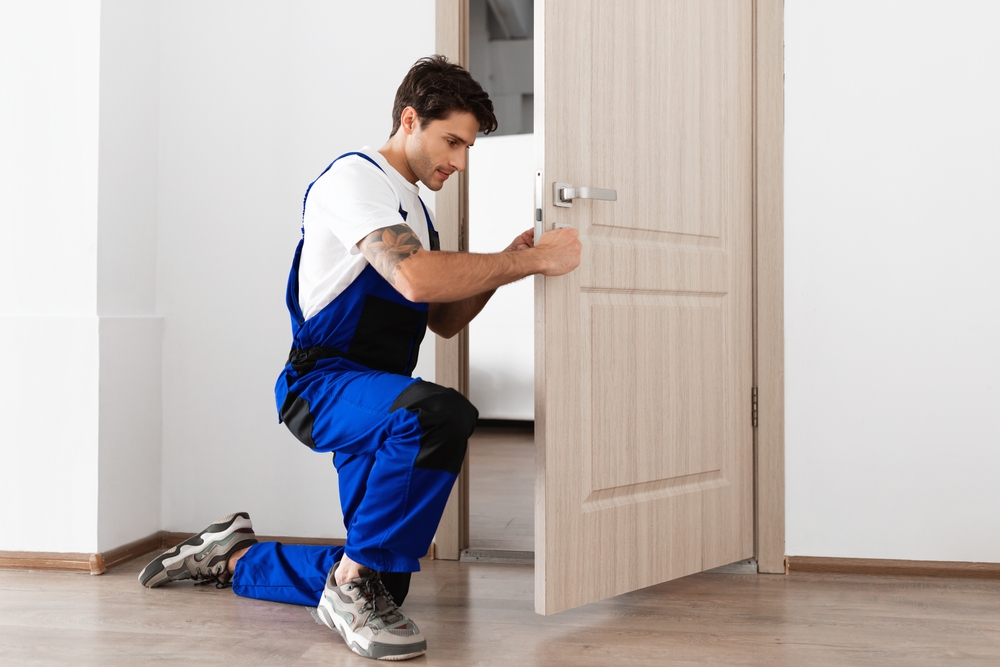
When it comes to securing your home, one of the most crucial, yet often overlooked aspects is the maintenance of your locks. Regular lock maintenance is not just about ensuring that your locks function properly; it’s a vital component in maintaining the overall security of your home. In this blog, we will delve into why regular lock maintenance is essential and provide you with some practical home lock maintenance tips to enhance your home’s security.
Why Regular Lock Maintenance Matters
Preventing Security Breaches
One of the primary reasons for regular lock upkeep is to prevent security breaches. Locks that are not well-maintained can become faulty, making it easier for intruders to gain access to your home. A malfunctioning lock might not engage properly, leaving your home vulnerable. By performing regular maintenance, you ensure that your locks operate as intended, significantly reducing the risk of unauthorized entry.
Avoiding Costly Repairs
Regular maintenance can also save you money in the long run. When locks are neglected, small issues can develop into major problems that require expensive repairs or replacements. By addressing minor issues promptly, you can avoid the need for more costly interventions. This proactive approach not only keeps your home secure but also helps in budgeting for home maintenance.
Extending Lock Lifespan
Locks, like any mechanical component, have a finite lifespan. Regular upkeep helps extend this lifespan by ensuring that the locks are in good working condition. Routine checks and maintenance can prevent wear and tear, allowing your locks to function efficiently for a longer period. This means fewer replacements and more reliable home security.
Home Lock Maintenance Tips
1. Lubricate Your Locks
One of the simplest yet most effective home lock maintenance tips is to regularly lubricate your locks. Over time, dust and grime can accumulate inside the lock, causing friction and making it harder for the key to turn. Using a graphite-based lubricant can keep the internal mechanisms running smoothly. Avoid using oil-based lubricants, as these can attract more dirt and debris.
2. Check for Rust and Corrosion
Locks exposed to the elements, such as those on exterior doors, can be prone to rust and corrosion. Regularly inspect your locks for any signs of rust or corrosion. If you notice any, clean the affected areas with a wire brush or sandpaper and apply a rust-resistant primer and paint. This will not only keep your locks functioning well but also enhance their durability against the elements.
3. Test Lock Functionality
Ensure that you test the functionality of your locks regularly. This includes checking that the key turns smoothly, the latch engages properly, and the lockbolt extends fully. If you experience any difficulty, it may indicate that the lock needs adjustment or repair. Addressing these issues early on can prevent more significant problems down the line.
4. Inspect Key and Lock Alignment
Misalignment between the key and lock can cause difficulties when locking or unlocking your door. Regularly inspect the alignment of the key with the lock. If you notice any misalignment, it may be necessary to adjust the strike plate or the lock itself. Proper alignment ensures that the lock functions correctly and maintains a high level of security.
5. Clean and Maintain Keyholes
Keyholes can accumulate dirt and debris over time, which can affect the lock’s performance. Use a can of compressed air to blow out any debris from the keyhole. Additionally, avoid using harsh chemicals or solvents that could damage the lock mechanism. Keeping the keyhole clean ensures that the key turns smoothly and reduces wear and tear on the lock.
6. Replace Worn or Damaged Parts
Regularly inspect your locks for any signs of wear or damage. Components such as the latch, strike plate, and key can become worn out over time. Replace any worn or damaged parts promptly to ensure that your lock remains secure and functional. Ignoring these issues can lead to more significant problems and compromise your home’s security.
7. Schedule Professional Inspections
While regular DIY maintenance is crucial, it’s also beneficial to schedule professional inspections of your locks. A locksmith can provide a thorough assessment of your lock system and identify any potential issues that may not be apparent during regular checks. Professional inspections can help you address any underlying problems and ensure that your home security remains at its best.
Conclusion
Regular lock maintenance is a fundamental aspect of home security that should not be overlooked. By following these home lock maintenance tips, you can ensure that your locks remain in excellent condition, thereby enhancing the security of your home. From lubricating and cleaning to professional inspections, each step plays a crucial role in maintaining the functionality and effectiveness of your locks. Remember, a well-maintained lock is not just a convenience—it’s a key element in keeping your home safe and secure.
Need a Locksmith in Vienna, VA?
We have been servicing the Greater Fairfax/DC area for over 40 years with services for residential, commercial, and automotive clients alike. We are proud to offer you the best locksmithing service in Fairfax, Arlington, Loudoun, Prince William counties and the surrounding communities. Our professional locksmiths are here to handle any job. At Artie’s Lock and Key we are fully equipped with the latest tools and are professionally trained to handle locks of all kinds. Contact us to purchase a new lock, new car key or remote, rekey, or to schedule a job for repair or installation. The team at Artie’s Lock and Key can work on all your transponder keys, commercial locks, panic bars, and more. We are fully licensed, bonded, and insured. Contact us today to learn more about what we can do for you!