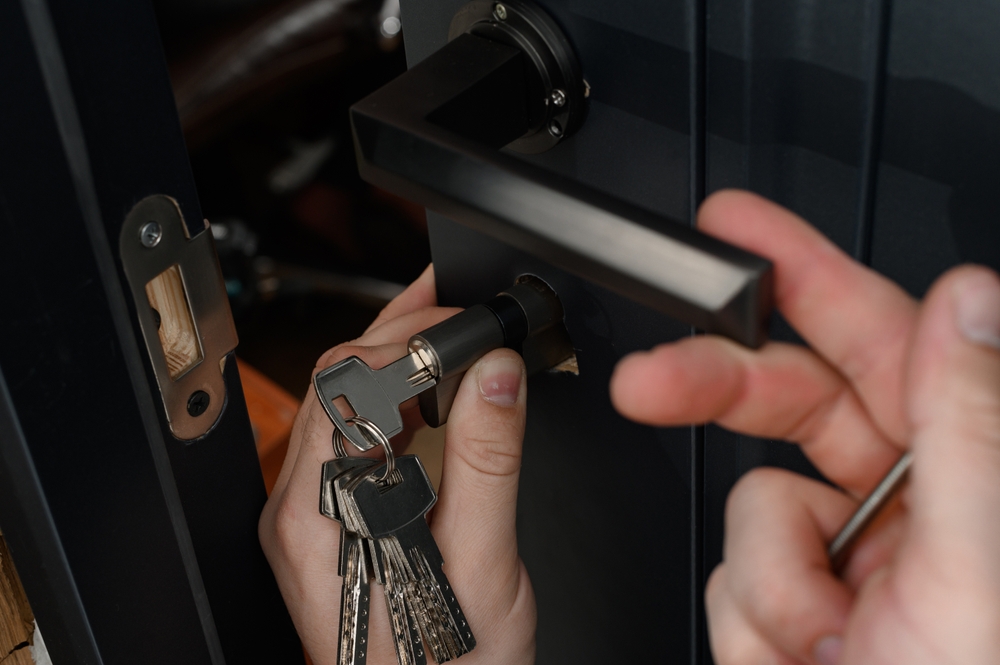
The security of a home or business does not depend solely on alarms or cameras, it begins with strong mechanical protection at entry points. Locks serve as the first safeguard that prevents unauthorized access. Over time exposure to weather, repeated daily use, and evolving security risks can affect how well a lock performs. This is why understanding changing locks frequency is an essential part of responsible property maintenance. Many people assume that once a lock is installed it will last indefinitely, yet like any hardware it has a finite lifespan. A thoughtful plan combined with practical lock replacement tips can help keep your property secure year after year.
Security concerns continue to shift as technology evolves. Smart locks have different lifecycles than traditional keyed mechanisms, although neither should be ignored once installed. Even the best models can develop hidden vulnerabilities over time. By taking a proactive approach and learning how often you should review your security readiness, you can avoid gaps that create opportunities for intruders. This overview will help you understand the ideal lock lifecycle advice for homes and businesses and give you actionable guidance to maintain safety without guesswork.
Situations That Require Immediate Lock Replacement
There are moments when waiting is not an option. If you have recently moved into a new home or office, replacing every exterior lock should be one of your first steps. You cannot know how many copies of your keys have circulated among tenants, contractors, or real estate agents. Fresh locks restore full control over who has access. Anytime a key is lost, stolen, or in someone else’s possession longer than expected, your locks should also be changed. Even if the key eventually returns, you have no assurance that a duplicate was not created.
Break ins or attempted break ins also call for immediate replacement. Even if the hardware appears intact, subtle internal damage can weaken the mechanism. An intruder might have used tools that created pressure or small fractures which reduce the lock’s reliability. This is not the moment to rely on visual inspection alone. After domestic disputes, roommate changes, or staff turnover at a business, lock changes can protect against unauthorized reentry. These situations require security that aligns with your current circumstances rather than past arrangements.
Another urgent scenario involves damaged or deteriorating locks. If you notice grinding, sticking, loose housing, or difficulty turning the key, the mechanism may already be compromised. Weather worn locks in coastal or humid climates can degrade faster than expected. Once corrosion begins to interfere with internal components, replacement is the safest plan. When a lock no longer functions smoothly, it signals the end of its dependable lifespan and should not be ignored.
How Long Locks Typically Last
Most traditional locks last several years, yet their true longevity depends on use, quality, and environment. A high quality deadbolt on a residential door that receives light to moderate use may perform well for ten years or longer. However, locks on rental properties or commercial buildings experience frequent daily operation which accelerates wear. In these settings the changing locks frequency should be higher because internal components face constant friction.
Climate also plays a major role in lock lifespan. In areas with extreme temperatures or long winter seasons, metal expands and contracts which strains internal parts. Coastal regions often deal with salt exposure that can corrode metal more rapidly. Dirt, moisture, and airborne pollutants can accumulate inside a lock and shorten its functional life. Even the best models eventually succumb to these factors. Reviewing and updating locks every few years is a wise practice to maintain predictability in your security system.
Smart locks add another layer of complexity because they rely on electronics, software, and power sources. Their mechanical parts may last a long time, but the digital components can become outdated or vulnerable. Firmware updates help maintain performance, yet older units may not support new security protocols. When evaluating smart lock lifespan, consider both the mechanical structure and the technological relevance. Updating them every few years ensures you stay ahead of emerging cybersecurity risks.
Signs That It Is Time to Change Your Locks
Most locks provide subtle warnings before failure. Difficulty inserting or removing the key is one early sign. If you have to jiggle or force the key, internal alignment may be deteriorating. A well functioning lock should operate smoothly with minimal resistance. Noise is another clue. Grinding or scraping sounds indicate metal parts rubbing or catching where they should not. Over time this can lead to complete malfunction.
Keys that turn freely without engaging the bolt suggest internal wear. This problem often surprises property owners because the exterior appears fine even as internal parts weaken. If your lock wiggles within the door or the strike plate no longer lines up properly, the integrity of the installation has been compromised. These issues decrease the lock’s ability to resist forced entry.
Another indicator is outdated design. Older locks may lack anti bumping or anti picking features that are now standard in modern hardware. Criminal techniques evolve constantly and relying on aging locks can leave you vulnerable. Industry professionals regularly advise property owners to assess lock age and security level rather than waiting for failure. These assessments create a reliable schedule instead of reacting only when problems appear.
Human factors also influence replacement decisions. If you have lent out keys to service providers, former partners, or temporary guests, you might not know where all copies reside. Rekeying is a cost effective solution in some cases, but full replacement may be the better option when locks are also aging or when the internal structure has already experienced wear. This approach brings peace of mind because you regain full control over access.
How Often Should You Change Your Locks
Many experts recommend reviewing exterior locks at least every three to five years, although some properties require more frequent updates. This period aligns with typical mechanical wear patterns and ensures your security reflects your current needs. For high traffic commercial spaces, annual evaluation is more appropriate. Locks that are used dozens of times every day face much heavier stress. Replacing them at shorter intervals maintains consistent protection.
For homeowners, circumstances often dictate timing. Significant life changes may require an immediate reset of access privileges. Moving into a new place, adding or removing household members, or hiring in home staff can all shift your security needs. These moments provide a natural opportunity to upgrade locks and integrate newer models with improved features.
Using a proactive schedule rather than waiting for failure is central to smart lock lifecycle advice. Modern locks offer advanced materials and reinforced designs that are far more resilient than older versions. Updating on a regular cycle allows you to benefit from these advancements. In addition, modern construction standards continue to raise expectations for home and business security. By keeping pace, you prevent gaps in protection that might arise due to outdated hardware.
Rekeying can sometimes serve as a temporary alternative, but it does not resolve mechanical aging. If your lock is already showing signs of wear, rekeying only changes who can access the door, not how long the mechanism will last. Replacement remains the better long term solution because it restores both strength and reliability.
Conclusion
Changing your locks is more than a response to emergencies, it is a key component of maintaining long term security. Every lock has a predictable lifecycle that depends on quality, usage, and environmental conditions. By paying attention to early signs of wear and updating hardware at regular intervals, you create a strong foundation of protection. Applying practical lock replacement tips ensures you stay ahead of threats instead of reacting after a security lapse occurs.
Understanding changing locks frequency helps you plan proactively rather than guessing when updates are needed. New technology, shifting household arrangements, and evolving safety standards make regular evaluation essential. With the right lock lifecycle advice, you can maintain a secure property that adapts to your needs and remains resilient against risks for many years.
Need a Locksmith Near You?
We have been servicing the Greater Fairfax/DC area for over 40 years with services for residential, commercial, and automotive clients alike. We are proud to offer you the best locksmithing service in Fairfax, Arlington, Loudoun, Prince William counties, and the surrounding communities. Our professional locksmiths are here to handle any job. At Artie’s Lock and Key, we are fully equipped with the latest tools and professionally trained to handle locks of all kinds. Contact us to purchase a new lock, new car key or remote, rekey, or to schedule a job for repair or installation. The team at Artie’s Lock and Key can work on all your transponder keys, commercial locks, panic bars, and more. We are fully licensed, bonded, and insured. Contact us today to learn more about what we can do for you!
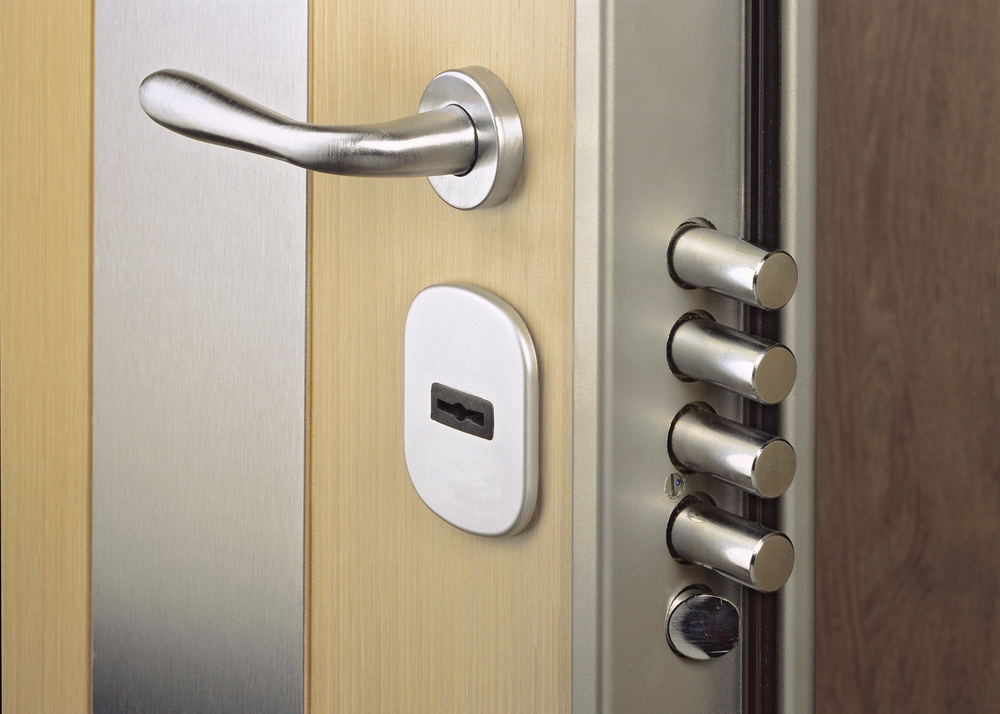
Whether for residential or commercial properties, the integrity of locks plays a vital role in safeguarding occupants, assets, and sensitive information. As security threats become increasingly sophisticated, relying on standard locks can leave homes and businesses vulnerable. This is where the advantages of upgrading to secure locks for home and business environments become clear. Embracing high-security locking systems is no longer a luxury, but an essential component of comprehensive property protection.
The Need for High-Security Locks
Most traditional locks are designed to provide basic security, but many are susceptible to common breaches such as lock picking, bumping, or drilling. Criminals often target properties with standard locks because they present easier opportunities for unauthorized access. Secure locks for home and business applications are specifically engineered to counteract these threats, incorporating advanced technology and design enhancements that make unauthorized entry significantly more difficult.
High-security locks typically feature complex keyways, hardened steel components, and unique locking mechanisms resistant to tampering. Businesses, in particular, deal with sensitive customer data, valuable equipment, and high-traffic access points, making robust security infrastructure crucial. Homeowners, too, need the peace of mind that comes from knowing their family and belongings are shielded behind state-of-the-art locking solutions.
Key Benefits of High-Security Locks
One of the foremost high-security lock benefits is enhanced resistance against forced entry techniques. Unlike conventional locks, these advanced systems are built to withstand lock picking, drilling, and other manipulation methods. Their durable construction, often involving hardened steel and anti-drill plates, provides physical robustness that prevents break-ins even when determined intruders attempt entry.
Additionally, many high-security locks offer patented key control. This feature ensures that key duplication is tightly regulated, usually requiring authorization or manufacturer involvement for new copies. This prevents unauthorized key duplication, a common vulnerability in standard locks where keys can be easily copied without the owner’s knowledge. For businesses, this means tighter control over who has access to critical areas, and for homeowners, it removes the worry of keys falling into the wrong hands.
Some secure locks for home and business setups also integrate with digital technologies, such as keycards, biometric scanners, or mobile app controls. These smart solutions provide real-time access management and monitoring capabilities, allowing property owners to track entry attempts, grant or revoke access remotely, and receive immediate alerts when suspicious activity occurs.
Business Advantages of Upgraded Security Locks
For business owners, upgrading to high-security locks can have both operational and financial benefits. Protecting valuable assets such as computers, stock inventory, and confidential data reduces the risk of theft-related losses. In sectors where sensitive information must be safeguarded—like finance, law, and healthcare—investing in top-tier locks is often a regulatory requirement to maintain compliance with industry standards.
Furthermore, enhanced security infrastructure can potentially lower insurance premiums. Insurers often recognize the reduced risk associated with properties equipped with high-security locks and may offer discounted rates as a result. This can translate into significant long-term savings for businesses while strengthening their overall security posture.
High-security locks also support internal access management within businesses. Commercial spaces often require varying levels of access among employees. Using secure locks with master key systems or digital controls allows organizations to customize access permissions based on roles and responsibilities. This not only protects sensitive areas but also streamlines operations, reducing the need for multiple physical keys and improving overall security oversight.
Residential Protection with High-Security Locks
Homeowners have increasingly realized the high-security lock benefits that commercial property owners have long understood. Modern families prioritize safety, particularly in urban and suburban areas where burglary rates can be higher. Installing secure locks for home use enhances protection against external threats, giving residents confidence that their living space is well-defended.
In addition to protecting valuables, high-security locks contribute to the safety of loved ones. Advanced locks on entry points such as front doors, back entrances, and garages create a formidable barrier against intruders. For families who travel frequently, the ability to monitor and control locks remotely via smart integrations offers further peace of mind.
Moreover, many homeowners are now seeking seamless integration between high-security locks and broader home automation systems. Locks that sync with alarm systems, surveillance cameras, and smart home hubs provide holistic control and monitoring. This convergence of technologies not only bolsters security but also enhances convenience by allowing homeowners to manage various aspects of their home environment from a single interface.
Making the Investment: Long-Term Value of High-Security Locks
Upgrading to high-security locks is not merely an expense—it’s a long-term investment in property safety and operational efficiency. While high-security locks often come with a higher upfront cost compared to standard models, the value they deliver over time far outweighs the initial expenditure. By reducing the risk of break-ins, protecting valuable assets, and minimizing insurance costs, these locks can yield tangible financial returns while also providing invaluable peace of mind.
Property owners should view secure locks for home and business as a fundamental layer of their overall security strategy. When combined with surveillance systems, alarm technologies, and vigilant access management, high-security locks become a powerful deterrent against both opportunistic and targeted intrusions.
Conclusion
The growing prevalence of sophisticated criminal tactics necessitates advanced security solutions for both residential and commercial environments. High-security lock benefits extend far beyond mere physical protection—they empower property owners with control, flexibility, and confidence. By investing in high-quality, tamper-resistant locking mechanisms, homeowners and business operators alike can ensure their properties remain safeguarded against modern security threats, establishing a solid foundation for safety and resilience in an uncertain world.
Need a Locksmith Near You?
We have been servicing the Greater Fairfax/DC area for over 40 years with services for residential, commercial, and automotive clients alike. We are proud to offer you the best locksmithing service in Fairfax, Arlington, Loudoun, Prince William counties, and the surrounding communities. Our professional locksmiths are here to handle any job. At Artie’s Lock and Key, we are fully equipped with the latest tools and professionally trained to handle locks of all kinds. Contact us to purchase a new lock, new car key or remote, rekey, or to schedule a job for repair or installation. The team at Artie’s Lock and Key can work on all your transponder keys, commercial locks, panic bars, and more. We are fully licensed, bonded, and insured. Contact us today to learn more about what we can do for you!

When it comes to home security, choosing the right lock for your doors is essential. Homeowners today are faced with two main options: smart locks and traditional locks. Both types offer distinct benefits and challenges, but how do you determine which is the best choice for your home? In this blog, we’ll dive deep into smart locks vs traditional locks in Fairfax VA, helping you make an informed decision.
Understanding Traditional Locks
Traditional locks, typically deadbolts and key-operated locks, have been used for centuries to secure homes. They are mechanical devices that operate using physical keys to engage or disengage the lock. While the technology behind traditional locks has evolved, the basic principles have remained the same.
Pros of Traditional Locks
- Simplicity and Reliability: Traditional locks are straightforward and reliable. Without relying on batteries, Wi-Fi, or other technology, these locks are purely mechanical, which means there is less room for error. As long as you have your key, you can lock or unlock your door without concern for technical glitches.
- Affordable and Easy to Replace: In general, traditional locks are more affordable than smart locks. Replacing or rekeying traditional locks is a relatively inexpensive and straightforward process. Many homeowners in Fairfax, VA, opt for traditional locks because they are budget-friendly and offer dependable security.
- Familiarity: Many homeowners feel comfortable with the reliability and familiarity of traditional locks. Since they’ve been around for so long, people trust their effectiveness and know exactly how to use them.
Cons of Traditional Locks
- Lost or Stolen Keys: One of the most significant drawbacks of traditional locks is the risk of losing your key. A lost key can result in expensive locksmith services or rekeying costs. If your keys are stolen, it poses an immediate security risk to your home.
- Physical Damage: Traditional locks can wear out or become damaged over time, especially if exposed to extreme weather conditions. Corrosion or physical tampering may cause the lock to malfunction.
- No Remote Access: Traditional locks do not provide remote access. If you forget to lock the door when you leave home, you have no way to secure it remotely. Similarly, granting access to guests or service workers when you’re not home can be difficult without being physically present to hand over a key.
Exploring Smart Locks
Smart locks have gained popularity in recent years due to their advanced technology and added convenience. These locks can be operated remotely via smartphone apps, voice assistants, or keypads. They are designed to integrate seamlessly into modern smart homes.
Pros of Smart Locks
- Convenience and Remote Access: One of the biggest advantages of smart locks is the ability to lock or unlock your door from anywhere using your smartphone. Whether you’re at work, on vacation, or simply in another room, you can manage access to your home. This is particularly useful if you need to let someone in when you’re not home or if you forget to lock the door after leaving.
- Enhanced Security Features: Many smart locks offer advanced security features such as activity logs, which allow you to track who enters and exits your home. You can also create temporary access codes for guests or service providers, giving you full control over your home’s security.
- Keyless Entry: With smart locks, you don’t have to worry about losing keys. Most models offer keyless entry options such as using a keypad, fingerprint scanner, or smartphone app. This eliminates the risk of being locked out or needing to rekey your locks.
- Integration with Smart Home Systems: For tech-savvy homeowners, smart locks can integrate with other smart home devices like security cameras, doorbells, and alarms. This creates a cohesive security system that enhances overall protection for your home.
Cons of Smart Locks
- Cost: Smart locks tend to be more expensive than traditional locks, both in terms of the initial investment and installation. Depending on the model and features, the price difference can be significant. Some smart locks also require monthly subscription fees for certain features, such as remote monitoring.
- Technical Glitches: Like any technology, smart locks are not immune to malfunctions. Connectivity issues, low batteries, or system bugs can prevent the lock from functioning properly. If your Wi-Fi goes down or your lock’s battery dies, you may be locked out of your home until the issue is resolved.
- Cybersecurity Concerns: Smart locks rely on wireless communication, making them susceptible to hacking or unauthorized access. Although manufacturers implement security measures, no device is entirely immune to cyberattacks. It’s crucial to choose reputable brands and ensure your smart lock is regularly updated to minimize risks.
Key Differences Between Smart Locks and Traditional Locks
Now that we’ve explored the pros and cons of both types of locks, let’s compare them in key areas to help you decide the best home security locks in Fairfax, VA.
Security
Both smart locks and traditional locks offer high levels of security, but smart locks provide added convenience and monitoring features. Traditional locks, on the other hand, are less prone to technical issues but require physical access to unlock.
Convenience
When it comes to convenience, smart locks win by a landslide. Remote access, keyless entry, and integration with other smart devices make smart locks an excellent choice for homeowners who value convenience. Traditional locks are simpler but lack the flexibility of remote management.
Cost
For homeowners on a budget, traditional locks are the more affordable option. Smart locks can be expensive, especially if you want advanced features or a brand that offers high security. However, the added convenience and security of smart locks may justify the extra cost for some homeowners.
Durability
Traditional locks tend to be more durable because they don’t rely on batteries or electronics. Smart locks can experience battery failure or connectivity issues, which may reduce their long-term durability. However, high-quality smart locks are designed to withstand daily use and external weather conditions.
Aesthetic and Style
Smart locks generally offer a more modern and sleek design compared to traditional locks. For homeowners who care about the aesthetics of their security devices, smart locks can add a contemporary look to the front door. Traditional locks, while often less visually appealing, come in a variety of finishes and styles to match classic home designs.
Choosing the Right Lock for Your Home in Fairfax, VA
Deciding between smart locks vs traditional locks in Fairfax, VA, ultimately depends on your lifestyle, security needs, and budget. If you prioritize convenience and advanced features, smart locks may be the best home security locks in Fairfax, VA, for you. On the other hand, if you prefer reliability, simplicity, and affordability, traditional locks remain a solid choice.
For homeowners who want the best of both worlds, consider a hybrid solution. Many smart locks come with a physical key option, allowing you to enjoy the benefits of both modern technology and the security of a traditional lock.
Conclusion
Both smart locks and traditional locks have their advantages and disadvantages. While smart locks offer advanced features, remote access, and convenience, traditional locks provide simplicity and reliability at a lower cost. Whether you choose smart locks vs traditional locks in Fairfax, VA, ensure you select a high-quality product that fits your security needs.
Ifyou’ree looking for expert guidance on finding the best home security locks in Fairfax, VA, consider reaching out to local professionals who can assess your needs and recommend the most suitable option for your home.
Need a Locksmith in Fairfax, VA?
We have been servicing the Greater Fairfax/DC area for over 40 years with services for residential, commercial, and automotive clients alike. We are proud to offer you the best locksmithing service in Fairfax, Arlington, Loudoun, Prince William counties, and the surrounding communities. Our professional locksmiths are here to handle any job. At Artie’s Lock and Key, we are fully equipped with the latest tools and professionally trained to handle locks of all kinds. Contact us to purchase a new lock, new car key or remote, rekey, or to schedule a job for repair or installation. The team at Artie’s Lock and Key can work on all your transponder keys, commercial locks, panic bars, and more. We are fully licensed, bonded, and insured. Contact us today to learn more about what we can do for you!
 Changing locks is something that most people will have to do at some point in their lives. Whether you have recently moved into a new house, lost your keys, or simply want to upgrade your security, knowing how to change a lock can save you time and money. In this blog post, we will explore whether changing a lock is an easy task or if it is better left to the professionals.
Understanding Different Types of Locks:
Before delving into the process of changing a lock, it is important to familiarize yourself with the different types of locks available. The most common types include pin tumbler locks, wafer tumbler locks, and electronic locks. Each type has its own unique features and installation process, so it is crucial to determine the type of lock you intend to change before proceeding.
Assessing the Difficulty Level:
Now that you have established the type of lock you are dealing with, it is time to assess the difficulty level of changing it yourself. Generally, changing a lock can range from easy to moderately challenging, depending on your experience and the complexity of the lock.
Factors to Consider:
Several factors play a role in determining the ease of changing a lock, including your handyman skills, knowledge about locks, and the tools available to you. If you have prior experience with DIY projects and feel confident in your abilities, changing a lock may prove to be a straightforward task. However, if you lack experience or are uncertain about the process, it might be best to seek professional help.
DIY Steps for Changing a Lock:
For those who are interested in attempting to change a lock themselves, here are some general steps to follow:
1. Gather the necessary tools: Before you begin, make sure you have the appropriate tools on hand. Common tools include a screwdriver, a drill with the correct drill bit, and a new lockset.
2. Remove the old lock: Start by removing the existing lock from the door. Unscrew any screws holding the lock in place and carefully detach it from the door. Be sure to keep track of all screws and components.
3. Measure and prepare: Take measurements of the old lock so that you can properly install the new lockset. Prepare the new lockset by removing any packaging and reading the manufacturer’s instructions.
4. Install the new lock: Follow the manufacturer’s instructions to install the new lockset in the door. Ensure that you align all parts correctly and securely attach the lock to the door using the provided screws.
5. Test the lock: Once the new lock is installed, test it to ensure it is functioning correctly. Ensure that the latch retracts smoothly, and the key turns smoothly in the lock.
Seeking Professional Assistance:
While the steps mentioned above may seem simple, it is essential to realize that each lock type may have its own unique quirks and challenges. Professional locksmiths have extensive knowledge and experience in handling various locks, making them better equipped to overcome any unexpected obstacles during the installation process.
Advantages of Hiring a Professional:
There are several advantages to hiring a professional locksmith to change your locks:
1. Expertise: Professional locksmiths have a deep understanding of different lock mechanisms and possess the necessary tools to handle any issues that may arise.
2. Time-saving: Changing a lock yourself can be time-consuming, especially if you encounter difficulties or make mistakes along the way. Hiring a professional locksmith ensures that the task is completed efficiently, saving you time and effort.
3. Security assurance: Professional locksmiths can provide expert advice on the best lock options for your specific needs, ensuring you have a secure and reliable lock system in place.
Summary:
Changing a lock can be a relatively straightforward task if you have the necessary skills and knowledge. However, for individuals without previous experience or who are unsure about the process, it is recommended to seek the assistance of a professional locksmith. They possess the expertise, tools, and resources to ensure a smooth and secure lock replacement process, providing you with peace of mind and enhanced security for your home or property.
Need a Locksmith in Fairfax, VA?
We have been servicing the Greater Fairfax/DC area for over 40 years with services for residential, commercial, and automotive clients alike. We are proud to offer you the best locksmithing service in Fairfax, Arlington, Loudoun, Prince William counties and the surrounding communities. Our professional locksmiths are here to handle any job. At Artie’s Lock and Key we are fully equipped with the latest tools and are professionally trained to handle locks of all kinds. Contact us to purchase a new lock, new car key or remote, rekey, or to schedule a job for repair or installation. The team at Artie’s Lock and Key can work on all your transponder keys, commercial locks, panic bars, and more. We are fully licensed, bonded, and insured. Contact us today to learn more about what we can do for you!
 Changing a lock is a common task that many homeowners and business owners need to undertake at some point. Whether it’s due to a lost key, the need for enhanced security, or simply a desire to update the look of your property, changing a lock is a relatively straightforward process. However, like any DIY project, it’s important to have a clear understanding of how long it might take to change a lock, so you can plan your time accordingly. In this blog post, we will explore the average time it takes to change a lock, along with some factors that may contribute to varying time estimates.
1. Assessing the Lock and Tools Preparation
Before embarking on the actual lock-changing process, it’s essential to assess the lock and gather the necessary tools. This preliminary step is crucial to ensure a smooth and efficient lock replacement. On average, this initial assessment and tool preparation can take around 15 to 20 minutes. This time frame may increase if you encounter any complications or if you are unfamiliar with the specific lock model.
2. Removing the Old Lock
The next step in changing a lock is removing the old one. This process typically involves unscrewing or removing any screws, bolts, or latch plates holding the lock in place. The average time to remove an old lock ranges from 10 to 15 minutes. However, if the lock is rusted, damaged, or has any other complications, it could add an additional 5 to 10 minutes.
3. Choosing and Fitting the New Lock
Choosing a new lock that suits your specific needs and preferences is an important step in the lock-changing process. This involves considering factors such as security levels, key types, and lock styles. The time required for this step varies significantly depending on individual decision-making and research. On average, it may take 15 to 25 minutes to choose and purchase a new lock.
Once you have the new lock, fitting it into the door is the next crucial step. This process generally involves aligning the lock cylinder with the latch mechanism and securing it with screws or bolts. The average time it takes to fit a new lock ranges from 10 to 15 minutes. However, if any adjustments or modifications are necessary to ensure a perfect fit, it could add an additional 5 to 10 minutes to the process.
4. Testing and Ensuring Proper Lock Functionality
Once the lock has been installed, it’s important to test its functionality to ensure it operates smoothly and provides adequate security. Testing involves turning the key, locking and unlocking the door, and checking the alignment of the latch. On average, this testing and adjustment process can take approximately 10 minutes. However, if any issues arise during the testing phase, such as sticking keys or misaligned latches, it may require an additional 5 to 10 minutes to address those problems.
5. Making Duplicate Keys
Finally, after successfully changing the lock and ensuring its proper functionality, it’s advisable to make duplicate keys for convenience and emergency purposes. The time required for making duplicate keys highly depends on the key duplication method chosen. If you have access to a key cutting machine or visit a locksmith, it could take around 5 to 10 minutes per key. However, other methods, such as visiting a hardware store or ordering online, may involve additional waiting time.
Summary
Changing a lock can be completed within a few hours, depending on various factors. The average time estimates provided in this blog post give a general idea of the length of each step involved in the process. However, it’s important to remember that unexpected complications or personal proficiency levels can influence the actual time required to change a lock. If you lack the necessary skills or are unsure about the process, it’s always wise to seek professional help from a locksmith to ensure a reliable and efficient lock replacement.
Need a Locksmith in Fairfax, VA?
We have been servicing the Greater Fairfax/DC area for over 40 years with services for residential, commercial, and automotive clients alike. We are proud to offer you the best locksmithing service in Fairfax, Arlington, Loudoun, Prince William counties and the surrounding communities. Our professional locksmiths are here to handle any job. At Artie’s Lock and Key we are fully equipped with the latest tools and are professionally trained to handle locks of all kinds. Contact us to purchase a new lock, new car key or remote, rekey, or to schedule a job for repair or installation. The team at Artie’s Lock and Key can work on all your transponder keys, commercial locks, panic bars, and more. We are fully licensed, bonded, and insured. Contact us today to learn more about what we can do for you!