Technology has revolutionized our homes, making them smarter and more secure. One such advancement is the introduction of smart locks. Unlike traditional locks, smart locks offer a range of innovative features that provide convenience, enhanced security, and peace of mind. In this blog post, we will explore the advantages of installing a smart lock in your home, highlighting how this simple upgrade can transform your daily life and bolster your overall security.
1. Keyless Entry and Convenience
Gone are the days of fumbling for keys or worrying about lost or misplaced keys. With a smart lock, keyless entry becomes a reality. Most smart locks allow you to unlock your door using various methods such as smartphone apps, keypads, or even biometric identification like fingerprints or facial recognition. This convenience is especially beneficial for busy individuals who have their hands full or need to grant temporary access to guests or service providers remotely. By eliminating the need for keys, smart locks simplify access control and offer a seamless entry experience.
2. Remote Access and Control
One of the standout features of smart locks is the ability to control and monitor your locks remotely. With a connected smartphone app, you can lock and unlock your door from anywhere in the world. This is particularly useful when you need to grant access to family members or friends while you are away or provide entry to trusted service providers. Remote access also enables you to check the status of your lock in real-time, ensuring that your home is securely locked no matter where you are. Additionally, some smart locks offer integration with smart home systems, allowing you to automate and customize access control based on your preferences.
3. Enhanced Security Features
Smart locks offer advanced security features that surpass traditional locks. Firstly, most smart locks have built-in tamper-resistant mechanisms that are designed to withstand physical attacks and unauthorized attempts to bypass the lock. Additionally, smart locks provide activity logs, which keep a record of every lock and unlock event. This feature allows you to monitor and track the comings and goings at your doorstep, giving you peace of mind about who is accessing your home. Some smart locks also offer alerts or notifications that can be configured to send notifications to your smartphone when someone enters or exits your home, enabling you to stay informed about any activity on your property.
4. Integration with Smart Home Systems
Smart locks integrate seamlessly with other smart home systems, creating a unified and connected home ecosystem. Integration with devices such as security cameras, video doorbells, and home automation systems allows for comprehensive access control and monitoring. For example, when someone rings the doorbell, a smart lock can be set to automatically unlock, allowing you to remotely grant access or monitor the person at your doorstep. Integration with home automation also enables you to create personalized routines, such as automatically locking the doors at a specific time or when you activate the “Goodbye” mode on your smart home system, offering an added layer of convenience and security.
5. Temporary Access and Guest Management
Smart locks allow you to easily manage temporary access for guests, housekeepers, or service providers. With a few taps on your smartphone app, you can create time-limited digital keys that grant access to specific individuals during a specified period. This eliminates the need for physical key exchanges and provides you with complete control over who can enter your home and when. Furthermore, these digital keys can be revoked or deactivated at any time, ensuring that access is strictly limited to authorized individuals. This feature is particularly beneficial for short-term rentals or Airbnb hosts, as it offers a secure and hassle-free way to manage guests’ access without compromising security.
Conclusion
As technology continues to evolve, smart locks have become an integral part of modern home security systems. The advantages of installing a smart lock are numerous, including keyless entry convenience, remote access and control, enhanced security features, seamless integration with smart home systems, and efficient guest management. By upgrading to a smart lock, homeowners can enjoy a more convenient and secure experience, knowing that their homes are protected by cutting-edge technology that simplifies access control and enhances overall security.
Got questions about whether or not a smart lock is right for your home? Let us help! Contact us today to learn more!
Smart locks are becoming increasingly popular, and for a good reason. They allow you to lock and unlock your doors remotely, monitor who enters your home, and provide keyless access to trusted individuals. However, with the increasing popularity of smart locks, many people are asking if they are safe. In this blog post, we will take a look at the safety of smart locks and explore how they work.
What are Smart Locks?
Smart locks are electronic locks that you can control using your smartphone, voice assistant, or other smart devices. They are designed to provide greater convenience, security, and flexibility for homeowners. They come in various forms, including deadbolt locks, padlocks, and door handle locks. They typically work by replacing your traditional lock and key with a keypad, fingerprint scanner, or Bluetooth technology that allows you to control your lock remotely.
How Safe Are Smart Locks?
The safety of smart locks has been a topic of debate among homeowners and security experts. While smart locks offer advanced security features, there have been concerns about their susceptibility to hacking and other security vulnerabilities.
1. Vulnerability to Hacking
One of the most significant concerns about smart locks is their susceptibility to hacking. Since smart locks rely on wireless communication to operate, they are more vulnerable to cyber-attacks. If a hacker gains access to your smart lock, they can unlock your door and gain entry into your home. However, most manufacturers of smart locks have implemented security features to prevent hacking. For instance, some smart locks use encryption technology to protect against cyber-attacks.
2. Battery Life Concerns
Another concern regarding smart locks is their battery life. Smart locks require a power source to operate, and if their batteries run out, you may be unable to enter your home. However, most smart locks come with low battery indicators that alert you when the battery needs replacement or recharging.
3. Compatibility Issues
Smart locks may also have compatibility issues with older homes or traditional doors. Some older doors may not be able to accommodate the installation of smart locks, and if the door is not compatible, the smart lock may not provide the intended benefits.
4. The Risk of Physical Attack
Smart locks can also be vulnerable to physical attacks, such as bumping or picking. Although smart locks do not use traditional keys, they still have a keyhole, which can be manipulated by a skilled thief. However, most smart locks come with additional security features, such as reinforced deadbolts, tamper alarms, and anti-pick technology to prevent physical attacks.
How Smart Locks Work
Smart locks rely on wireless communication and encryption technology to operate. Here’s how the different types of smart locks work:
1. Keypad or Touchscreen Locks
Keypad or touchscreen smart locks require you to enter a code to unlock the door. You can create and manage multiple codes for different users, and some smart locks even allow you to set up temporary access codes. Most keypad or touchscreen smart locks also feature a physical keyhole as a backup in case the batteries run out.
2. Bluetooth Smart Locks
Bluetooth smart locks work by connecting your smartphone to the lock via Bluetooth. When you approach your door, the lock detects your smartphone’s Bluetooth signal and unlocks the door automatically. Some Bluetooth smart locks also allow you to grant temporary access to others via their smartphones.
3. Wi-Fi Smart Locks
Wi-Fi smart locks rely on your home’s Wi-Fi network to operate. They allow you to lock and unlock your door remotely using your smartphone or other smart devices. Some Wi-Fi smart locks also feature a physical keyhole as a backup in case of battery failure.
4. Fingerprint Smart Locks
Fingerprint smart locks require you to scan your fingerprint to unlock the door. They work by storing your fingerprint data in the lock’s memory and verifying it each time you try to unlock the door. Fingerprint smart locks may also allow you to create and manage multiple user profiles, making them ideal for families or roommates.
Final Verdict
Smart locks are safe to use when used properly. They offer advanced security features and convenience, making them an attractive option for homeowners. However, there are also some concerns about their safety, and it is essential to choose the right smart lock and ensure that it is installed correctly. Smart lock manufacturers have implemented additional safety measures to prevent hacking and other security vulnerabilities, and it is recommended that you choose a smart lock with advanced security features. With proper research, installation, and use, smart locks can provide a safe and secure solution for home security needs.
Got questions about whether or not smart locks are right for you? Let us help! Contact us today to learn more about what we can do for you!
Medeco is a well-known brand in the lock and security industry. It is popular for its high-security locks, which provide unmatched protection against unauthorized access. In this article, we will explore what Medeco high-security locks are and how they work.
What are Medeco High-Security Locks?
Medeco high-security locks are designed to provide top-notch protection against picking, bumping, drilling, and other methods of attack that intruders may use to gain unauthorized entry. They use patented key control technology that ensures that only authorized individuals can duplicate the keys.
Medeco high-security locks feature a unique locking system that combines two or more locking mechanisms, including pins, sidebar, and mushroom pins. These mechanisms require both a unique key and a specific alignment of the locking components to unlock the lock.
The locks are made of hardened steel and are resistant to physical attacks. They have also been tested and certified for resistance against tampering, drilling, and other forced entry methods. Medeco high-security locks come in various types, including deadbolts, knob locks, padlocks, and cam locks, among others.
How Do Medeco High-Security Locks Work?
Medeco high-security locks use a patented key control system to ensure that only authorized individuals can duplicate the keys. The keys are made of hardened steel and are resistant to wear and tear. They have a unique design that features angled cuts and lateral curves, making them harder to pick or duplicate without authorization.
The locks feature a pin-tumbler locking mechanism, which consists of tumblers that are positioned at varying intervals along the length of the plug. Each tumbler must be aligned at the correct height for the key to turn and unlock the lock.
Medeco high-security locks also have a sidebar mechanism, which adds an additional level of security to the lock. The sidebar engages with the lock’s cylinder, making it challenging to pick or bypass the lock.
Finally, Medeco high-security locks use a mushroom pin lock mechanism, which consists of mushroom-shaped pins that must align correctly for the lock to open. The mushroom shape creates a false shear line and makes it challenging for intruders to pick the lock using traditional methods.
Benefits of Medeco High-Security Locks
1. Unmatched Security
Medeco high-security locks are the most difficult locks to pick or manipulate, making them ideal for high-security applications. They are resistant to drilling, lock picking, bumping, and other forced methods of entry.
2. Key Control
Medeco high-security locks have patented key control technology that ensures only authorized entities can duplicate the keys. Unauthorized key duplication is almost next to impossible, as the keys require a unique identification number that is linked to the owner’s name.
3. Reputation
Medeco has established itself as a reputable brand in the lock and security industry. For over 50 years, Medeco has been at the forefront of developing high-quality, high-security locks that meet the most stringent industry standards.
4. Versatility
Medeco high-security locks come in various types, including deadbolts, knob locks, padlocks, and cam locks. This means that they can be used in different applications, including residential, commercial, and industrial settings.
5. Durability
Medeco high-security locks are made of high-quality materials, including hardened steel, that make them durable and long-lasting. They can withstand harsh weather conditions, physical attacks, and even chemical attacks.
6. Ease of Installation
Medeco high-security locks are easy to install and can be retrofitted onto existing locks. They do not require any extensive modification to your doors, which means they won’t require significant changes to your property.
Conclusion
Medeco high-security locks are designed to provide unmatched protection against unauthorized access. They use patented key control technology, a unique pin-tumbler system, a sidebar mechanism, and a mushroom pin lock mechanism to ensure the highest level of security.
Medeco high-security locks offer durability, versatility, ease of installation, and peace of mind. They are ideal for high-security applications, including residential, commercial, and industrial settings. If you’re looking for a reliable and robust locking system, Medeco high-security locks are an excellent choice.
Interested in installing some Medeco locks for your facility? Be sure to contact our team of professional locksmiths here at Artie’s Lock and Key to learn more about what we can do for you!
Steel doors are known for their durability, security, and low maintenance. However, like all things, steel doors can become damaged over time, causing them to become less effective and less secure. If you have a steel door that has been damaged, it can be challenging to decide whether to repair or replace it. In this post, we’ll outline the signs that indicate it’s time to replace a damaged steel door.
1. Visible Damage
The first and most apparent sign that a steel door needs to be replaced is visible damage. If the door has a significant dent or a deep scratch, it may be difficult to repair. In such cases, it may be more cost-effective and practical to replace the door. Additionally, if the damage is so severe that it affects the door’s functionality, such as preventing it from opening or closing correctly, it’s time to replace the door.
2. Rust and Corrosion
Over time, steel doors may develop rust and corrosion. This occurs when the door’s surface gets damaged, allowing moisture to penetrate the steel, which leads to rust and corrosion. If left unchecked, rust and corrosion can compromise the door’s integrity, making it less secure and affecting its overall lifespan. Rust and corrosion on a steel door can be sanded off and repainted. If the damage is severe and widespread, you may need to replace the door.
3. Deterioration of Insulation
Insulation is what makes steel doors energy-efficient. If the insulation on a steel door deteriorates, the door becomes less efficient at regulating the internal temperature, leading to significant energy losses. You can easily check the insulation by cutting a small piece from the bottom corner of the door. If the insulation is moist, moldy or compressed, it has deteriorated, and it’s time to replace the door.
4. Hardware and Lock Issues
Lock and hardware issues are common with steel doors, especially if they have been in use for an extended period. A door that is no longer secured by its locks or that has damaged hardware can pose a serious security risk. In such cases, it is best to replace the door rather than try to repair the locks or hardware. Replacing the door will give you an opportunity to install upgraded security devices to protect your property.
5. Uneven Frame
A door frame that is uneven or that has shifted significantly can cause steel doors to warp, preventing them from opening and closing smoothly. This can cause the door to develop gaps, which can compromise its security and insulation. In such cases, it is best to replace the door and frame together to ensure a perfect fit and ensure the door’s integrity and energy efficiency.
6. Age and Wear
As with all components of a building, steel doors have a limited lifespan. Over time, even the most robust steel door will begin to wear out. If your steel door has been in use for more than 15 years, it may be time to replace it. An older, worn-out door is more likely to be a liability than an asset, putting you and your property at risk.
Conclusion
A damaged steel door can have significant security implications and affect a building’s energy efficiency. It is essential to pay attention to the signs of wear and tear on your steel door, and to replace it when necessary. While some signs of damage can be repaired, such as rust or hardware issues, some are more severe and require a complete replacement. Ultimately, if you are unsure whether to repair or replace your steel door, it is best to consult with a professional to ensure the door’s functionality, security, and energy efficiency.
Access control systems are a great way to regulate who has access to a building, office space or other assets. They restrict unauthorized entry by using electronic devices to verify and authenticate individuals before they are granted access. This can be beneficial in many ways, from keeping the building safe to ensuring efficient operation and saving money on energy costs. In this article, we will look at some of the benefits of access control systems and how they can benefit your business!
Reduces The Risk Of Burglary And Theft
Access control systems are important for businesses, especially those that have sensitive data, equipment or hardware. They keep information secure and prevent cyberattacks. An access control system includes a series of components, each of which performs a specific function. Among them are readers, infrastructure and software. Readers, installed near doors, capture input such as cards, mobile phones, and signatures and then send it to a server, which tracks the information and assigns access. Depending on the type of access control system you have, the reader can be a simple card reader or an advanced biometric scanner. In a larger organization, the head of security might also set policies that restrict access to certain areas and at different times. The policy can be determined by time of day, IP address, role (department or management level), or specific system from which an individual has logged.
Increases Efficiency
Having an access control system will increase your company’s efficiency by making it simple to allow people to get to the areas they need to be in. Employees can scan key cards or input PIN codes to gain access to different doors, gates & barriers, or designated routes. Similarly, by integrating your access control with your lighting, heating and cooling systems you can adjust lights and temperatures when people are in a room or area to save money on energy.
Eliminates The Need For Traditional Keys
Using traditional keys can be expensive, time-consuming, and prone to breakage. In addition, they are also susceptible to unauthorized use and theft. Access control systems eliminate the need for traditional keys by using biometrics like fingerprints, iris scans, and facial recognition to verify that an individual is a valid user of a building. These technologies are secure and hard to replicate, making them a preferred choice for high-security properties such as federal buildings and financial institutions.
Saves You Money
Access control systems have a lot of benefits in terms of saving your business money. They can reduce the number of security guards you need to hire, as well as the cost of keeping them on shift overnight. These systems can also help you save time and money in terms of keeping track of people who are late for work. You can then identify these individuals and take corrective measures if necessary. Another great way that access control can save your company money is by reducing the amount of money you spend on maintenance and repairs. For example, it can help you adjust your building’s lighting and heating systems based on which rooms are used most at any given time. Lastly, having an access control system can also help you keep your employees safe. For example, it can help you prevent theft of your company’s equipment or sensitive information by restricting unauthorized personnel from accessing these areas.
Got questions about whether access control systems are right for you? Be sure to contact our access control professionals here at Artie’s Lock and Key to learn more about what we can do for your property!


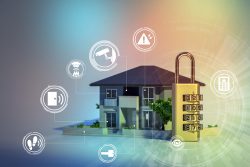
 Advantages of Installing a Smart Lock
 Are Smart Locks Safe?
 What Are Medeco High-Security Locks?
 When Is it Time to Replace a Damaged Steel Door?
 Benefits Of Access Control Systems For Businesses