

How Often Should You Change Your Locks?
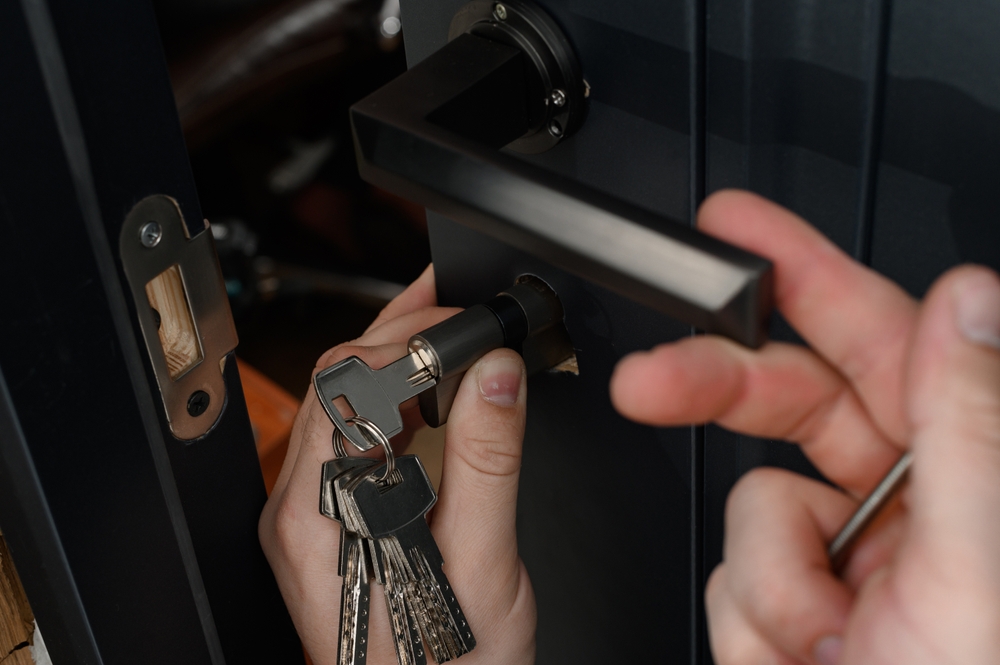
The security of a home or business does not depend solely on alarms or cameras, it begins with strong mechanical protection at entry points. Locks serve as the first safeguard that prevents unauthorized access. Over time exposure to weather, repeated daily use, and evolving security risks can affect how well a lock performs. This is why understanding changing locks frequency is an essential part of responsible property maintenance. Many people assume that once a lock is installed it will last indefinitely, yet like any hardware it has a finite lifespan. A thoughtful plan combined with practical lock replacement tips can help keep your property secure year after year.
Security concerns continue to shift as technology evolves. Smart locks have different lifecycles than traditional keyed mechanisms, although neither should be ignored once installed. Even the best models can develop hidden vulnerabilities over time. By taking a proactive approach and learning how often you should review your security readiness, you can avoid gaps that create opportunities for intruders. This overview will help you understand the ideal lock lifecycle advice for homes and businesses and give you actionable guidance to maintain safety without guesswork.
Situations That Require Immediate Lock Replacement
There are moments when waiting is not an option. If you have recently moved into a new home or office, replacing every exterior lock should be one of your first steps. You cannot know how many copies of your keys have circulated among tenants, contractors, or real estate agents. Fresh locks restore full control over who has access. Anytime a key is lost, stolen, or in someone else’s possession longer than expected, your locks should also be changed. Even if the key eventually returns, you have no assurance that a duplicate was not created.
Break ins or attempted break ins also call for immediate replacement. Even if the hardware appears intact, subtle internal damage can weaken the mechanism. An intruder might have used tools that created pressure or small fractures which reduce the lock’s reliability. This is not the moment to rely on visual inspection alone. After domestic disputes, roommate changes, or staff turnover at a business, lock changes can protect against unauthorized reentry. These situations require security that aligns with your current circumstances rather than past arrangements.
Another urgent scenario involves damaged or deteriorating locks. If you notice grinding, sticking, loose housing, or difficulty turning the key, the mechanism may already be compromised. Weather worn locks in coastal or humid climates can degrade faster than expected. Once corrosion begins to interfere with internal components, replacement is the safest plan. When a lock no longer functions smoothly, it signals the end of its dependable lifespan and should not be ignored.
How Long Locks Typically Last
Most traditional locks last several years, yet their true longevity depends on use, quality, and environment. A high quality deadbolt on a residential door that receives light to moderate use may perform well for ten years or longer. However, locks on rental properties or commercial buildings experience frequent daily operation which accelerates wear. In these settings the changing locks frequency should be higher because internal components face constant friction.
Climate also plays a major role in lock lifespan. In areas with extreme temperatures or long winter seasons, metal expands and contracts which strains internal parts. Coastal regions often deal with salt exposure that can corrode metal more rapidly. Dirt, moisture, and airborne pollutants can accumulate inside a lock and shorten its functional life. Even the best models eventually succumb to these factors. Reviewing and updating locks every few years is a wise practice to maintain predictability in your security system.
Smart locks add another layer of complexity because they rely on electronics, software, and power sources. Their mechanical parts may last a long time, but the digital components can become outdated or vulnerable. Firmware updates help maintain performance, yet older units may not support new security protocols. When evaluating smart lock lifespan, consider both the mechanical structure and the technological relevance. Updating them every few years ensures you stay ahead of emerging cybersecurity risks.
Signs That It Is Time to Change Your Locks
Most locks provide subtle warnings before failure. Difficulty inserting or removing the key is one early sign. If you have to jiggle or force the key, internal alignment may be deteriorating. A well functioning lock should operate smoothly with minimal resistance. Noise is another clue. Grinding or scraping sounds indicate metal parts rubbing or catching where they should not. Over time this can lead to complete malfunction.
Keys that turn freely without engaging the bolt suggest internal wear. This problem often surprises property owners because the exterior appears fine even as internal parts weaken. If your lock wiggles within the door or the strike plate no longer lines up properly, the integrity of the installation has been compromised. These issues decrease the lock’s ability to resist forced entry.
Another indicator is outdated design. Older locks may lack anti bumping or anti picking features that are now standard in modern hardware. Criminal techniques evolve constantly and relying on aging locks can leave you vulnerable. Industry professionals regularly advise property owners to assess lock age and security level rather than waiting for failure. These assessments create a reliable schedule instead of reacting only when problems appear.
Human factors also influence replacement decisions. If you have lent out keys to service providers, former partners, or temporary guests, you might not know where all copies reside. Rekeying is a cost effective solution in some cases, but full replacement may be the better option when locks are also aging or when the internal structure has already experienced wear. This approach brings peace of mind because you regain full control over access.
How Often Should You Change Your Locks
Many experts recommend reviewing exterior locks at least every three to five years, although some properties require more frequent updates. This period aligns with typical mechanical wear patterns and ensures your security reflects your current needs. For high traffic commercial spaces, annual evaluation is more appropriate. Locks that are used dozens of times every day face much heavier stress. Replacing them at shorter intervals maintains consistent protection.
For homeowners, circumstances often dictate timing. Significant life changes may require an immediate reset of access privileges. Moving into a new place, adding or removing household members, or hiring in home staff can all shift your security needs. These moments provide a natural opportunity to upgrade locks and integrate newer models with improved features.
Using a proactive schedule rather than waiting for failure is central to smart lock lifecycle advice. Modern locks offer advanced materials and reinforced designs that are far more resilient than older versions. Updating on a regular cycle allows you to benefit from these advancements. In addition, modern construction standards continue to raise expectations for home and business security. By keeping pace, you prevent gaps in protection that might arise due to outdated hardware.
Rekeying can sometimes serve as a temporary alternative, but it does not resolve mechanical aging. If your lock is already showing signs of wear, rekeying only changes who can access the door, not how long the mechanism will last. Replacement remains the better long term solution because it restores both strength and reliability.
Conclusion
Changing your locks is more than a response to emergencies, it is a key component of maintaining long term security. Every lock has a predictable lifecycle that depends on quality, usage, and environmental conditions. By paying attention to early signs of wear and updating hardware at regular intervals, you create a strong foundation of protection. Applying practical lock replacement tips ensures you stay ahead of threats instead of reacting after a security lapse occurs.
Understanding changing locks frequency helps you plan proactively rather than guessing when updates are needed. New technology, shifting household arrangements, and evolving safety standards make regular evaluation essential. With the right lock lifecycle advice, you can maintain a secure property that adapts to your needs and remains resilient against risks for many years.
Need a Locksmith Near You?
We have been servicing the Greater Fairfax/DC area for over 40 years with services for residential, commercial, and automotive clients alike. We are proud to offer you the best locksmithing service in Fairfax, Arlington, Loudoun, Prince William counties, and the surrounding communities. Our professional locksmiths are here to handle any job. At Artie’s Lock and Key, we are fully equipped with the latest tools and professionally trained to handle locks of all kinds. Contact us to purchase a new lock, new car key or remote, rekey, or to schedule a job for repair or installation. The team at Artie’s Lock and Key can work on all your transponder keys, commercial locks, panic bars, and more. We are fully licensed, bonded, and insured. Contact us today to learn more about what we can do for you!