

How Weather in Fairfax Affects Your Commercial Locks and What You Can Do
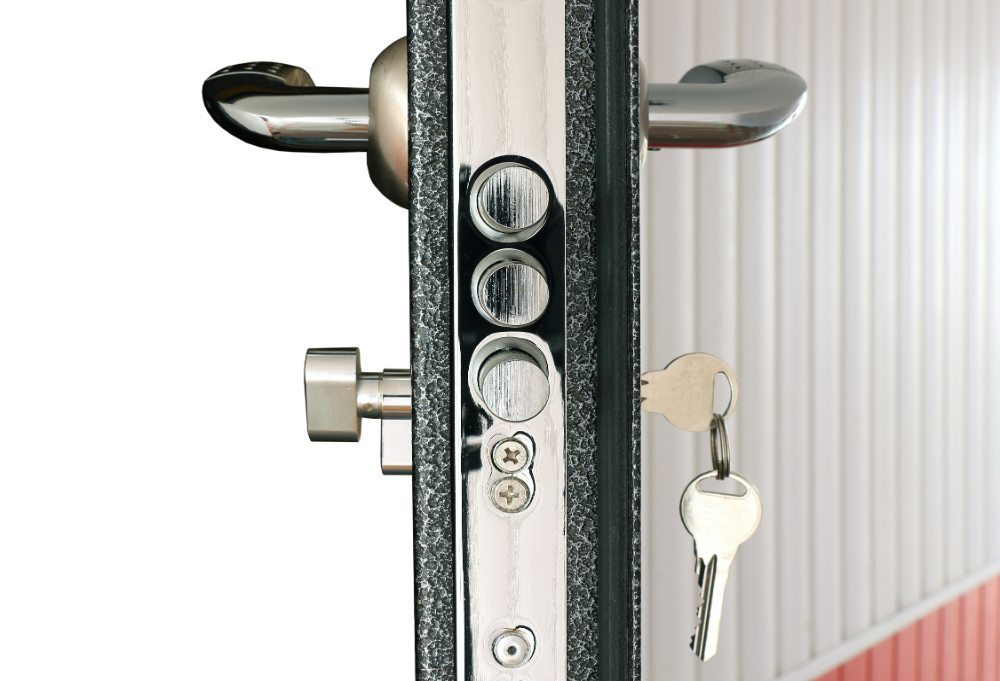
If you operate a business in Fairfax, Virginia, you already know that the local climate is no walk in the park. The area experiences hot summers, cold winters, significant rainfall, and moderate humidity throughout the year. What many business owners overlook, however, is what all of that weather is quietly doing to their commercial locks and door hardware. The weather impact on locks is real, gradual, and potentially costly if ignored.
Understanding how Fairfax’s four-season climate affects lock durability in Fairfax can help you stay ahead of expensive failures, security vulnerabilities, and unnecessary downtime.
How Humidity and Moisture Corrode Commercial Lock Components
One of the most persistent threats to commercial locks in Fairfax is moisture. Humidity levels in the area stay relatively steady throughout the year, hovering between 71 and 77 percent, and precipitation occurs on an average of 9 to 17 days per month. That level of consistent exposure to moisture creates ideal conditions for rust and corrosion to develop inside and around your lock hardware.
When moisture infiltrates a commercial lock, it begins attacking the internal metal components: the pins, springs, and cylinders that keep the mechanism functioning smoothly. Over time, oxidation causes these parts to swell, stick, or seize up entirely. For businesses that rely on high-traffic entry points, a corroded lock is not just an inconvenience; it is a security liability.
Deadbolts, padlocks, and electronic locks with metal exteriors are all vulnerable to this kind of corrosion. Even stainless steel or coated hardware can develop surface rust when the protective coating is compromised by repeated use or physical wear. Applying a weatherproof lubricant regularly and inspecting seals around lock cylinders can go a long way toward extending your hardware’s lifespan in a high-humidity climate like Fairfax’s.
What Freezing Temperatures Do to Lock Mechanisms
Winter in Fairfax brings its own set of challenges for commercial lock hardware. Temperatures in the colder months can drop as low as 26 degrees Fahrenheit, and the area sees considerable snowfall concentrated between December and February. These freezing conditions can have a direct and immediate impact on lock performance.
When water enters a lock cylinder and then freezes, it expands. That expansion puts pressure on internal components, bending pins and cracking housings that were never designed to handle that kind of stress. The result is a lock that either jams completely or one that no longer holds a secure engagement when turned. For a business owner arriving early in the morning to open up, a frozen lock can mean a costly emergency service call.
Beyond the cylinder itself, metal lock bodies contract in cold weather. This contraction can misalign a bolt with its strike plate, making it difficult to lock or unlock a door properly. Fairfax sees roughly 102 nights per year where temperatures drop below freezing, which means this is not a rare event but a recurring seasonal concern. Using lock de-icer sprays and avoiding water-based lubricants in fall are practical steps to prepare your hardware before the freeze arrives.
The Summer Heat Problem: Expansion, Warping, and Electronic Lock Damage
Summer in Fairfax is warm, humid, and hard on hardware. Temperatures can reach up to 87 degrees Fahrenheit during the peak summer months, and the air can feel uncomfortably humid from July through August. That heat-humidity combination affects both mechanical and electronic commercial locks in distinct ways.
Metal expands in high heat. For traditional deadbolts and mortise locks, this expansion can cause bolts to drag against strike plates or door frames, making operation stiff and unreliable. Over time, repeated expansion and contraction cycles wear down the bolt’s finish and weaken the internal springs. Wooden and composite door frames also warp under sustained heat, shifting the alignment between the door and the lock hardware in ways that create gaps or misalignment.
For businesses using electronic access control systems, summer heat poses an additional concern. Circuit boards and batteries inside electronic locks have operating temperature limits. When a lock is mounted on a south-facing exterior door in full sun, the internal temperature of the device can exceed those limits. This shortens battery life significantly and can cause erratic behavior in keypad or card reader systems. Insulating the housing or choosing hardware rated for outdoor temperature extremes can protect your investment through the summer months.
Spring Rain and Storm Season: When Water Gets in Where It Should Not
Fairfax is exposed to thunderstorms during the spring and summer months, and to tropical cyclones during the fall season. June is the wettest month, averaging around 5.4 inches of rainfall, and the entire season brings sustained periods of wind-driven rain that push water into door frames, thresholds, and lock cylinders in ways that ordinary rain simply does not.
The weather impact on locks during storm season is often more acute than during routine wet weather because wind forces water into gaps that would otherwise drain safely. This kind of water intrusion accelerates the corrosion process and can short out electronic lock components within a single storm event if the hardware is not properly rated or sealed.
Spring is also the season when businesses often discover the damage done over winter. Locks that were marginally functional in freezing temperatures may fail entirely once the freeze-thaw cycle completes. Scheduling a professional inspection at the start of spring is one of the smartest investments a Fairfax business owner can make in their overall security posture.
Seasonal Lock Maintenance: Building a Year-Round Protection Plan
Seasonal lock maintenance is not a luxury in Fairfax; it is a necessity. Given the full range of conditions the climate presents, a proactive maintenance schedule is the most cost-effective way to protect lock durability in Fairfax and avoid emergency failures.
In fall, the priority is preparing for the cold. Clean all exterior lock cylinders, replace any worn weather stripping around door frames, and apply a dry PTFE-based lubricant that will not freeze inside the mechanism. Inspect strike plates and tighten any loose screws that could create misalignment once temperatures drop and metal contracts.
In winter, keep a quality lock de-icer on hand and check door alignment after any significant temperature swing. Avoid forcing a stiff lock, as this can break internal pins or snap a key inside the cylinder.
In spring, conduct a full inspection for rust, corrosion, and any physical damage from the winter. Replace worn seals, relubricate all moving parts, and test every electronic access point to make sure the battery and circuit board came through the cold season intact.
In summer, check mounting hardware for looseness caused by expansion, test electronic locks for proper function, and consider shading south-facing hardware installations when feasible.
Protecting Your Business Starts with What Keeps It Locked
The relationship between Fairfax’s climate and the performance of your commercial locks is direct and ongoing. Fairfax’s four-season climate brings everything from hot summers to genuine winter conditions, and every season puts different pressure on your hardware. The weather impact on locks accumulates quietly over months and years, and by the time a failure becomes visible, the damage is often already significant. Investing in seasonal lock maintenance, choosing hardware built for outdoor durability, and partnering with a knowledgeable commercial locksmith gives your business the best possible defense against the elements. Lock durability in Fairfax depends not just on the quality of the hardware you install, but on the ongoing attention you give it throughout the year.
Need a Locksmith Near You?
We have been servicing the Greater Fairfax/DC area for over 40 years with services for residential, commercial, and automotive clients alike. We are proud to offer you the best locksmithing service in Fairfax, Arlington, Loudoun, Prince William counties, and the surrounding communities. Our professional locksmiths are here to handle any job. At Artie’s Lock and Key, we are fully equipped with the latest tools and professionally trained to handle locks of all kinds. Contact us to purchase a new lock, new car key or remote, rekey, or to schedule a job for repair or installation. The team at Artie’s Lock and Key can work on all your transponder keys, commercial locks, panic bars, and more. We are fully licensed, bonded, and insured. Contact us today to learn more about what we can do for you!