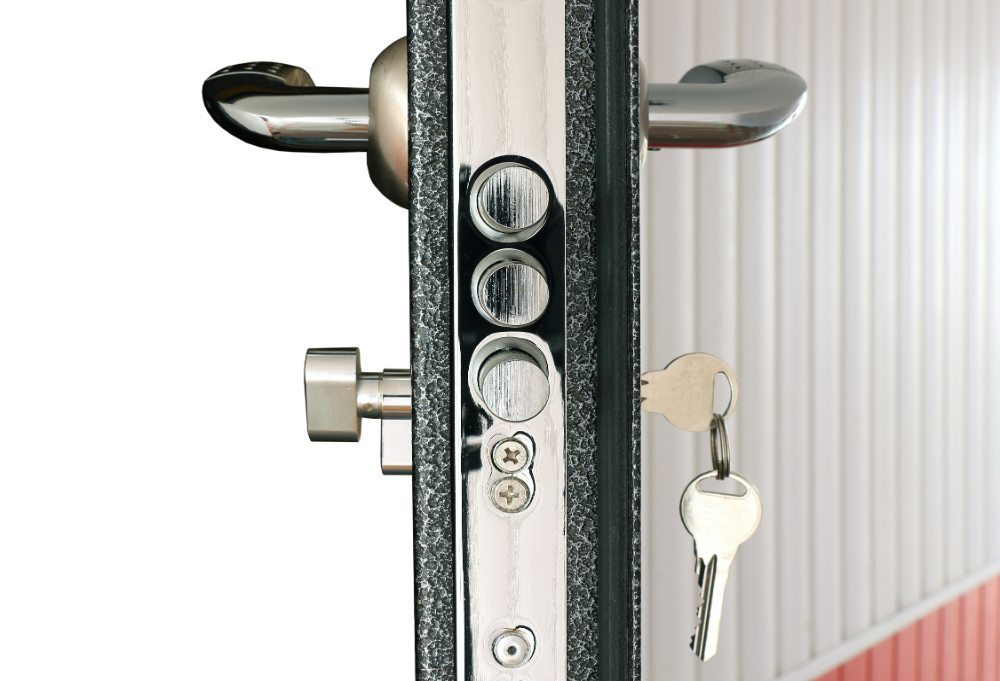
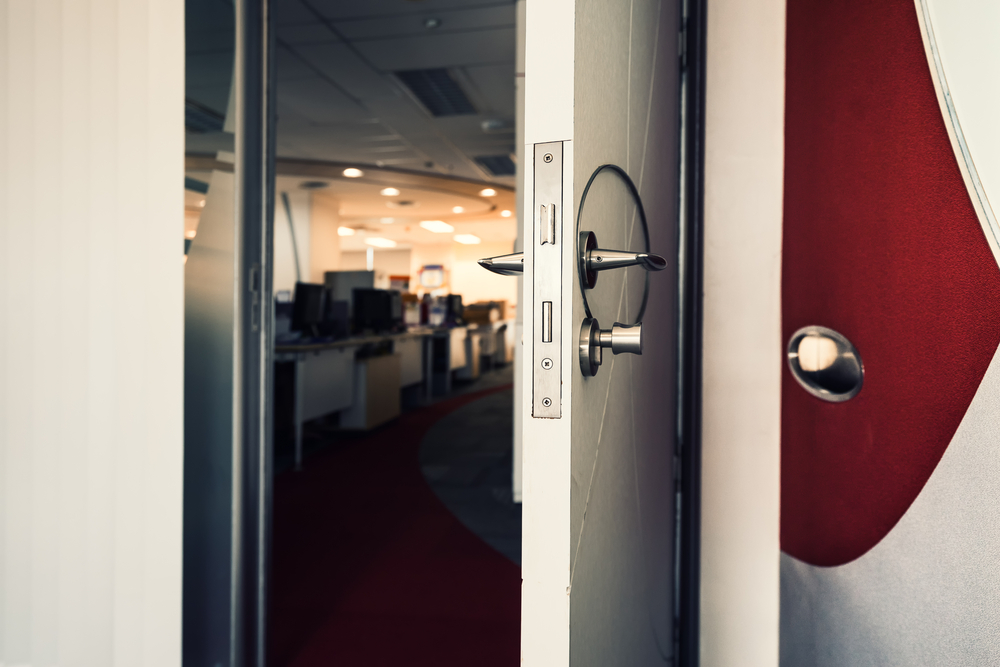
If you operate a business in Fairfax, Virginia, you already know that the local climate is no walk in the park. The area experiences hot summers, cold winters, significant rainfall, and moderate humidity throughout the year. What many business owners overlook, however, is what all of that weather is quietly doing to their commercial locks and door hardware. The weather impact on locks is real, gradual, and potentially costly if ignored.
Understanding how Fairfax’s four-season climate affects lock durability in Fairfax can help you stay ahead of expensive failures, security vulnerabilities, and unnecessary downtime.
How Humidity and Moisture Corrode Commercial Lock Components
One of the most persistent threats to commercial locks in Fairfax is moisture. Humidity levels in the area stay relatively steady throughout the year, hovering between 71 and 77 percent, and precipitation occurs on an average of 9 to 17 days per month. That level of consistent exposure to moisture creates ideal conditions for rust and corrosion to develop inside and around your lock hardware.
When moisture infiltrates a commercial lock, it begins attacking the internal metal components: the pins, springs, and cylinders that keep the mechanism functioning smoothly. Over time, oxidation causes these parts to swell, stick, or seize up entirely. For businesses that rely on high-traffic entry points, a corroded lock is not just an inconvenience; it is a security liability.
Deadbolts, padlocks, and electronic locks with metal exteriors are all vulnerable to this kind of corrosion. Even stainless steel or coated hardware can develop surface rust when the protective coating is compromised by repeated use or physical wear. Applying a weatherproof lubricant regularly and inspecting seals around lock cylinders can go a long way toward extending your hardware’s lifespan in a high-humidity climate like Fairfax’s.
What Freezing Temperatures Do to Lock Mechanisms
Winter in Fairfax brings its own set of challenges for commercial lock hardware. Temperatures in the colder months can drop as low as 26 degrees Fahrenheit, and the area sees considerable snowfall concentrated between December and February. These freezing conditions can have a direct and immediate impact on lock performance.
When water enters a lock cylinder and then freezes, it expands. That expansion puts pressure on internal components, bending pins and cracking housings that were never designed to handle that kind of stress. The result is a lock that either jams completely or one that no longer holds a secure engagement when turned. For a business owner arriving early in the morning to open up, a frozen lock can mean a costly emergency service call.
Beyond the cylinder itself, metal lock bodies contract in cold weather. This contraction can misalign a bolt with its strike plate, making it difficult to lock or unlock a door properly. Fairfax sees roughly 102 nights per year where temperatures drop below freezing, which means this is not a rare event but a recurring seasonal concern. Using lock de-icer sprays and avoiding water-based lubricants in fall are practical steps to prepare your hardware before the freeze arrives.
The Summer Heat Problem: Expansion, Warping, and Electronic Lock Damage
Summer in Fairfax is warm, humid, and hard on hardware. Temperatures can reach up to 87 degrees Fahrenheit during the peak summer months, and the air can feel uncomfortably humid from July through August. That heat-humidity combination affects both mechanical and electronic commercial locks in distinct ways.
Metal expands in high heat. For traditional deadbolts and mortise locks, this expansion can cause bolts to drag against strike plates or door frames, making operation stiff and unreliable. Over time, repeated expansion and contraction cycles wear down the bolt’s finish and weaken the internal springs. Wooden and composite door frames also warp under sustained heat, shifting the alignment between the door and the lock hardware in ways that create gaps or misalignment.
For businesses using electronic access control systems, summer heat poses an additional concern. Circuit boards and batteries inside electronic locks have operating temperature limits. When a lock is mounted on a south-facing exterior door in full sun, the internal temperature of the device can exceed those limits. This shortens battery life significantly and can cause erratic behavior in keypad or card reader systems. Insulating the housing or choosing hardware rated for outdoor temperature extremes can protect your investment through the summer months.
Spring Rain and Storm Season: When Water Gets in Where It Should Not
Fairfax is exposed to thunderstorms during the spring and summer months, and to tropical cyclones during the fall season. June is the wettest month, averaging around 5.4 inches of rainfall, and the entire season brings sustained periods of wind-driven rain that push water into door frames, thresholds, and lock cylinders in ways that ordinary rain simply does not.
The weather impact on locks during storm season is often more acute than during routine wet weather because wind forces water into gaps that would otherwise drain safely. This kind of water intrusion accelerates the corrosion process and can short out electronic lock components within a single storm event if the hardware is not properly rated or sealed.
Spring is also the season when businesses often discover the damage done over winter. Locks that were marginally functional in freezing temperatures may fail entirely once the freeze-thaw cycle completes. Scheduling a professional inspection at the start of spring is one of the smartest investments a Fairfax business owner can make in their overall security posture.
Seasonal Lock Maintenance: Building a Year-Round Protection Plan
Seasonal lock maintenance is not a luxury in Fairfax; it is a necessity. Given the full range of conditions the climate presents, a proactive maintenance schedule is the most cost-effective way to protect lock durability in Fairfax and avoid emergency failures.
In fall, the priority is preparing for the cold. Clean all exterior lock cylinders, replace any worn weather stripping around door frames, and apply a dry PTFE-based lubricant that will not freeze inside the mechanism. Inspect strike plates and tighten any loose screws that could create misalignment once temperatures drop and metal contracts.
In winter, keep a quality lock de-icer on hand and check door alignment after any significant temperature swing. Avoid forcing a stiff lock, as this can break internal pins or snap a key inside the cylinder.
In spring, conduct a full inspection for rust, corrosion, and any physical damage from the winter. Replace worn seals, relubricate all moving parts, and test every electronic access point to make sure the battery and circuit board came through the cold season intact.
In summer, check mounting hardware for looseness caused by expansion, test electronic locks for proper function, and consider shading south-facing hardware installations when feasible.
Protecting Your Business Starts with What Keeps It Locked
The relationship between Fairfax’s climate and the performance of your commercial locks is direct and ongoing. Fairfax’s four-season climate brings everything from hot summers to genuine winter conditions, and every season puts different pressure on your hardware. The weather impact on locks accumulates quietly over months and years, and by the time a failure becomes visible, the damage is often already significant. Investing in seasonal lock maintenance, choosing hardware built for outdoor durability, and partnering with a knowledgeable commercial locksmith gives your business the best possible defense against the elements. Lock durability in Fairfax depends not just on the quality of the hardware you install, but on the ongoing attention you give it throughout the year.
Need a Locksmith Near You?
We have been servicing the Greater Fairfax/DC area for over 40 years with services for residential, commercial, and automotive clients alike. We are proud to offer you the best locksmithing service in Fairfax, Arlington, Loudoun, Prince William counties, and the surrounding communities. Our professional locksmiths are here to handle any job. At Artie’s Lock and Key, we are fully equipped with the latest tools and professionally trained to handle locks of all kinds. Contact us to purchase a new lock, new car key or remote, rekey, or to schedule a job for repair or installation. The team at Artie’s Lock and Key can work on all your transponder keys, commercial locks, panic bars, and more. We are fully licensed, bonded, and insured. Contact us today to learn more about what we can do for you!
Getting locked out of your home, car, or business is one of those situations nobody plans for but almost everyone experiences at some point. Whether it happens at midnight after a long shift or on a Sunday afternoon when most businesses are closed, the feeling of being stranded outside your own property is both frustrating and stressful. The good news is that emergency locksmith services exist precisely for moments like these, and understanding how they work can make a difficult situation far more manageable.
Lockout preparedness is not just about having a spare key hidden somewhere; it is about knowing who to call, what to expect, and how to protect yourself throughout the process.
Understanding 24-Hour Lockout Services
One of the most reassuring things about modern locksmith services is that help is genuinely available around the clock. 24-hour lockout services are designed to respond to emergencies at any hour, on any day of the year, including holidays and weekends. These services are not a luxury reserved for extreme emergencies; they are a practical resource for anyone who finds themselves locked out with no other options.
When you call a 24-hour lockout service, the first thing that will happen is a dispatcher will ask you for your location, the type of lock or vehicle involved, and a brief description of the situation. This information helps the locksmith arrive prepared with the right tools. Response times can vary depending on your location and the time of day, but most reputable services in urban and suburban areas aim to reach you within 15 to 45 minutes. In rural areas, you may need to allow for a slightly longer wait.
It is worth noting that 24-hour availability often comes with a premium pricing structure. After-hours calls, weekend visits, and holiday emergencies can carry higher service fees than standard business-hour appointments. Knowing this in advance helps you avoid sticker shock when the invoice arrives. Always ask about pricing before the technician begins any work so there are no surprises.
What Happens When the Locksmith Arrives
Having a clear picture of what to expect during a locksmith visit can ease a lot of anxiety. When your technician arrives, they will first ask you to verify your identity and prove that you have a legitimate claim to access the property or vehicle. This is a standard and necessary step that protects both you and the locksmith from being involved in an unauthorized entry situation.
For residential lockouts, you may be asked to provide a government-issued ID that matches the address on the property. For vehicle lockouts, your driver’s license and vehicle registration or insurance card can help establish ownership. If you are locked out of a rental property or a vehicle you do not own, the process may involve additional verification steps, so having as much documentation as possible will speed things along.
Once identity is confirmed, the locksmith will assess the lock or entry point and decide on the best method to gain access. In many cases, a skilled locksmith can open a standard residential lock without causing any damage using a technique called lock picking or lock bumping. For more complex locks, deadbolts, or high-security systems, other methods may be required. If there is any risk of damage to the lock or door frame, a good locksmith will inform you beforehand and explain your options.
After gaining entry, the technician will typically offer to rekey or replace the lock if needed, especially if you believe your keys are lost rather than simply left inside. Rekeying is a cost-effective option that renders old keys useless while allowing you to use a new set without replacing the entire hardware.
Building Your Lockout Preparedness Plan
Lockout preparedness is something most people only think about after a bad experience, but a little advance planning can save you enormous time, money, and stress. The foundation of any good preparedness plan is simply having trusted resources identified before an emergency occurs.
Start by researching and saving the contact information for at least one reputable 24-hour locksmith in your area. Look for companies that are licensed, bonded, and insured. In California, locksmiths are required to be licensed through the Bureau of Security and Investigative Services, so verifying credentials is straightforward and essential. Online reviews, Better Business Bureau ratings, and word-of-mouth recommendations from neighbors or friends are all useful tools when evaluating your options.
Next, think about spare key management. Leaving a spare key with a trusted neighbor, family member, or friend is one of the oldest and most effective forms of lockout preparedness. Smart lock technology now offers another layer of convenience, allowing you to enter a code or use your smartphone to unlock your door, eliminating the physical key entirely for home access. For vehicles, many automakers now offer mobile apps or connected services that allow remote unlocking.
Consider also keeping a written or digitally stored record of important information related to your locks and security systems. This includes the make and model of your locks, your vehicle identification number, any security system codes or contacts, and the name and phone number of your preferred locksmith. Storing this information in a secure but accessible place, such as a password-protected notes app on your phone, means you have everything you need even when stress is running high.
How to Choose a Trustworthy Emergency Locksmith
An emergency locksmith guide would be incomplete without addressing one of the most important concerns in this industry: scams and fraud. Unfortunately, locksmith scams are a well-documented problem, particularly in large metro areas. Fraudulent operators often advertise extremely low prices online, then inflate charges dramatically once they arrive or use unnecessarily destructive methods that require expensive repairs.
To protect yourself, always call a locksmith directly using a number you have verified independently, rather than just clicking the first paid advertisement that appears in a search result. Ask for a firm price estimate over the phone before anyone is dispatched to your location. A legitimate locksmith will give you a range and explain what factors might affect the final cost.
When the technician arrives, ask to see their license and identification before allowing them to begin any work. In California, licensed locksmiths are required to carry and present their license upon request. If someone refuses to show credentials, do not allow them to proceed. It is also a red flag if a technician immediately recommends drilling out a lock on a standard residential door, as this is rarely necessary and is often a sign that the person lacks the skills to open the lock properly.
Reviews and ratings are not foolproof, but a company with a long history of positive feedback and verifiable credentials is a much safer bet than an anonymous operator with no traceable business history. Take a few minutes to check ratings on Google, Yelp, or the BBB before your next potential lockout situation so you already know who to trust.
Conclusion
Being locked out is stressful, but it does not have to become a crisis. A solid emergency locksmith guide starts with understanding how 24-hour lockout services work, knowing what to expect during a service call, and taking practical steps toward lockout preparedness long before you ever need it. By identifying a reputable local locksmith in advance, managing spare keys wisely, and knowing how to verify credentials on the spot, you put yourself in a much stronger position to handle this common but disruptive situation with confidence and calm.
Need a Locksmith Near You?
We have been servicing the Greater Fairfax/DC area for over 40 years with services for residential, commercial, and automotive clients alike. We are proud to offer you the best locksmithing service in Fairfax, Arlington, Loudoun, Prince William counties, and the surrounding communities. Our professional locksmiths are here to handle any job. At Artie’s Lock and Key, we are fully equipped with the latest tools and professionally trained to handle locks of all kinds. Contact us to purchase a new lock, new car key or remote, rekey, or to schedule a job for repair or installation. The team at Artie’s Lock and Key can work on all your transponder keys, commercial locks, panic bars, and more. We are fully licensed, bonded, and insured. Contact us today to learn more about what we can do for you!
Leaving home for a vacation is one of life’s great pleasures, but the thought of leaving your property unattended can bring its own set of worries. Whether you are heading out for a long weekend or an extended trip abroad, taking the right steps to secure your home before you leave can mean the difference between a relaxing getaway and a stressful return.
This guide walks you through everything you need to know about home security vacation planning, so you can travel with genuine peace of mind.
1. Start With a Complete House Safety Checklist
The foundation of any good pre-vacation security plan is a thorough house safety checklist. Most break-ins and home accidents happen because of small oversights that are easy to prevent when you plan ahead.
Start by walking through every room of your home at least 24 hours before your departure. Check that all windows are properly closed and locked, paying special attention to ground-floor windows that are sometimes left cracked for ventilation. Sliding glass doors deserve extra attention because their standard locks are often weak. A simple wooden dowel or a commercial-grade security bar placed in the track adds a meaningful layer of resistance.
Next, inspect every exterior door. Deadbolt locks should be fully functional, and door frames should be solid without any signs of rot or weakness. A door with a strong lock is only as secure as the frame it sits in. If you have a garage, test the automatic door lock and consider unplugging the opener before you leave. Thieves with universal remotes have been known to exploit garage doors as an entry point.
Go through your utility connections carefully. Turn off the main water supply if you will be gone for more than a few days, because a burst pipe or a slow leak can cause thousands of dollars in damage with no one home to catch it. Unplug non-essential electronics to reduce fire risk and save on your electric bill. If you have a gas range, double-check that all burners are off and consider turning off the gas supply at the meter.
Do not forget your outdoor spaces. Store away any ladders, gardening tools, or patio furniture that could be used to access upper-floor windows or broken to gain entry. Clear away any packages sitting on your porch before you leave, and set up mail and package holds through your postal service.
2. Smart Lighting and the Illusion of Occupancy
One of the most effective and affordable strategies in home security vacation planning is making your home look occupied even when it is not. Burglars are opportunistic, and they prefer easy, low-risk targets. A home that appears active is far less appealing than one that is obviously empty.
Smart plugs and smart light bulbs are your best friends here. Use them to schedule interior lights to turn on and off at different times throughout the evening, mimicking a natural pattern of occupancy. Avoid setting lights on a simple on-off loop that repeats at the same time every day, because anyone watching the property for more than a night will notice the pattern. Instead, vary the schedule slightly or use a smart home app that randomizes the timing.
Exterior lighting is equally important. Motion-activated floodlights around entry points and in darker corners of your yard serve as both a deterrent and an alert system for neighbors. If you have a video doorbell or outdoor security camera, make sure it is fully charged or hardwired, that the app is working on your phone, and that motion alert notifications are turned on.
If you have trusted neighbors, ask them to park in your driveway occasionally, collect any stray mail or flyers that slip through the hold request, and vary the look of your property. A driveway that sits empty and a mailbox stuffed with flyers are classic signals that no one is home.
3. Travel Lock Tips That Can Make a Real Difference
Good travel lock tips go beyond just making sure the front door is locked. Layering your security with multiple types of locks and reinforcements dramatically increases how difficult it would be for someone to force their way in.
For exterior doors, consider upgrading to a Grade 1 deadbolt if you have not already. These are rated by the American National Standards Institute and represent the highest level of residential lock security. Pair it with a heavy-duty strike plate secured with 3-inch screws that reach the wall studs rather than just the door frame. This single upgrade can turn a door that kicks in easily into one that requires a great deal more effort to breach.
For windows on upper floors, window locks or key-operated sash locks add security without affecting the window’s functionality. Pin locks, where a metal pin is inserted into a drilled hole to prevent the window from being opened more than a few inches, are inexpensive and highly effective.
If you have a safe at home, make sure it is properly bolted to the floor or a wall stud. A portable safe that is not anchored can simply be carried out of the house. Store your most important documents, jewelry, and backup cash inside it before you leave.
When it comes to travel lock tips for your vehicle, never leave a spare house key hidden in your car. If your car is broken into, that key gives a thief direct access to your home. Instead, leave a spare key with a trusted friend or family member.
4. Technology and Professional Monitoring
Modern technology has made home security vacation planning more accessible and more effective than ever. A connected home security system, even a basic one, gives you visibility and control that was not possible just a decade ago.
If you already have a security system, contact your monitoring company before you leave to let them know your travel dates and provide an updated emergency contact. Make sure all sensors, including door, window, and motion sensors, are tested and functioning. Replace any low batteries in sensors or keypads before departure.
If you do not have a formal system, standalone smart cameras placed at the front door, back door, and main living area can still provide a meaningful level of oversight. Look for cameras with local storage or cloud backup so that footage is preserved even if the camera is damaged or stolen. Two-way audio features can also allow you to interact with visitors or delivery drivers remotely, reinforcing the appearance that someone is home.
Some homeowners also benefit from professional home watch services, particularly for longer trips. These services send a trained inspector to walk through your property on a scheduled basis, checking for signs of water damage, pest intrusion, or security issues.
5. Telling the Right People (And Not Telling the Wrong Ones)
One of the most overlooked elements of any house safety checklist is managing information. Who you tell about your trip, and how you share that information, can have a direct impact on your home’s security.
Be careful about broadcasting your vacation plans on social media. Posting photos and updates in real time lets your network know your home is unoccupied. Consider waiting until you return to share trip highlights publicly. Review your privacy settings and think carefully about who has access to your posts.
Do tell a trusted neighbor, a close friend, or a family member about your trip. Give them an emergency contact number and let them know the dates you will be away. Ask them to keep an eye out for anything unusual and to report it promptly. This kind of community awareness is one of the most reliable forms of security available.
Also notify your home insurance provider if you will be away for an extended period, as some policies have clauses about unoccupied homes that could affect coverage.
Conclusion
Securing your home before a vacation does not have to be complicated or expensive. By working through a solid house safety checklist, applying smart travel lock tips, using technology to monitor your property, and being thoughtful about who you inform, you can leave with confidence. A little preparation before departure goes a long way toward ensuring that your home is just as you left it when you return.
Need a Locksmith Near You?
We have been servicing the Greater Fairfax/DC area for over 40 years with services for residential, commercial, and automotive clients alike. We are proud to offer you the best locksmithing service in Fairfax, Arlington, Loudoun, Prince William counties, and the surrounding communities. Our professional locksmiths are here to handle any job. At Artie’s Lock and Key, we are fully equipped with the latest tools and professionally trained to handle locks of all kinds. Contact us to purchase a new lock, new car key or remote, rekey, or to schedule a job for repair or installation. The team at Artie’s Lock and Key can work on all your transponder keys, commercial locks, panic bars, and more. We are fully licensed, bonded, and insured. Contact us today to learn more about what we can do for you!
Running a small business comes with a long list of responsibilities, and commercial security is one area that many owners overlook until it is too late. Whether you operate a retail shop, a professional office, or a warehouse, protecting your physical space and digital assets is critical to your long-term success. Implementing strong business security methods does not have to be expensive or complicated. With the right strategies in place, you can significantly reduce your risk of theft, vandalism, data breaches, and unauthorized access.
The following tips are designed to help small business owners build a comprehensive security plan from the ground up.
1. Conduct a Full Security Audit of Your Property
Before you invest in any security upgrades, start by walking through your entire property with fresh eyes. Look at every entry point, window, storage area, and blind spot that could be exploited by someone with bad intentions. Pay close attention to areas where inventory, cash, or sensitive documents are stored.
A thorough audit will reveal weak points that you might not have noticed during day-to-day operations. You can also hire a professional security consultant to perform this evaluation for you. Many local law enforcement agencies offer free or low-cost security walk-throughs for small businesses, which can be a great starting point for owners working with a limited budget.
2. Upgrade Your Locks and Access Control Systems
One of the most effective office lock tips any security expert will give you is to stop relying on outdated hardware. Standard pin tumbler locks can be picked or bumped with basic tools, leaving your property vulnerable. Consider upgrading to high-security deadbolts, smart locks, or electronic keypad entry systems that log who enters and exits the building.
For businesses with multiple employees, a key card or fob system allows you to grant and revoke access without changing physical locks every time someone leaves the company. Make it a policy to rekey or reprogram your access system whenever an employee is terminated or loses their credentials. These are foundational office lock tips that every business owner should prioritize before spending money on more advanced systems.
3. Install a Professional-Grade Surveillance System
Security cameras are one of the most visible and effective deterrents against criminal activity. Visible cameras signal to would-be intruders that your property is monitored and that evidence will be captured if they attempt a break-in. When setting up your surveillance system, make sure to cover all entry and exit points, parking areas, cash registers, and any areas where high-value items are stored.
Modern IP cameras offer high-definition footage that can be accessed remotely from a smartphone or computer, giving you real-time visibility even when you are away from the office. Be sure to back up your footage to a cloud-based system or an offsite server so that recordings are not lost if someone tampers with on-site equipment.
4. Implement Strong Cybersecurity Practices
Physical security is only half the battle. Small businesses are increasingly targeted by cybercriminals who know that most small operations lack the IT infrastructure of larger corporations. Protecting your digital assets is just as important as installing locks and cameras.
Start by ensuring that all company devices are protected with strong, unique passwords and two-factor authentication. Install reputable antivirus software and keep all operating systems and applications updated regularly. Train your employees to recognize phishing emails, which are one of the most common entry points for hackers. Use a secure, encrypted Wi-Fi network for business operations and keep guest networks completely separate. Regularly back up all critical business data to a secure cloud service or an external hard drive stored offsite.
5. Train Your Employees on Security Protocols
Your employees are both your greatest asset and, if left untrained, your biggest security vulnerability. Human error accounts for a significant portion of security breaches, both physical and digital. Develop a clear security policy and make sure every team member reads, understands, and signs off on it.
Cover topics such as how to handle suspicious visitors, how to properly lock up at the end of the day, what to do in case of a break-in or emergency, and how to manage passwords and sensitive data. Regular training sessions and refreshers will keep security awareness at the forefront of your team’s mindset. Creating a culture where employees feel comfortable reporting suspicious behavior is one of the most powerful business security methods available to any organization.
6. Secure All Entry Points and Perimeter of Your Property
To truly secure commercial property, you need to think beyond the front door. Every window, side door, loading dock, and rooftop access point is a potential entry for an intruder. Install reinforced door frames, which prevent doors from being kicked in with a single blow.
Use window locks and consider applying shatter-resistant film to glass surfaces near entry points. If your business operates in an area with higher crime rates, installing perimeter fencing or security gates can provide an additional layer of protection. Motion-activated lighting around the exterior of your building is also a powerful deterrent, as criminals tend to avoid well-lit areas where they are easily spotted. Good perimeter security is a cornerstone of any effort to secure commercial property effectively.
7. Use a Monitored Alarm System
A monitored alarm system goes well beyond a basic noisemaker. When a monitored system is triggered, a signal is sent directly to a professional security monitoring center, which can immediately dispatch law enforcement or emergency services. This rapid response capability can make a significant difference in minimizing losses during a break-in.
Look for alarm systems that include door and window sensors, motion detectors, glass break detectors, and panic buttons for situations where employees may feel personally threatened. Many modern alarm systems also integrate with your surveillance cameras and smart locks, allowing you to manage everything from a single app on your phone. This kind of integration is one of the most valuable business security methods for busy small business owners.
8. Establish a Cash Handling and Safe Policy
If your business handles physical cash, you are at a heightened risk for robbery and internal theft. Minimize the amount of cash kept on the premises at any given time by making regular bank deposits throughout the day. Invest in a high-quality safe that is bolted to the floor or wall and is fireproof.
Limit the number of employees who know the safe combination or PIN, and change access codes periodically. Implement a policy that requires two employees to be present during opening and closing procedures when cash is being counted or deposited. Never leave large amounts of cash in registers overnight. Clear cash handling policies remove ambiguity and reduce the temptation of internal theft, which accounts for a surprising percentage of small business losses each year.
9. Build a Relationship with Local Law Enforcement
Many small business owners do not realize that local police departments are often eager to partner with the business community. Introducing yourself to the officers who patrol your area and inviting them to stop by your location occasionally can create a meaningful deterrent.
Ask your local precinct about neighborhood watch programs or business district safety initiatives you can join. If your area has a business improvement district, get involved and share information with neighboring business owners. A connected and communicative business community is much harder to victimize than a group of isolated operations that each keep to themselves.
10. Review and Update Your Security Plan Regularly
Security is not a one-time investment; it is an ongoing process. Technology changes, criminal tactics evolve, and your business itself will grow and shift over time. Schedule a formal security review at least once a year to assess what is working and what needs improvement.
After any security incident, no matter how minor, conduct a post-incident review to understand how the breach occurred and what can be done to prevent it from happening again. Stay informed about new business security methods and emerging threats by following industry news and connecting with other business owners. Staying proactive rather than reactive is the single most important mindset you can adopt when it comes to protecting everything you have worked hard to build.
Conclusion
Protecting your small business requires a layered approach that combines strong office lock tips, smart technology, well-trained employees, and consistent habits. Whether your goal is to secure commercial property from physical threats or defend your digital infrastructure from cybercriminals, the steps outlined above will give you a strong foundation to work from. Start with the basics, build from there, and make security a permanent part of your business culture.
Need a Locksmith Near You?
We have been servicing the Greater Fairfax/DC area for over 40 years with services for residential, commercial, and automotive clients alike. We are proud to offer you the best locksmithing service in Fairfax, Arlington, Loudoun, Prince William counties, and the surrounding communities. Our professional locksmiths are here to handle any job. At Artie’s Lock and Key, we are fully equipped with the latest tools and professionally trained to handle locks of all kinds. Contact us to purchase a new lock, new car key or remote, rekey, or to schedule a job for repair or installation. The team at Artie’s Lock and Key can work on all your transponder keys, commercial locks, panic bars, and more. We are fully licensed, bonded, and insured. Contact us today to learn more about what we can do for you!
Locks are one of those household features most people ignore until something goes wrong. A sticky deadbolt, a key that refuses to turn smoothly, or a latch that no longer lines up properly can go from a minor annoyance to a full-blown security problem faster than you might expect. The good news is that with a few lock maintenance hacks and some basic supplies, you can keep every lock in your home functioning like new for years.
This guide walks you through practical, beginner-friendly DIY locksmith tips that require no special training and very little money.
Why Regular Lock Maintenance Matters More Than You Think
Most homeowners focus their maintenance energy on plumbing, HVAC systems, and appliances. Locks, however, rarely make the to-do list until they fail. That neglect adds up over time. Dirt, dust, moisture, and metal fatigue quietly degrade your locks from the inside out, weakening the very hardware that keeps your home secure.
A lock that has not been maintained can develop internal corrosion, worn-down pins, and dry tumblers that grind against the key with every use. Over time, this friction wears down both the lock cylinder and the key itself. A worn key in a worn lock is a recipe for a broken key stuck inside the mechanism, which is not a situation anyone wants to deal with on a busy morning or late at night.
Beyond security, there is a financial case for home lock care. Replacing a high-quality deadbolt or smart lock can cost anywhere from $50 to several hundred dollars. Regular maintenance costs almost nothing by comparison and dramatically extends the lifespan of your hardware. Think of it the same way you think about changing your oil: a small, routine effort prevents a much larger and more expensive problem down the road.
Cleaning Your Locks: The Foundation of Good Home Lock Care
Before you apply any lubricant or make any adjustments, cleaning is the essential first step. Over time, the keyhole and internal cylinder collect dust, debris, and even fragments of worn metal. This buildup creates resistance and can eventually jam the mechanism entirely.
Start by spraying a small amount of compressed air into the keyhole. This dislodges loose particles without pushing them deeper into the lock. For the exterior of the lock, use a dry microfiber cloth to wipe down the faceplate, knob, or lever. Avoid using water directly on lock hardware, especially on exterior doors, since moisture can work its way into the cylinder and cause rust over time.
For deeper cleaning, a cotton swab lightly moistened with isopropyl alcohol works well for reaching around the keyhole opening and the edges of the strike plate. Isopropyl alcohol evaporates quickly and does not leave behind residue the way soap and water would. Once you have cleaned the exterior surfaces, insert and remove your key a few times to work out any grit still sitting inside the cylinder. If the key comes out with visible grime on it, repeat the process until it comes out clean.
This cleaning step alone is one of the most underrated lock maintenance hacks available to homeowners. Many locks that feel stiff or sticky simply need a thorough cleaning before any other intervention is necessary.
Lubrication: The Right Products and the Right Technique
Lubrication is at the heart of DIY locksmith tips for a very good reason. Proper lubrication reduces friction between the internal pins and the cylinder walls, allowing the key to turn with minimal effort. The catch is that not all lubricants are created equal, and using the wrong one can cause more harm than good.
Graphite powder is widely considered the gold standard for lock lubrication. It is dry, non-sticky, and does not attract dust the way oil-based products do. You can apply it directly to the key or use a small puffer bottle to blow it into the keyhole. After applying, insert the key and turn it back and forth several times to distribute the graphite evenly through the cylinder.
Many people reach for WD-40 as a default lubricant, and while it can provide temporary relief for a stiff lock, it is actually a degreaser and solvent rather than a true lubricant. Over time, WD-40 can strip existing lubrication and leave behind a residue that attracts dirt. If you use it in a pinch, follow up with a proper lubricant as soon as possible.
Teflon-based lubricants are another solid option. They are dry, long-lasting, and safe for most lock types, including padlocks, deadbolts, and doorknob locks. Silicone spray is also effective and works particularly well on locks exposed to outdoor conditions since it repels moisture and holds up in temperature extremes.
For best results, lubricate your locks at least once a year as part of your regular home lock care routine. If you live in a humid climate or your locks are exposed to heavy weather, consider doing it twice a year.
Adjusting Strike Plates and Fixing Misalignment
A lock that technically works but still gives you trouble often has a misalignment problem rather than an internal mechanical issue. When a door shifts due to seasonal expansion, settling of the home’s foundation, or wear on the hinges, the bolt or latch may no longer line up cleanly with the strike plate opening. This forces you to lift or push the door just to get the key to turn, which puts unnecessary stress on both the lock and the door frame.
The fix is simpler than most people expect. Start by examining the strike plate on the door frame. Look for shiny scratch marks on the metal, which indicate exactly where the bolt is making contact. If the bolt is hitting slightly high or low, you have two options: you can either adjust the strike plate position by loosening its screws and moving it slightly, or you can use a metal file to enlarge the opening in the direction the bolt needs to travel.
Before making any permanent changes, check the door hinges first. Loose hinge screws are one of the most common causes of misalignment, and tightening them sometimes resolves the problem entirely without touching the strike plate at all. Use longer screws when re-tightening hinges; standard hinge screws are often too short to grip the door frame studs properly, and switching to 3-inch screws gives you a much more stable connection.
Fixing misalignment is one of those DIY locksmith tips that takes very little time but makes an enormous difference in how your locks feel and function on a daily basis.
Maintaining Padlocks, Deadbolts, and Specialty Hardware
Different lock types have slightly different maintenance needs, and a well-rounded home lock care routine accounts for all of them.
Padlocks, especially those used outdoors, benefit from a silicone or Teflon lubricant applied to both the shackle and the keyhole. If a padlock has been exposed to rain or humidity, dry it thoroughly before lubricating to prevent trapping moisture inside. Storing padlocks in a covered location when not in use extends their lifespan considerably.
Deadbolts are the workhorse locks of most homes, and they deserve special attention. In addition to lubrication, check the bolt itself periodically to make sure it extends and retracts smoothly without catching. Tighten any loose mounting screws on the lock body, since a deadbolt that shifts in the door can gradually warp the cylinder alignment.
Smart locks and keypad locks have electronic components that require a different approach. Keep the exterior clean and dry, replace batteries on schedule (most manufacturers recommend doing so annually), and check for firmware updates if the lock connects to a home automation system.
Conclusion
Maintaining your locks does not require professional skills or expensive tools. A consistent routine built around cleaning, proper lubrication, and occasional hardware adjustments is all it takes to keep your locks reliable and your home secure. By applying these lock maintenance hacks throughout the year, you protect your investment, avoid inconvenient failures, and give yourself genuine peace of mind knowing that your first line of defense is always in top condition.
Need a Locksmith Near You?
We have been servicing the Greater Fairfax/DC area for over 40 years with services for residential, commercial, and automotive clients alike. We are proud to offer you the best locksmithing service in Fairfax, Arlington, Loudoun, Prince William counties, and the surrounding communities. Our professional locksmiths are here to handle any job. At Artie’s Lock and Key, we are fully equipped with the latest tools and professionally trained to handle locks of all kinds. Contact us to purchase a new lock, new car key or remote, rekey, or to schedule a job for repair or installation. The team at Artie’s Lock and Key can work on all your transponder keys, commercial locks, panic bars, and more. We are fully licensed, bonded, and insured. Contact us today to learn more about what we can do for you!